
• Skip to primary navigation
  • Skip to main content
  • Skip to primary sidebar

Carnegie Museum of Natural History

One of the Four Carnegie Museums of Pittsburgh

  • Visit
    • Buy Tickets
    • Visitor Information
    • Exhibitions
    • Events
    • Dining at the Museum
    • Celebrate at the Museum
    • Powdermill Nature Reserve
    • Event Venue Rental
    • Gift Cards
  • Learn
    • Field Trips
    • Educator Information
    • Programs at the Museum
    • Bring the Museum to You
    • Guided Programs FAQ
    • Programs Online
    • Climate and Rural Systems Partnership
  • Research
    • Scientific Sections
    • Science Stories
    • Science Videos
    • Senior Science & Research Staff
    • Museum Library
    • Science Seminars
    • Scientific Publications
    • Specimen and Artifact Identification
  • About
    • Mission & Commitments
    • Directors Team
    • Museum History
  • Tickets
  • Give
  • Shop

Bob Davidson

Bob Davidson

Collection Manager, Invertebrate Zoology

Bob Davidson
Carnegie Museum of Natural History
4400 Forbes Avenue
Pittsburgh, PA 15213
Contact Bob Davidson

Biography

Bob Davidson is the collection manager for the Section of Invertebrate Zoology at Carnegie Museum of Natural History. The Invertebrate Zoology collection is one of the largest and most representative in the world. Davidson received his MS and BA from the University of Vermont. He grew up in Vermont, New York, Minnesota, and Florida with a couple of years in Italy and several years in the Peace Corps in Nepal.

Davidson’s primary research focuses on systematics, biology, behavior, and zoogeography of the Carabidae (Coleoptera). His current projects include description of several new species from Hispaniola, a new Rhadine from the prairies, biology and distribution of Hartonymus hoodi, and catalogues of the Carabidae of Pennsylvania and West Virginia. Fieldwork has been worldwide, but especially in Hispaniola and Ecuador.

Recent Blog Posts
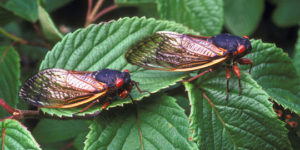
  • What are Seventeen-Year Cicadas and Why Does It Seem Like They Emerge More Than Once Every Seventeen Years?

    What are Seventeen-Year Cicadas and Why Does It Seem Like They Emerge More Than Once Every Seventeen Years?

    There are different broods of periodical cicadas.  Any given brood has adults emerging only once in 17 years and has a defined range of occurrence.  The brood we will see […]Read More »
  • The Manticore

    The Manticore

    The Manticore.  In ancient Persia, a scary, man-eating monster with the head of a man, the body of a lion, and the tail and sting of a scorpion. In nature, […]Read More »
  • University of Pittsburgh’s Consuming Nature

    University of Pittsburgh’s Consuming Nature

    Last month, the staff at Carnegie Museum of Natural History hosted students and faculty from the University of Pittsburgh’s Consuming Nature group. We gave them an exclusive, behind the scenes […]Read More »

sidebar

About

  • Mission & Commitments
  • Directors Team
  • Museum History

Get Involved

  • Volunteer
  • Membership
  • Carnegie Discoverers
  • Donate
  • Employment
  • Events

Bring a Group

  • Groups of 10 or More
  • Birthday Parties at the Museum
  • Field Trips

Powdermill

  • Powdermill Nature Reserve
  • Powdermill Field Trips
  • Powdermill Staff
  • Research at Powdermill

More Information

  • Image Permission Requests
  • Science Stories
  • Accessibility
  • Shopping Cart
  • Contact
  • Visitor Policies
One of the Four Carnegie Museums | © Carnegie Institute | Privacy Policy | Terms of Use | Accessibility
Rad works here logo