• Skip to primary navigation
  • Skip to main content
  • Skip to primary sidebar

Carnegie Museum of Natural History

One of the Four Carnegie Museums of Pittsburgh

  • Visit
    • Buy Tickets
    • Visitor Information
    • Exhibitions
    • Events
    • Dining at the Museum
    • Celebrate at the Museum
    • Powdermill Nature Reserve
    • Event Venue Rental
  • Learn
    • Field Trips
    • Educator Information
    • Programs at the Museum
    • Bring the Museum to You
    • Guided Programs FAQ
    • Programs Online
    • Climate and Rural Systems Partnership
  • Research
    • Scientific Sections
    • Science Stories
    • Science Videos
    • Senior Science & Research Staff
    • Museum Library
    • Science Seminars
    • Scientific Publications
    • Specimen and Artifact Identification
  • About
    • Mission & Commitments
    • Directors Team
    • Museum History
  • Tickets
  • Give
  • Shop

Anthropocene Section

June 9, 2020 by wpengine

Hip and “Trashy” Ice Cream

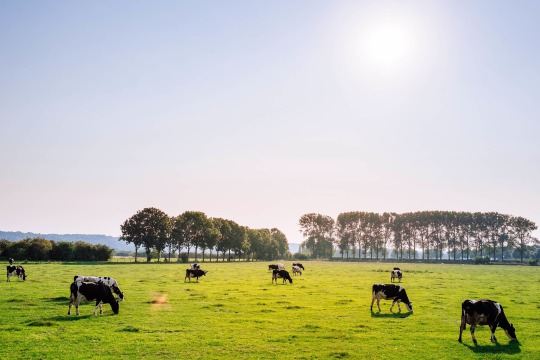
cows grazing in a field

I grew up in the country, on a gravel back road where the diary truck drove by to fill its tank at the local dairy farms. Those cows, I know now, were living the high life. Grazing idyllic in oak tree savanna fields, with miles of territory to wander. I knew the farmers’ kids. I even helped them with their chores, although not often because it wasn’t fun, even though they said it would be.

My assistance did result in my first taste of milk squirted straight from the udder! The term “Organic” was not used then, but now I know those were family owned organic farms in every sense of the term. No hormones. No cages. Hey, the farm kids even gave the cows names! At the time, my mom would buy name brand ice cream from the town’s market. My favorite was mint chocolate chip ice cream (the green kind). The flavor is super hip right now for being a “trashy” flavor. When I say hip and trashy, I mean in a weird nostalgic unhealthy food like tater tots and grilled cheese kind of way.  Some basic research reveals those cheap ice creams were, for their time, wholesome, waaaayyyy more wholesome than they are now.

Things have since changed in my hometown. Those family owned dairy farms are gone, replaced with mega dairy farms. And ice cream, especially my favorite trashy and hip flavor, has changed into what I consider to be really unhealthy in an environmentally unfriendly way. Palm oil. You might not know this, but palm oil is an ingredient in most frozen desserts and frozen dairy desserts (ice cream with a sub label). Palm oil is high in saturated fat and can affect cardiovascular health. The FDA does not require palm oil to be labeled, and instead the term vegetable oil is frequently substituted. Because most palm oil plantations are unsustainable, their spread across the landscape threatens rain forests, causes habitat loss for endangered species, violates human rights, and impacts climate change. Most name brand ice cream manufacturers currently use the stuff, but don’t want to be identified with its impacts. Carnegie Museum of Natural History’s Assistant Curator of Amphibians and Reptiles, and tropical conservation ecologist Jennifer Sheridan has some serious concerns about the palm oil industry and has witnessed firsthand its impacts on rainforest ecology. Check out her work here.

So how do I fix this? Or maybe, how do I get my chocolate mint chip ice cream fix?

First off, during the pandemic, I’ve been making homemade ice cream. I’ve been able to control the ingredients and add in special touches like fresh mint (growing out of control in my neighbor’s garden). Here’s a quick blender recipe I’ve used. When I need ice cream from the store for my movie binges, I choose companies that clearly label their ice cream to be palm oil free. Ben and Jerry’s does this very well. As the ice cream shops open up, I will go local.
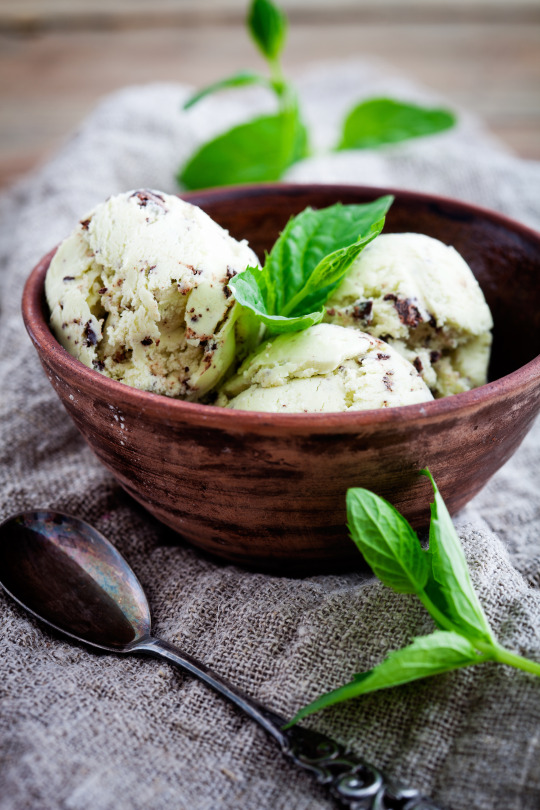
bowl of mint chocolate chip ice cream with mint leaves and spoon
Homemade mint chocolate chip ice cream.

All of these options may seem high priced or too much work. Surprisingly the homemade recipes are really easy to make, and pretty cheap considering the quality of ice cream produced. The great thing is you can enjoy the process, sit back and not feel guilty about using palm oil, the really unhealthy and not cool ingredient in ice cream. And for me, it takes me back, to when ice cream had ingredients I could point to.

Asia Ward is CMNH Anthropocene Program Manager and Science Communication Fellow. Museum staff, volunteers, and interns are encouraged to blog about their unique experiences and knowledge gained from working at the museum.
Filed Under: Blog Tagged With: Anthropocene, Anthropocene Living Room, Anthropocene Section, Asia Ward, Museum from Home, Science News

May 19, 2020 by wpengine

Finding Resilience Through Plant Love

Feeling a little extra thankful for spring blooms? Taking extra care of your house plants? Urge to garden a little stronger than usual? People in Pittsburgh and across the US are turning to plants to find solace and a connection to nature this spring of COVID-19. Of course, people have always been drawn to plants, but this spring is different. If you’re not able to garden or are looking for some plant-y inspiration, look no further than PlantLoveStories.com. This is a project started in 2018 by a group of young women conservation scientists–including Dr. Sara Kuebbing, a professor at Pitt and collaborator with CMNH’s Mason Heberling, and me, a science communication fellow in the CMNH Anthropocene Section. At the site you’ll find first-hand stories about how plants have shaped people’s lives along with a sincere invitation for you to share a plant-based story of your own.

logo for Plant Love Stories
The Plant Love Stories logo designed by the author.

In the museum’s Anthropocene Section we believe that storytelling, emotions, and personal connections are keys to connecting with the public, communicating science, and empowering people to act. Plant Love Stories is a great example of these principles. Plant Love Stories was founded on the idea that plants tend to blend into the background and the public pays less attention to them than animals. We thought the public sharing of personal plant connections might lead, down the road, to greater awareness and funding for plant conservation.

The Plant Love Stories website is a blog, a collection of stories submitted by the public about the role of plants in shaping our lives, relationships, and, in a recent post involving swamp milkweed, resilience during the pandemic.

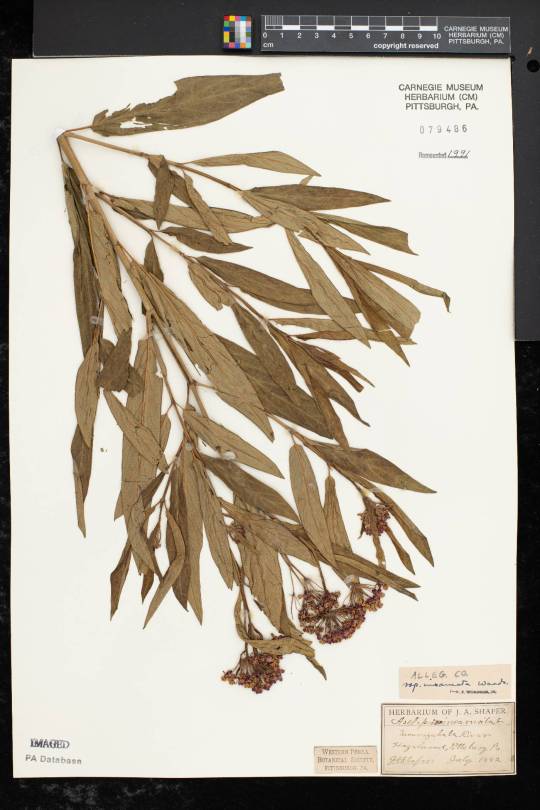
Plant Love Stories in the CMNH Herbarium: A swamp milkweed (Asclepias incarnata) specimen from the CMNH Herbarium collected in Allegheny County in 1882.

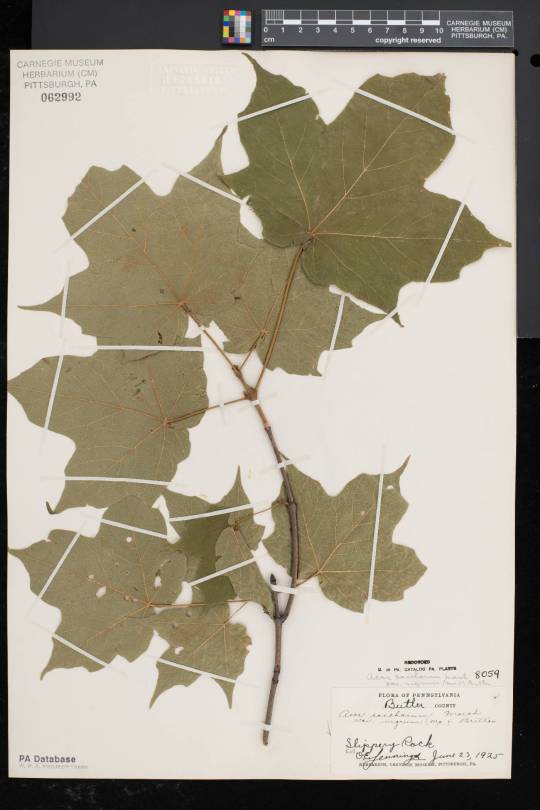
A number of Plant Love Stories have western PA roots (pun intended). We have a few stories written by Dr. Kuebbing’s Pitt students, including “Learning to Look Up” by Swapna Subramanian and “Fidel and the Hopeless, No-Good, Super Sad Raspberry Bush” by Fidel Anderson. I have posted two Plant Love Stories linked to Indiana County, where I grew up: one I wrote about how I did not break my brother’s arm (really, it wasn’t my fault), and one my aunt wrote about her grandmother, my great-grandmother, teaching her how to cook pokeweed. We also have a human love story from Butler County featuring flowering maple trees.

Plant Love Stories at the CMNH Herbarium: A sugar maple (Acer saccharum) specimen from the CMNH Herbarium collected in Butler County in 1925.

Whether you’re planting your biggest ever vegetable garden, tending a single tomato plant, or reading accounts posted on Plant Love Stories, try some plant love to help you get through this difficult time.

Bonnie McGill is a science communication fellow in the CMNH Anthropocene Section. Museum staff, volunteers, and interns are encouraged to blog about their unique experiences and knowledge gained from working at the museum.
Filed Under: Blog Tagged With: Anthropocene, Anthropocene Living Room, Anthropocene Section, Bonnie McGill, botany hall

  • « Go to Previous Page
  • Page 1
  • Page 2

sidebar

About

  • Mission & Commitments
  • Directors Team
  • Museum History

Get Involved

  • Volunteer
  • Membership
  • Carnegie Discoverers
  • Donate
  • Employment
  • Events

Bring a Group

  • Groups of 10 or More
  • Birthday Parties at the Museum
  • Field Trips

Powdermill

  • Powdermill Nature Reserve
  • Powdermill Field Trips
  • Powdermill Staff
  • Research at Powdermill

More Information

  • Image Permission Requests
  • Science Stories
  • Accessibility
  • Shopping Cart
  • Contact
  • Visitor Policies
One of the Four Carnegie Museums | © Carnegie Institute | Privacy Policy | Terms of Use | Accessibility
Rad works here logo
