• Skip to primary navigation
  • Skip to main content
  • Skip to primary sidebar

Carnegie Museum of Natural History

One of the Four Carnegie Museums of Pittsburgh

  • Visit
    • Buy Tickets
    • Visitor Information
    • Exhibitions
    • Events
    • Dining at the Museum
    • Celebrate at the Museum
    • Powdermill Nature Reserve
    • Event Venue Rental
  • Learn
    • Field Trips
    • Educator Information
    • Programs at the Museum
    • Bring the Museum to You
    • Guided Programs FAQ
    • Programs Online
    • Climate and Rural Systems Partnership
  • Research
    • Scientific Sections
    • Science Stories
    • Science Videos
    • Senior Science & Research Staff
    • Museum Library
    • Science Seminars
    • Scientific Publications
    • Specimen and Artifact Identification
  • About
    • Mission & Commitments
    • Directors Team
    • Museum History
  • Tickets
  • Give
  • Shop

Carla Rosenfeld

September 22, 2022 by Erin Southerland

How to Hunt for Microbes

by Carla Rosenfeld

The definition of microorganism is any organism that is too small to be seen by the naked eye. They can be single-celled, like bacteria and archaea, or multi-celled, like fungi. Though they are extremely tiny as individuals, these organisms have major impacts on every one of our lives and the environment as a whole. For example, if you’ve ever eaten bread, yogurt, pickles, sauerkraut, or cheese, you have various microbes to thank for the distinctive form or flavor of those foods. But have you ever wondered how we study these tiny organisms out in the field? If they are so small, how do we find them? And once we find them, how do we collect them? 

In my research, I try to understand the role microbes play in cycling various elements through the environment. Recently, I’ve been working on a project with a team of people from University of Minnesota School of Earth and Environmental Sciences and Argonne National Lab, to try to understand how microbes influence wetland sediment geochemistry. To do this, a group of us have been trekking around to different riparian wetlands from northern Minnesota to South Carolina. 
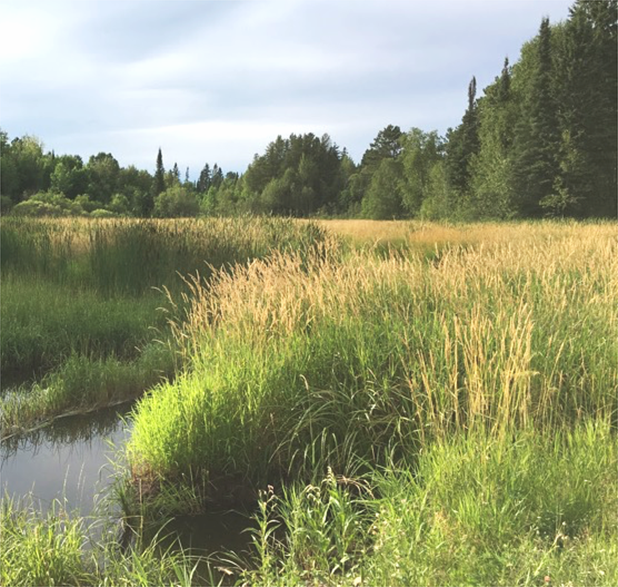
Riparian wetland in northern MN in our current studies.

To get our essential equipment to our field sites, we first pack everything we’ll need into giant coolers, and then seal the sturdy containers. If we’re flying to a distant site, we can ship the coolers to a location near our work site. If we’re driving, we just pack the coolers in a van to haul with us. The coolers are packed to the brim with our field equipment, clothing, gear (including waders and snake-proof boots), and lots of sunscreen and snacks. For work at some sites, we also take a canoe!

The packed coolers do double duty on our trips, because once we have emptied all our equipment out of them, we can fill them with ice to store the samples collected each day. Upon arrival at the field site, we set up a mobile lab on top of a folding table so that we can process our samples and do any time sensitive analyses. One key component of our mobile lab is a portable glove box, which is essentially a big plastic tent that we fill with nitrogen (yep, you guessed it… we also bring a tank filled with nitrogen gas!). We process our samples inside this tent so that we can cut, scrape, and separate our samples in the absence of oxygen. The controlled atmosphere within the tent is essential because the samples we collect come from underneath the water line, where little to no oxygen is present. Microbes that live below the water line have evolved different metabolic processes that don’t rely on oxygen. So, while we animals are all stuck breathing oxygen, many microbes can use different inorganic molecules like sulfate or nitrate in their respiration. The minerals that form and persist below the water line are also extremely sensitive and may start changing if we expose them to oxygen. 
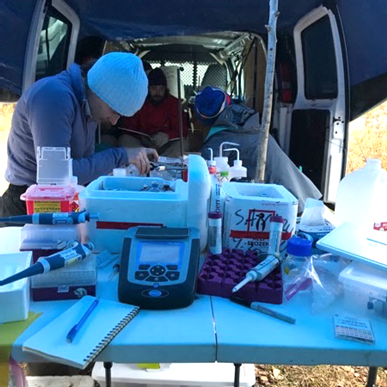
Mobile lab setup for time-sensitive analyses and sediment core processing.

To collect our samples, we use a coring device…which is a fancy term for something that shoves sturdy 7 cm diameter plastic tubes down into the sediment. The tubes are approximately 60 cm-long sections of clear PVC pipe, and we push them as far down as we can. Then we pull up a sediment-filled core that ranges in length from 30-50 cm (that’s about the length of 2-6 bananas placed end to end). Once the core is removed, the clock is ticking for us to separate all our samples out and do our analyses as quickly as possible.

To buy some extra processing time, the first thing we do is dunk our entire sediment-filled PVC tube into a container of liquid nitrogen. The temperature of liquid nitrogen is -90 ˚C… which is cold enough to immediately freeze our samples on contact! We freeze our samples because it slows down or stops essentially all chemical and biological activity and preserves important molecules like DNA (deoxyribonucleic acid) and RNA (ribonucleic acid) that, once collected, can give us clues into what microbes are present in our system. Once our cores are frozen, we transfer them into our oxygen free tent, and remove the full core and separate sections of it based upon depth below the water line, sediment type, or other distinguishing features. We collect some samples to send off to labs for DNA or RNA sequencing. Other samples are collected to bring back to our labs to determine what minerals are present, and for further analysis of other chemical components present in sediment cores.

We also collect some cores that we don’t freeze so that we can collect the porewater, the liquid filling all the spaces between sediment grains, and living microbes. The chemistry of the porewater is highly related to sediment microbial activity and geochemistry of the solid sediments. To collect the waters, we stick porous tubes into the sediment cores, and connect those tubes to vials that have a vacuum inside of them, the same mechanical process used when you have your blood drawn at the doctor’s office. To collect living microbes, we take small scoops of sediment and store them in a refrigerator until we get back to the lab and can use the sediment to inoculate microbial growth media. That’s how we eventually add to our microbial culture library, a collection of living microbes with various living strategies and traits that we keep at the museum for research and to lend out to other researchers all over the world. 
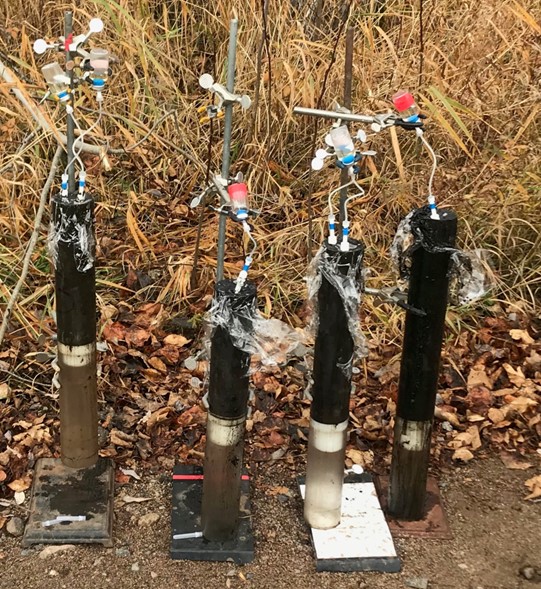
Collecting sediment porewaters from cores collected from two different locations within the riparian wetland.

For a comprehensive understanding of how minerals and microbes vary within the riparian wetland, we repeat procedures of collecting and processing core samples throughout the wetland and at intervals along predetermined lines known as transects, that cross streams and intersect important hydrologic features of the ecosystem. Often, we’ll return to field sites many times over the course of a year or multiple years, so we can better investigate how the microbial activity and geochemical processes change over time with the seasons, as a result of major storm events, or with other environmental factors.   

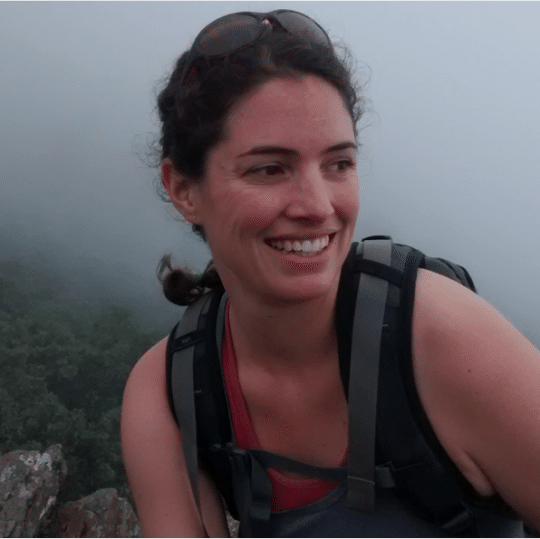
Carla Rosenfeld is Assistant Curator of Earth Sciences at Carnegie Museum of Natural History.

Related Content

Fungi Make Minerals and Clean Polluted Water Along the Way

What Do Minerals and Drinking Water Have To Do With Each Other?

Wulfenite and Mimetite: CMNH’s Crystal Banquet

Carnegie Museum of Natural History Blog Citation Information

Blog author: Rosenfeld, Carla
Publication date: September 22, 2022
Share this post!

  • Share on Twitter Share on Twitter
  • Share on Facebook Share on Facebook
  • Share on Pinterest Share on Pinterest
  • Share on LinkedIn Share on LinkedIn
  • Share on Reddit Share on Reddit
  • Share via Email Share via Email

Filed Under: Blog Tagged With: Carla Rosenfeld, Hillman Hall of Minerals and Gems, minerals, Science News

March 9, 2021 by wpengine

Section of Minerals and Earth Sciences Celebrates Being Lucky!

The etymology, or origin, of the word ‘luck’ is centuries old and has strong roots in minerals and mining. Although the exact origin is unknown, the verb “lukken,” meaning to “happen by chance” or “happen fortunately,” first appeared in Old English literature sometime in the mid 15th century and is thought to be associated with gambling. According to several sources, this meaning was likely borrowed from earlier Middle Dutch (“gheluc”) or Germanic (“gelücke”) speakers, who applied these words to good fortune and happiness associated with it.

Not long afterwards, beginning around the late 16th century, the traditional German miner’s greeting, “Glück auf!”, which translates to “luck to!” or “luck on!” became popular among many European miners. It describes a hope for good fortune to find ore that will bring riches, and was likely also directed to having luck in safety on their shift underground, since underground mining during that time was extremely dangerous.

The traditional German miner’s greeting, Glück auf.


The more modern term “luck of the Irish” also has likely origins in mining, since Irish immigrants and Irish American miners were considered to be some the most successful and famous prospectors during the gold and silver rush in the Western U.S. in the mid 1800s.

Miners sometimes encountered “unlucky” minerals underground that, at the time, were worthless and not considered pay dirt. Around the 1600s, silver miners in the Bohemia region of Czech Republic and Germany often encountered a dark and dense mineral that they referred to as “pechblende,” or bad-luck ore. This pechblende was actually the mineral uraninite, a major ore of the radioactive element uranium that would later become a hotly contested resource of developing nuclear nations.

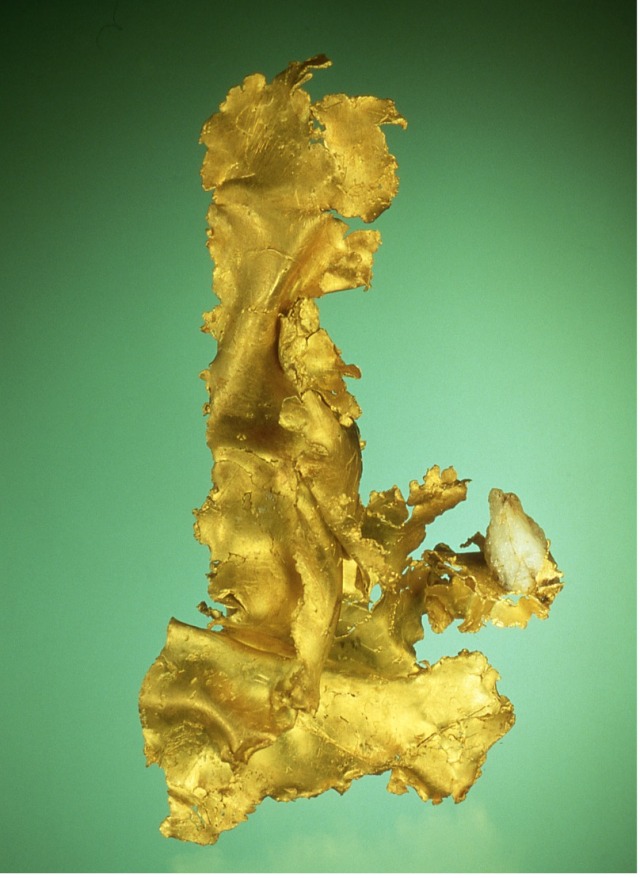
Nowadays, good luck is linked to many minerals, including gold, mythical pots of which receive attention around St. Patrick’s Day. Gold is considered lucky because of its association with wealth and fortune, but did you know that the reason gold is used for money is linked to its mineralogy? Consider gold’s properties as a mineral: it’s very stable (doesn’t spontaneously burst into flames or corrode), melts at a relatively low temperature, and is easily malleable (hammered or pressed). Gold was an ideal candidate to be used as money for early civilizations. Matching all those requirements, plus being the right balance of rare, but not too rare, means that out of over 100 elements in the periodic table, gold hits the sweet spot for monetary value.

A 2.5 ounce leaf gold standing 12.5 cm tall from Tuolumne County, California, on display in the Masterpiece Gallery of Hillman Hall of Minerals and Gems. Photo: Harold and Erica Van Pelt.

Carla Rosenfeld is the Assistant Curator of Earth Sciences, Travis Olds is Assistant Curator of Minerals, and Debra Wilson is Collection Manager of Minerals at Carnegie Museum of Natural History. Museum employees are encouraged to blog about their unique experiences and knowledge gained from working at the museum.

Related Content

Ask a Scientist: Why do some minerals glow?

What’s a Shamrock?

The Connemara Marble: A Cross-Atlantic Connection Between Ireland and Pittsburgh

Share this post!

  • Share on Twitter Share on Twitter
  • Share on Facebook Share on Facebook
  • Share on Pinterest Share on Pinterest
  • Share on LinkedIn Share on LinkedIn
  • Share on Reddit Share on Reddit
  • Share via Email Share via Email

Carnegie Museum of Natural History Blog Citation Information

Blog author: Rosenfield, Carla; Olds, Travis; and Wilson, Debra
Publication date: March 9, 2021

Share this post!

  • Share on Twitter Share on Twitter
  • Share on Facebook Share on Facebook
  • Share on Pinterest Share on Pinterest
  • Share on LinkedIn Share on LinkedIn
  • Share on Reddit Share on Reddit
  • Share via Email Share via Email

Filed Under: Blog Tagged With: Carla Rosenfeld, Debra Wilson, minerals, Science News, Travis Olds

June 17, 2020 by wpengine

Meet our two new curators!

Dr. Travis Olds

photo of new curator of minerals Travis Olds

Hello! My name is Travis Olds. I’m Assistant Curator of Minerals in the Section of Minerals and Earth Sciences at Carnegie Museum of Natural History. I’m from the Upper Peninsula of Michigan, the northern part of the state that is sometimes confused as being a part of Canada, but also considered by many as one of the most beautiful places on Earth. People born in the U.P., as we call it, are known colloquially as “Yoopers,” and like Canadians we are some of the kindest people you will meet. Many Yoopers have an accent that is best described as a mix between Canadian and Minnesotan; we tend to elongate and over-emphasize vowels in spoken words, with favorites being “ya, eh, you betcha, and don’tchya know.” Our favorite dish is the pasty (“pastee”), a baked meat and vegetable-filled pastry that was introduced early in our state’s history by Cornish miners who traveled to the area to make a living and share their knowledge of mining techniques developed overseas.

Hundreds of mines have operated in the U.P. over the last ~200 years, yielding billions of tons of iron and manganese used for the steel produced here in Pittsburgh, and millions of tons of copper used across the world for plumbing, electrical lines, and electronics. Although many mines in the U.P. have long been abandoned, a few iron and copper mines are still in operation today. For several generations my family has made a living working in the mines, including my father and uncle, who were large influencers to my interest in minerals.

As I started collecting and learning more about minerals I became fascinated by radioactive minerals, the ones containing uranium and thorium. Uranium minerals come in many beautiful shapes and colors. They sometimes fluoresce neon green and yellow colors under UV light, and emit invisible high-energy particles during their decay. Although we owe our basic understanding of X-rays and many modern medical technologies and treatments to early studies of radioactive minerals, uranium remains one of the most controversial elements on the periodic table. It has been used to create exceptionally valuable technology but has also created unimaginable evil and pain. In the future, I believe nuclear power will likely become one of the dominant methods for producing “base-load” power to replace the antiquated and highly pollutive coal and natural-gas burning energy plants. I study the atomic arrangement and properties of uranium minerals because they are good analogs for advancing several aspects of nuclear power generation, from mining to processing and storage of used fuel and waste. My mineral collecting trips have taken me to unique places underground in Colorado, Utah, and the Czech Republic, and thanks to the group of friends and researchers that I work with, I have been lucky to find and describe 20 new minerals. At the museum, I research minerals to improve technology and better understand how humans are changing the minerals found on the Earth’s surface.

Photos of our new minerals can be found on my Mindat.org page.

Dr. Carla Rosenfeld

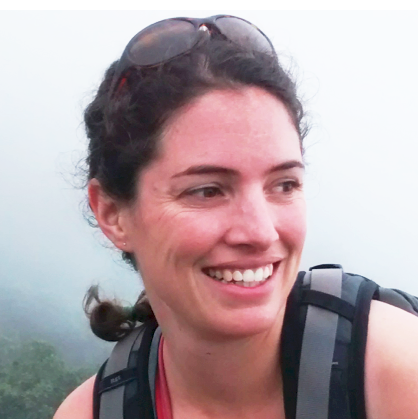
photo of new curator of earth sciences Carla Rosenfeld

Hello! I’m Carla Rosenfeld, the new Assistant Curator of Earth Sciences in the Section of Minerals and Earth Sciences at Carnegie Museum of Natural History. I received my Ph.D. in Soil Science and Biogeochemistry from Penn State and a B.S in Chemistry from McGill University. Following my Ph.D., I worked as a postdoctoral fellow at the Smithsonian National Museum of Natural History and University of Minnesota. After several years away, I am so excited to be returning to Pennsylvania to continue my research!

As a researcher, I am an interdisciplinary environmental biogeochemist. I use tools from mineralogy, geochemistry, and microbiology to study how pollutants and nutrients behave in the environment. I am fascinated by how biology, geology, and chemistry interact – for example when plant roots scavenge nutrients from soils by dissolving minerals, or when organisms form biominerals (think teeth, shells, and corals). Understanding how living and non-living things interact in different environments helps us to understand and predict how nature will respond to changing climate and other human impacts. Because I’m interested in how microbes make and alter minerals in soils, I’ve visited all sorts of places to collect soils, plants, water, and microbes (mostly bacteria and fungi). I’ve been down to the bottom of the deepest and oldest underground iron mine in Minnesota (Sudan Mine, ~ 1 mile below the ground surface!), to hot springs and the world’s only captive geyser in Idaho, and, right here in Southwest PA, to acid mine drainage remediation systems! Outside of science, I love to spend time outdoors biking (I even biked across the US from CT to CA one summer), mushroom hunting (my favorite mushrooms to find are golden chanterelles, Cantharellus cibarius or Cantharellus lateritius), and generally spending time outdoors. I also love to bake (including science cakes!), and I’ve kept a spreadsheet detailing everything I’ve baked for the last 5 years!

Related Content

Fungi Make Minerals and Clean Polluted Water Along the Way!

What do Minerals and Drinking Water Have to do with Each Other?

The Mineralogy of Ice Cream

Filed Under: Blog Tagged With: Carla Rosenfeld, gems and minerals, Hillman Hall of Minerals and Gems, Museum from Home, Science News, Section of Minerals, Travis Olds, Wertz Gallery

June 11, 2020 by wpengine

Fungi make minerals and clean polluted water along the way!

Fungi are all around in the environment. For example, the mold that invades wet basements, the mushrooms that we cook with, and the yeast that people use to make bread, wine, and beer are all members of the fungal kingdom. Fungi are also essential parts of natural ecosystems, breaking down complex carbon compounds like dead leaves or bark and returning nutrients to the soil. In addition to all this, many fungi are also extremely tolerant of polluted environments and can transform pollutants from highly toxic dissolved forms to less or non-toxic solid forms.

photo of biominerals being formed by fungus
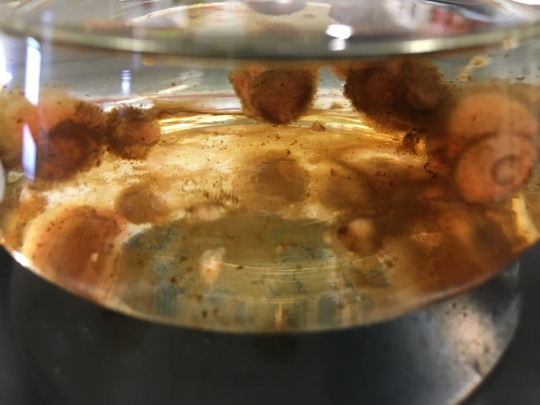
Biominerals being formed in a flask by fungus, Paraconiothyrium sporulosum (pink color is Se(0) biominerals and brown color is Mn oxides).

Between 2016 and 2018, as a postdoctoral fellow at the University of Minnesota, I led a small research team in an investigation of how common soil fungi responded to two environmental pollutants, manganese (Mn) and selenium (Se). Our study, published in the journal Environmental Science & Technology, was entitled, A fungal-mediated cryptic selenium cycle mediated by manganese biominerals. For our study we used two different species of fungi from the lab’s culture collection, a resource that contains microbes isolated from natural and polluted environments all over the US. Both elements investigated are micronutrients and important in small amounts, but can be harmful at high concentrations, such as in coal mine drainage where they are highly abundant.

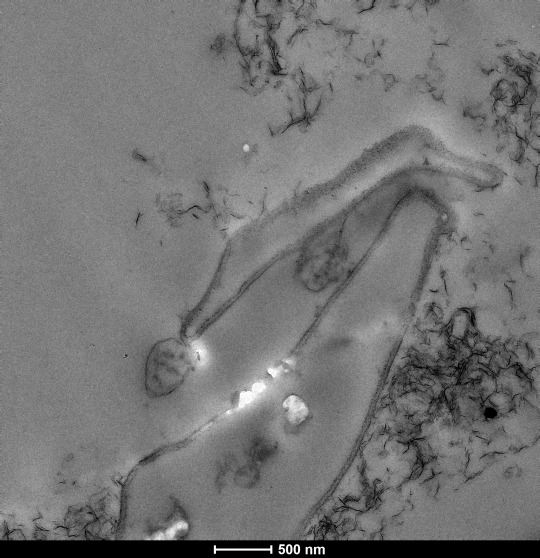
Two fungal cells surrounded by Mn oxides (thin black rods) and elemental Se (black circle) biominerals imaged using a transmission electron microscope.

We knew that under certain circumstances the fungi make biominerals, a subset of solid minerals formed through biological activity. So, we designed an experiment to track the fate of the pollutants during fungal growth. What we observed was that the fungi did, in fact, turn dissolved forms of our targeted elements into solid biominerals. Using a variety of geochemical techniques including a high-powered electron microscope, we identified manganese oxide and elemental selenium biominerals formed side-by-side, indicating that they can coexist in natural environments. The Mn oxides also seemed to recycle some of the Se back to dissolved forms, which is exciting because this transformation indicates there is a cryptic, or ‘hidden’ part of the natural Se cycle that was previously unknown. We are now working on follow-up engineering experiments using these same fungi to see if they can effectively remediate different types of contaminated wastewaters. We’re hopeful that these fungi can offer low-cost, low-input alternative remediation solutions for a wide variety of environmental clean-up applications. In the meantime, we’re also studying other biominerals that our fungi make and collecting new biomineral-forming fungi.

Carla Rosenfeld is the new Assistant Curator of Earth Sciences at Carnegie Museum of Natural History. Museum employees are encouraged to blog about their unique experiences and knowledge gained from working at the museum.

Article citation:

Rosenfeld, C.E, Sabuda, M.C., Hinkle, M.A.G., James, B.R., Santelli, C.M. A fungal mediated cryptic selenium cycle linked with manganese biominerals. Environmental Science and Technology 54(6): 3570-3580 doi:10.1021/acs.est.9b06022

Filed Under: Blog Tagged With: Anthropocene Living Room, Carla Rosenfeld, Earth Sciences, gems and minerals, Hillman Hall, Hillman Hall of Minerals and Gems, Museum from Home, Science News, Section of Minerals

April 29, 2020 by wpengine

A Rare New Species for Natural History: Earth System Scientists

Part of Anthropocene science is earth system science, the study of anthropogenic change of whole earth systems–the water systems, geological systems, ecosystems, and atmosphere–and their feedbacks with each other and human society. Historically earth system scientists have been a rare species at natural history museums, because they do not collect organismal specimens or valuable rocks. Instead they collect samples of air, water, microorganisms, and soil. But CMNH recognizes these scientists are key to understanding the Anthropocene and translating it to the public.

image

Two earth scientists have recently joined CMNH. Dr. Carla Rosenfeld will be the museum’s first curator of Earth Sciences. Rosenfeld’s work focuses on the microbial ecology of earth systems: how they naturally mediate the vast majority of water and soil chemistry and can be used to remediate pollution. For example, she is testing the potential for fungi to remove toxins from acid mine drainage. 

image

Dr. Bonnie McGill is a science communication fellow with the Climate and Rural Systems Project (CRSP) in the Anthropocene Science Section. With CRSP she is working with rural communities to explore local climate change impacts, identify the social and ecological systems involved, and design community-level actions. Much of her previous work was in the Midwest studying how soil and water conservation in corn and soybean production impacted greenhouse gas emissions and nitrate pollution of rivers.

Bonnie McGill is a Science Communication Fellow at the Carnegie Museum of Natural History. Museum employees are encouraged to blog about their unique experiences working at the museum.

Filed Under: Blog Tagged With: Anthropocene, Bonnie McGill, Carla Rosenfeld, gems and minerals, Museum from Home, Science News

sidebar

About

  • Mission & Commitments
  • Directors Team
  • Museum History

Get Involved

  • Volunteer
  • Membership
  • Carnegie Discoverers
  • Donate
  • Employment
  • Events

Bring a Group

  • Groups of 10 or More
  • Birthday Parties at the Museum
  • Field Trips

Powdermill

  • Powdermill Nature Reserve
  • Powdermill Field Trips
  • Powdermill Staff
  • Research at Powdermill

More Information

  • Image Permission Requests
  • Science Stories
  • Accessibility
  • Shopping Cart
  • Contact
  • Visitor Policies
One of the Four Carnegie Museums | © Carnegie Institute | Privacy Policy | Terms of Use | Accessibility
Rad works here logo