by Annie Lindsay
Since 1974, intrepid birders in southwestern Pennsylvania have been gathering to count birds during the Rector Christmas Bird Count (CBC). The Rector count is part of a much larger, 126-year-and-counting initiative hosted by the National Audubon Society to count birds in a specified 15-mile diameter count circle on a single day between December 14 and January 5 each year. Count circles are scattered throughout the western hemisphere and even on some Pacific Islands!
Christmas Bird Counters can look for birds for the 24-hour period from 12:00am to 11:59pm, although most opt for counting during daylight hours. At exactly midnight, Grace, always ready for a good birding opportunity, went outside and listened for owls, and was joined several hours later by a handful of other owlers who searched in other sectors of the circle. As the sun rose on a bluebird sky morning with a dusting of snow, one of our youngest participants, Drake, arrived bundled up against the cold with bright eyes, a big smile, and his binoculars all ready to get started. One of the great things about the CBC is that anyone can participate regardless of age or birding skill level. This year, we had a few counters under the age of 10 and representatives from almost every decade!

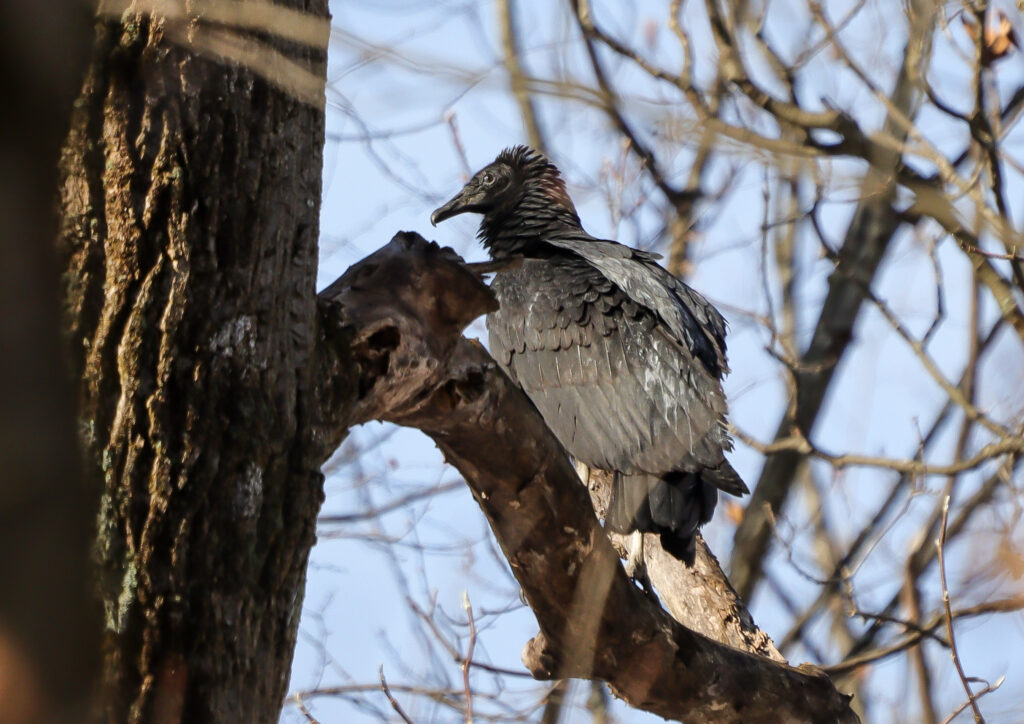
As the day progressed, one group spotted two Bald Eagles taking off from a mature tree near a mostly frozen pond, another group had a whirlwind of Dark-eyed Juncos on their property, and the count’s usual kettle of Turkey and Black Vultures made an appearance. The woodpecker count was impressive with all seven possible species spotted this year.
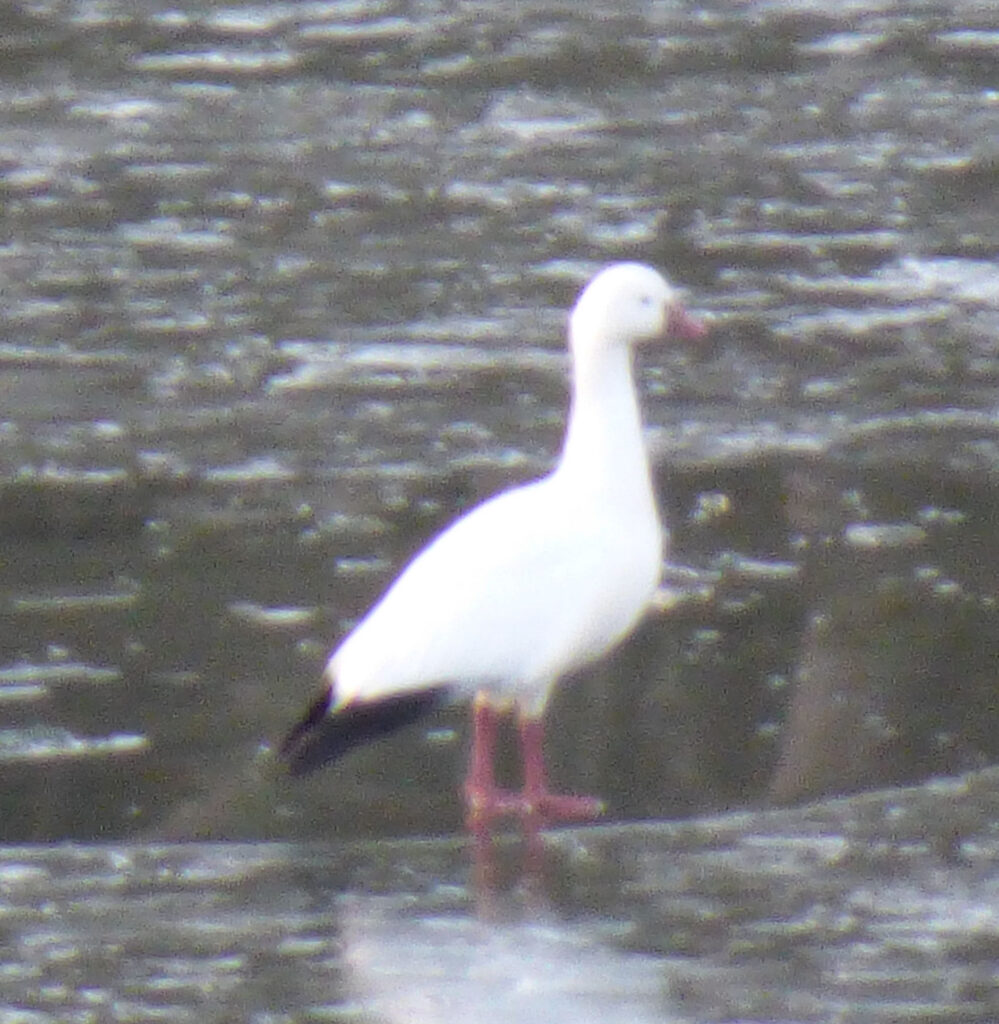
At the end of the day, the tally dinner was bustling with birders catching up with friends and welcoming new counters. As everyone settled in with their dinner, the tallying began – working through the species list taxonomically, each group sounded off with their count for each species. Waterfowl are first and the general expectation was that the numbers for this group of birds would be somewhat low due to the recent below freezing temperatures that iced over most bodies of water. We started with Snow Goose, an uncommon species in the Rector count: none were spotted this year, no surprises there. Then we moved on to Canada Goose, an expected species despite frozen water, a voice said, “wait, we had a Ross’s Goose.” Ross’s Geese look like smaller, cuter versions of Snow Geese, and had never been spotted during a Rector CBC before. Sue, Mark, and Keith for the win!
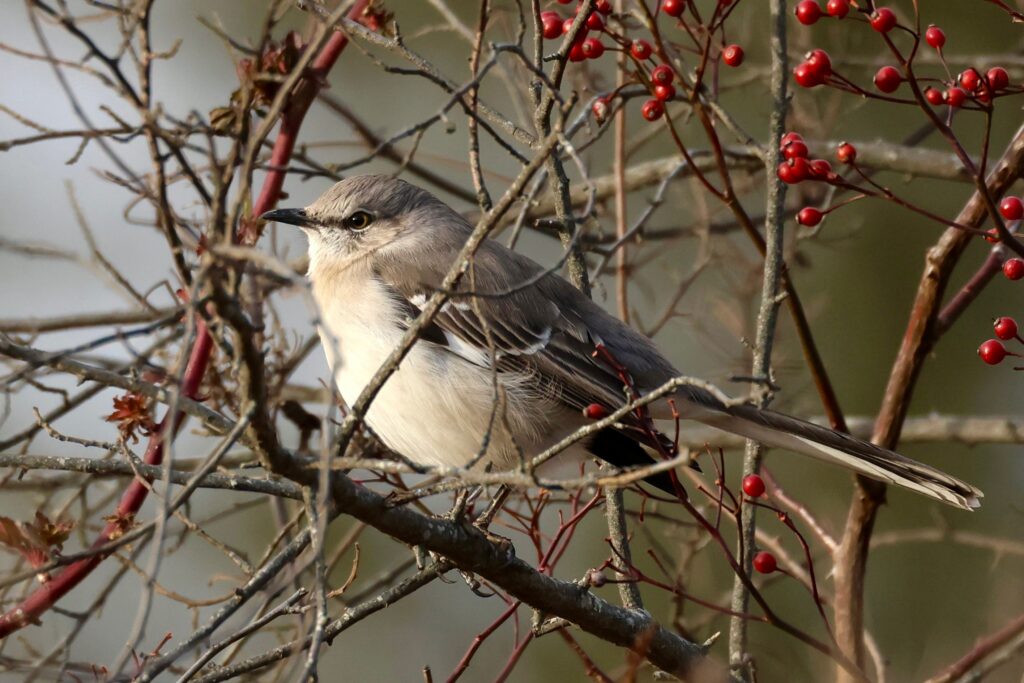
Three species were recorded in record high numbers: Red-shouldered Hawk, Red-headed Woodpecker, and Red-bellied Woodpecker. These species seem to be increasing in numbers in southwestern Pennsylvania, a northward range expansion trend that we’re seeing in other species that historically had ranges a bit to the south of Pennsylvania. Other notable species from this year’s count that are rarely encountered in the winter include a Ruby-crowned Kinglet and a Gray Catbird. Owls are not always guaranteed on a CBC, but with some pre-dawn effort, three species were encountered this year: Eastern Screech-Owl, Barred Owl, and Great Horned Owl. All three species are year-round residents locally, but hearing them in the dark and cold can be tricky.
The day’s perfect weather and the excellent turnout of counters was mirrored by the lively atmosphere at the tally dinner that clearly showed how exciting and productive the day was. In total, there were 45 counters who tallied 4,375 individuals of 64 species. Thank you to all participants for their commitment to the birds. I look forward to seeing you all again at next year’s count!
For more information about the Christmas Bird Count and to see how the data are used, please visit: https://www.audubon.org/conservation/science/christmas-bird-count
Total 2025 Tally
Ross’s Goose – 1
Canada Goose – 493
American Black Duck – 8
Mallard – 38
Hooded Merganser – 3
Ring-necked Pheasant – 18
Wild Turkey – 24
Great Blue Heron – 2
Black Vulture – 37
Turkey Vulture – 49
Sharp-shinned Hawk – 2
Cooper’s Hawk – 7
Bald Eagle – 3
Red-shouldered Hawk – 11 *
Red-tailed Hawk – 58
Ring-billed Gull – 2
Rock Pigeon – 70
Mourning Dove – 121
Eastern Screech-Owl – 7
Great Horned Owl – 1
Barred Owl – 1
Belted Kingfisher – 1
Red-headed Woodpecker – 9 *
Red-bellied Woodpecker – 113 *
Yellow-bellied Sapsucker – 11
Downy Woodpecker – 77
Hairy Woodpecker – 25
Northern Flicker – 31
Pileated Woodpecker – 29
American Kestrel – 2
Blue Jay – 312
American Crow – 306
Common Raven – 18
Carolina Chickadee – 4
Black-capped Chickadee – 203
Tufted Titmouse – 133
Red-breasted Nuthatch – 4
White-breasted Nuthatch – 167
Brown Creeper – 11
Winter Wren – 2
Carolina Wren – 24
Golden-crowned Kinglet – 35
Ruby-crowned Kinglet – 1
Eastern Bluebird – 133
Hermit Thrush – 2
American Robin – 11
Gray Catbird – 1
Northern Mockingbird – 16
European Starling – 610
Cedar Waxwing – 10
Yellow-rumped Warbler – 7
American Tree Sparrow – 22
Field Sparrow – 4
Dark-eyed Junco – 401
White-throated Sparrow – 82
Song Sparrow – 92
Swamp Sparrow – 10
Eastern Towhee – 3
Northern Cardinal – 173
Brown-headed Cowbird – 3
House Finch – 59
Purple Finch – 2
American Goldfinch – 113
House Sparrow – 141
Total Individuals: 4,375
Total Species: 64
Annie Lindsay is Bird Banding Program Manager at Powdermill Nature Reserve.
Related Content
The Christmas Bird Count During an Irruption Year
