• Skip to primary navigation
  • Skip to main content
  • Skip to primary sidebar

Carnegie Museum of Natural History

One of the Four Carnegie Museums of Pittsburgh

  • Visit
    • Buy Tickets
    • Visitor Information
    • Exhibitions
    • Events
    • Dining at the Museum
    • Celebrate at the Museum
    • Powdermill Nature Reserve
    • Event Venue Rental
  • Learn
    • Field Trips
    • Educator Information
    • Programs at the Museum
    • Bring the Museum to You
    • Guided Programs FAQ
    • Programs Online
    • Climate and Rural Systems Partnership
  • Research
    • Scientific Sections
    • Science Stories
    • Science Videos
    • Senior Science & Research Staff
    • Museum Library
    • Science Seminars
    • Scientific Publications
    • Specimen and Artifact Identification
  • About
    • Mission & Commitments
    • Directors Team
    • Museum History
  • Tickets
  • Give
  • Shop

Armored Advantage

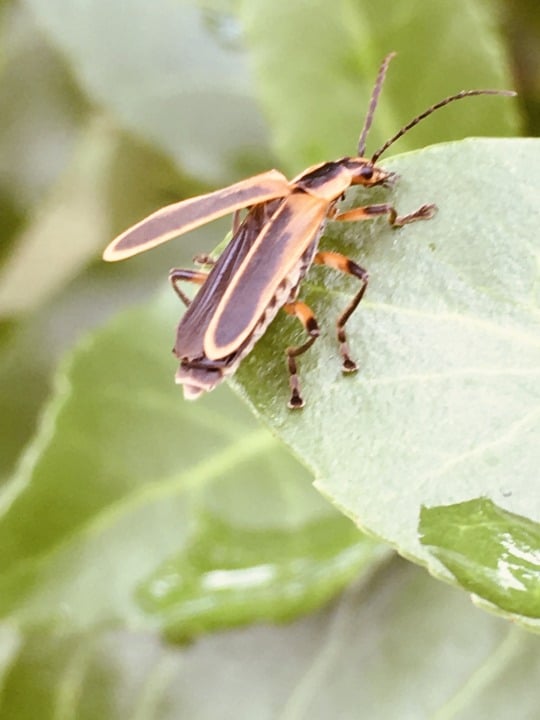
A folded hindwing of this lightning bug is visible beneath a raised forewing.

As adaptations go, the hardened forewings of beetles have a long track record of success. The paired structures, known as elytra (or singularly as elytron), don’t contribute significant aerodynamic advantage to beetle flight. Because they protect the delicate hindwings under all other circumstances, however, elytra help to ensure the capability of flight whenever it’s necessary.

Evidence for the survival advantages conveyed by the wing covers is impressive. The order Coleoptera, the scientific category of beetles, contains more than 380,000 named and described species, a figure that represents nearly a quarter of currently known animal species.

In Dinosaur Armor, the world premiere exhibition occupying the R. P. Simmons Family Gallery for the next 10 months, a colorful array of preserved beetles illustrates the insects’ built-in shield adaptation.
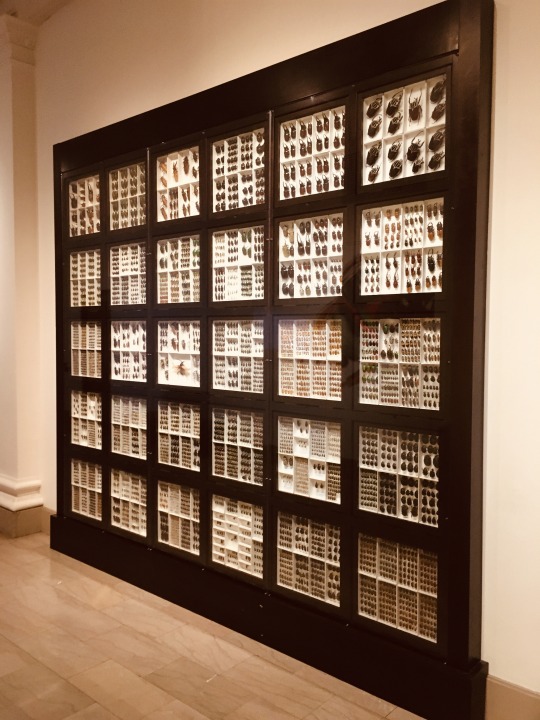
wall of beetle specimens

Visitors interested in elytra can visually study a far larger and more diverse beetle display just outside the Dinosaur Armor exit. Here hundreds of curated specimens from the scientific collection have been arranged in a wall-sized display.
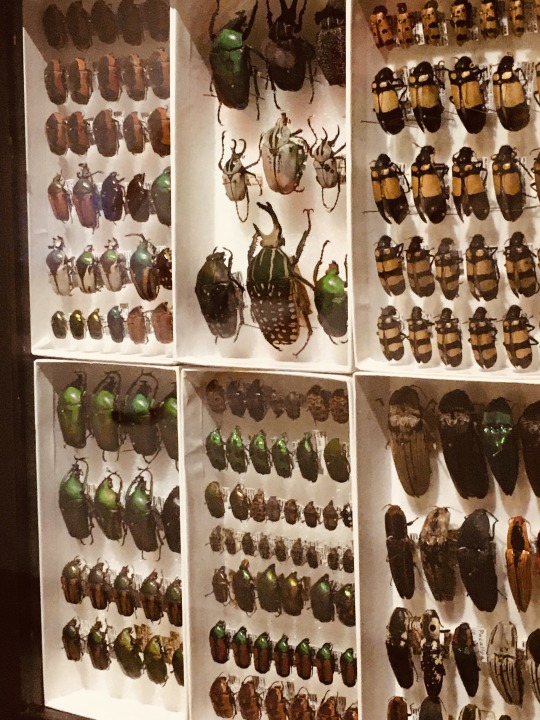
detail of beetle specimens on display

Collectively and individually, this mass of pinned beetles serves to reinforce an unstated theme of Dinosaur Armor: functional exterior armor does not necessarily preclude natural beauty.

Patrick McShea works in the Education and Visitor Experience department of Carnegie Museum of Natural History. Museum employees are encouraged to blog about their unique experiences and knowledge gained from working at the museum.

Related Content

Dinosaur Armor Behind the Scenes

Red Bug Bonus

Jurassic Days: Mighty Mosasaur

sidebar

About

  • Mission & Commitments
  • Directors Team
  • Museum History

Get Involved

  • Volunteer
  • Membership
  • Carnegie Discoverers
  • Donate
  • Employment
  • Events

Bring a Group

  • Groups of 10 or More
  • Birthday Parties at the Museum
  • Field Trips

Powdermill

  • Powdermill Nature Reserve
  • Powdermill Field Trips
  • Powdermill Staff
  • Research at Powdermill

More Information

  • Image Permission Requests
  • Science Stories
  • Accessibility
  • Shopping Cart
  • Contact
  • Visitor Policies
One of the Four Carnegie Museums | © Carnegie Institute | Privacy Policy | Terms of Use | Accessibility
Rad works here logo