• Skip to primary navigation
  • Skip to main content
  • Skip to primary sidebar

Carnegie Museum of Natural History

One of the Four Carnegie Museums of Pittsburgh

  • Visit
    • Buy Tickets
    • Visitor Information
    • Exhibitions
    • Events
    • Dining at the Museum
    • Celebrate at the Museum
    • Powdermill Nature Reserve
    • Event Venue Rental
  • Learn
    • Field Trips
    • Educator Information
    • Programs at the Museum
    • Bring the Museum to You
    • Guided Programs FAQ
    • Programs Online
    • Climate and Rural Systems Partnership
  • Research
    • Scientific Sections
    • Science Stories
    • Science Videos
    • Senior Science & Research Staff
    • Museum Library
    • Science Seminars
    • Scientific Publications
    • Specimen and Artifact Identification
  • About
    • Mission & Commitments
    • Directors Team
    • Museum History
  • Tickets
  • Give
  • Shop

Discoverers Expedition Vilcabamba 2016: Lima

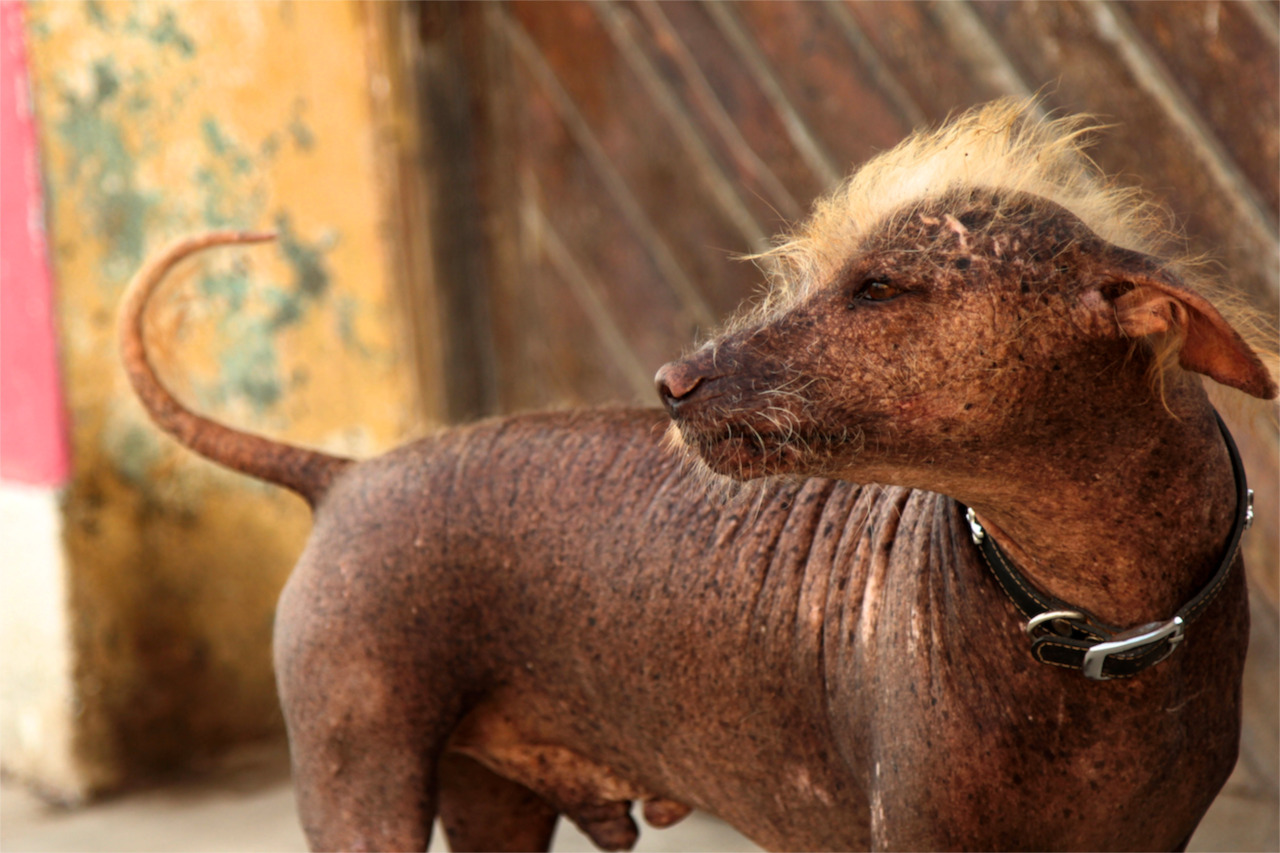
“naked” peruvian dog (perro calato de sechura in Spanish)
The bizarre, and beautiful, “naked” peruvian dog (perro calato de sechura in Spanish), a common companion of local peoples.
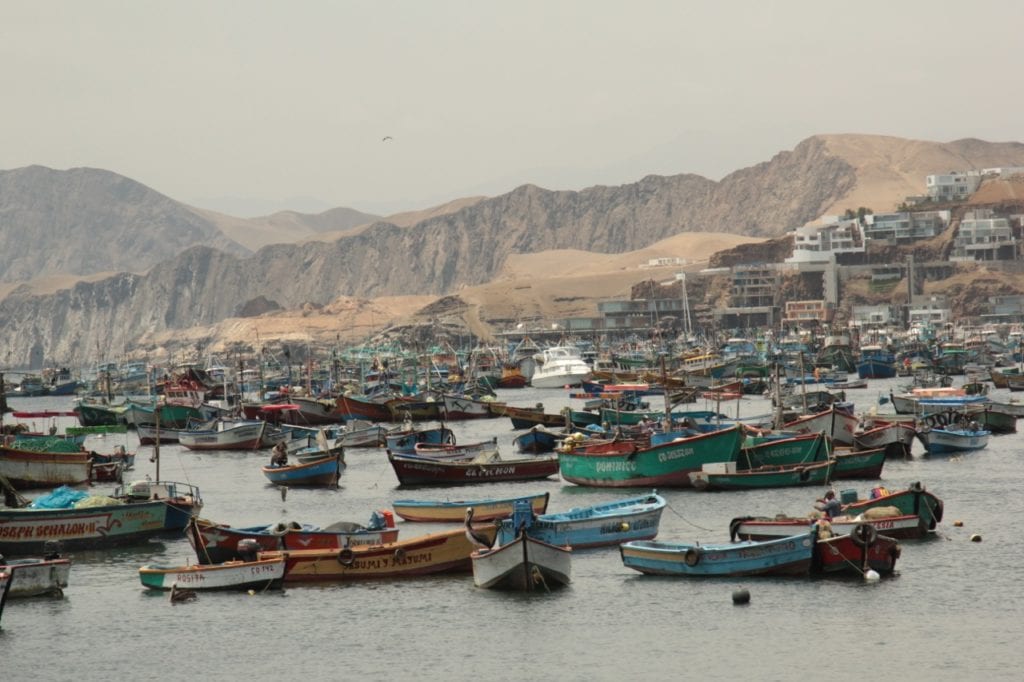
The bay of Pucusana with the arid slopes of the Atacama desert in the background.
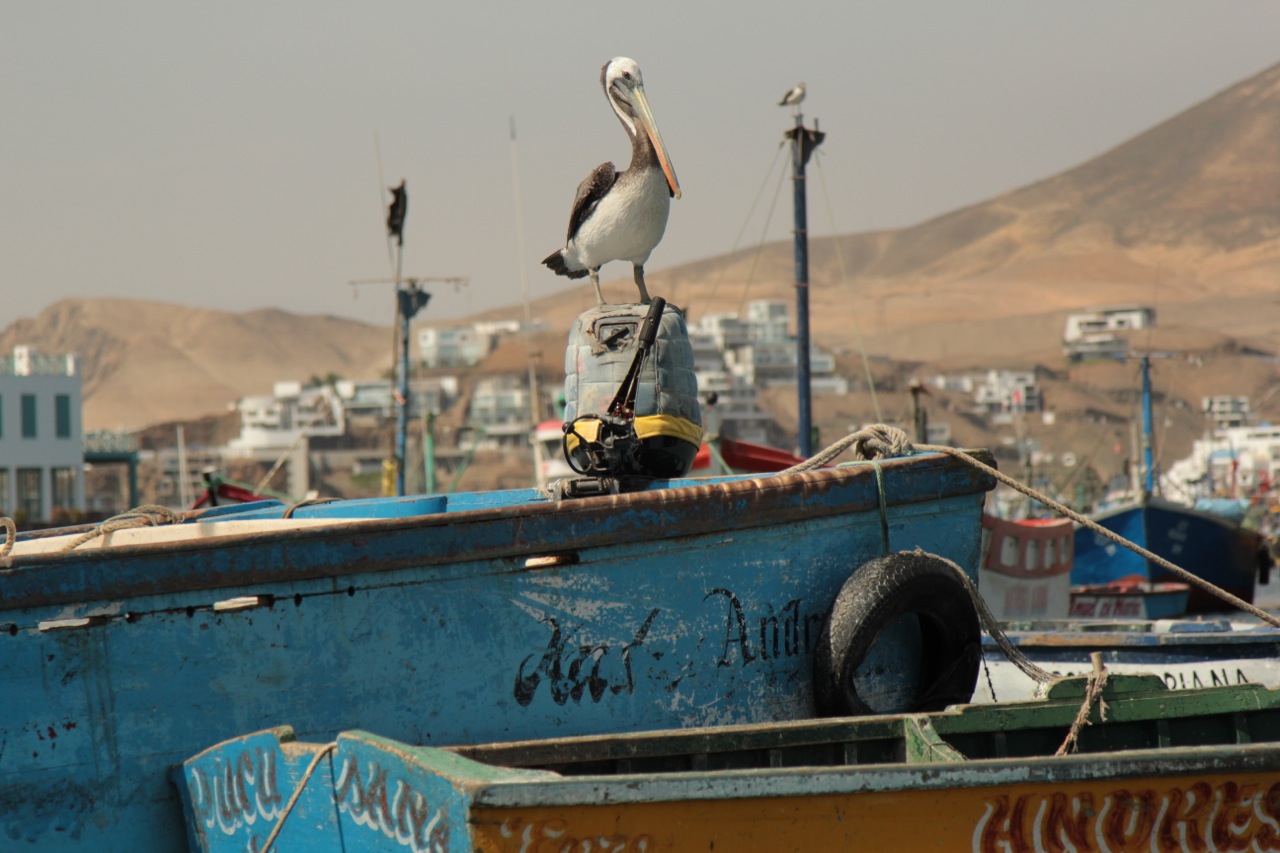
pelican (Pelecanus tagus)
The pelican (Pelecanus tagus), lord of the bay.
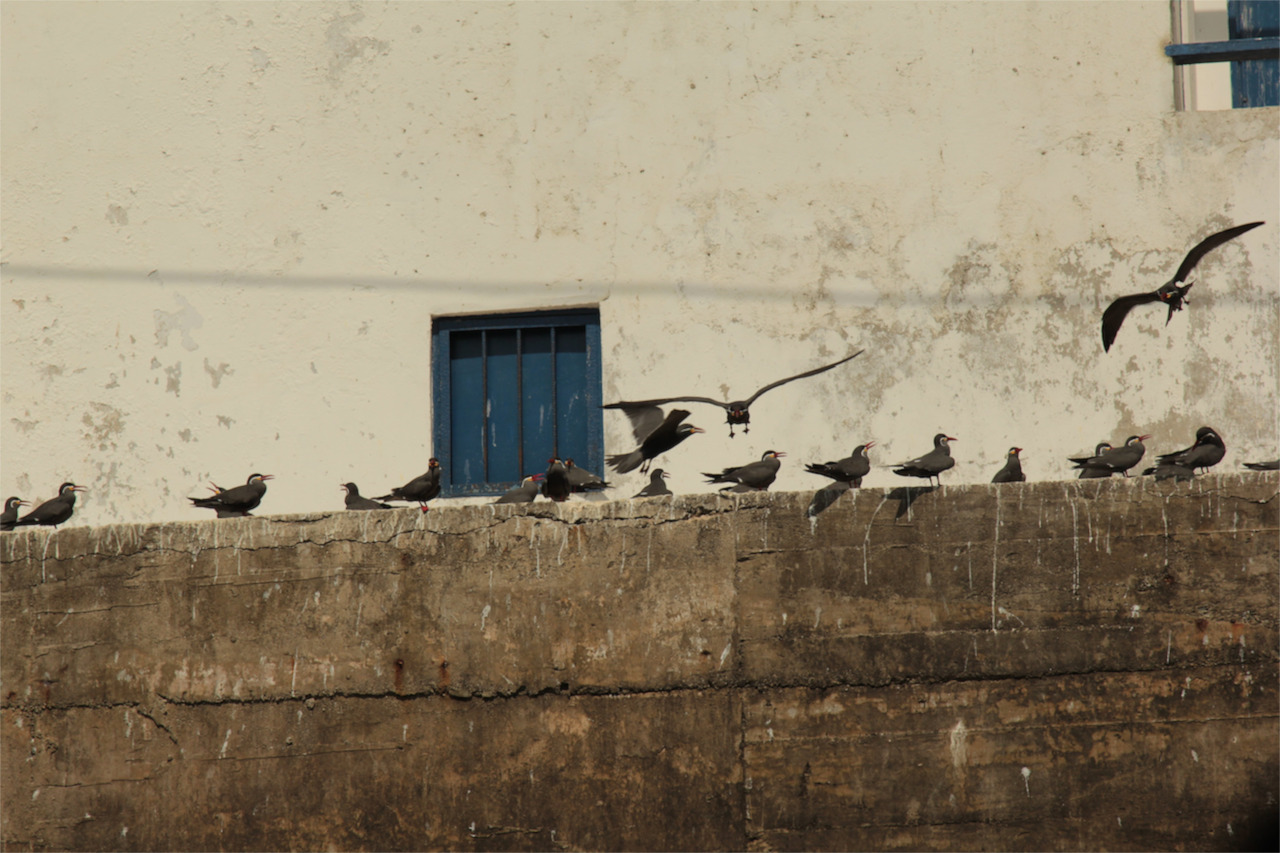
zarcillo (Larosterna inca)
A group of the common and beautiful zarcillo (Larosterna inca).
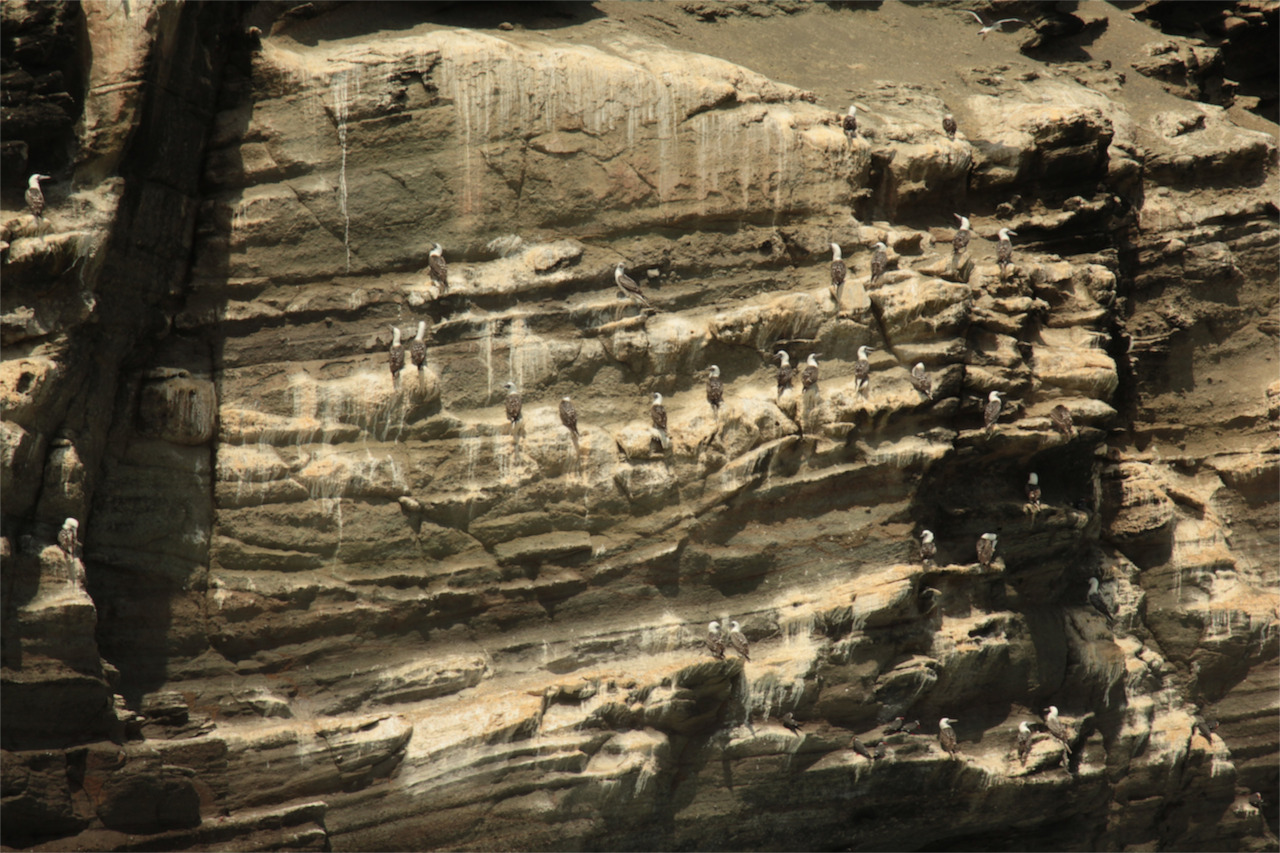
colony of boobies
A colony of boobies (Sula variegata), one of the most abundant species along the coast of Lima.
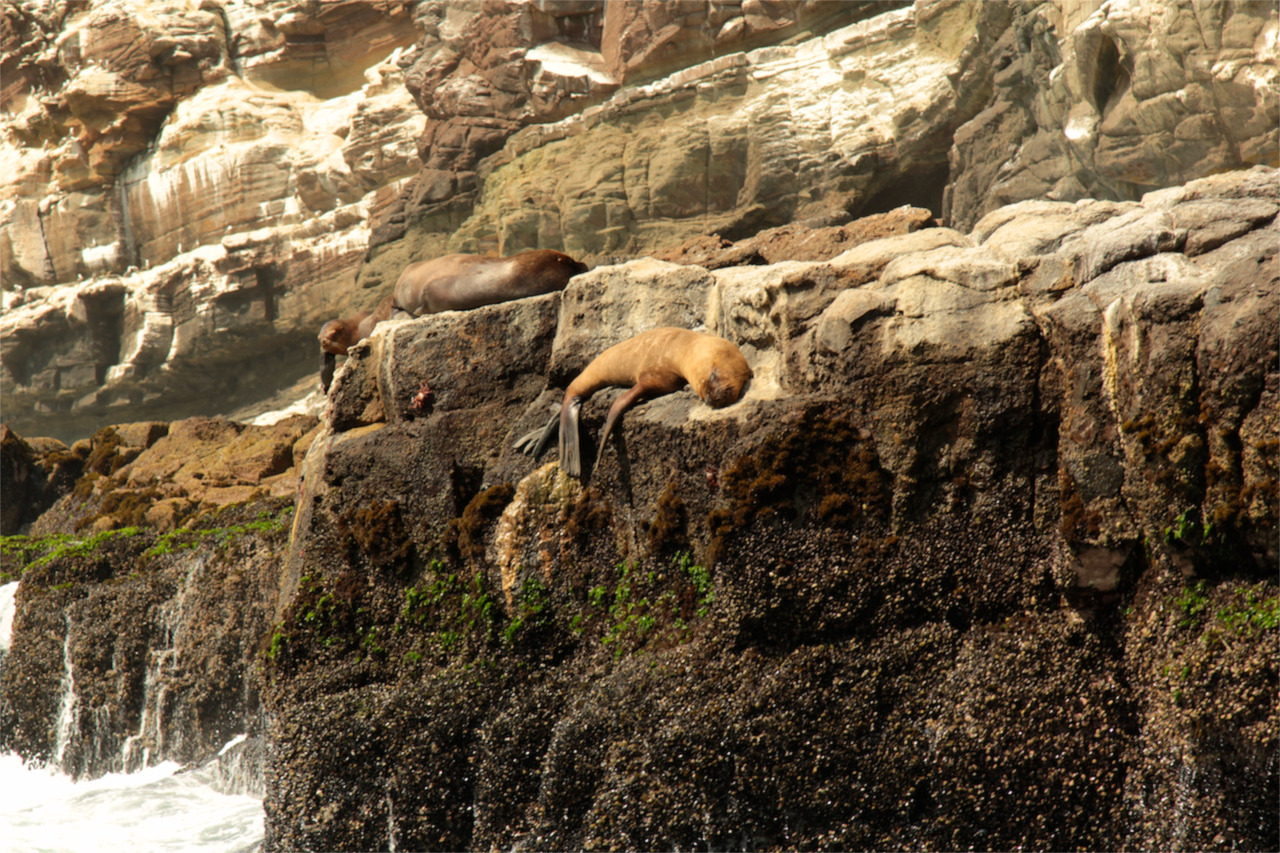
sea lions
Sleepy sea lions (Otaria byronia) enjoying the burning sun and the refreshing splashes of salty water.
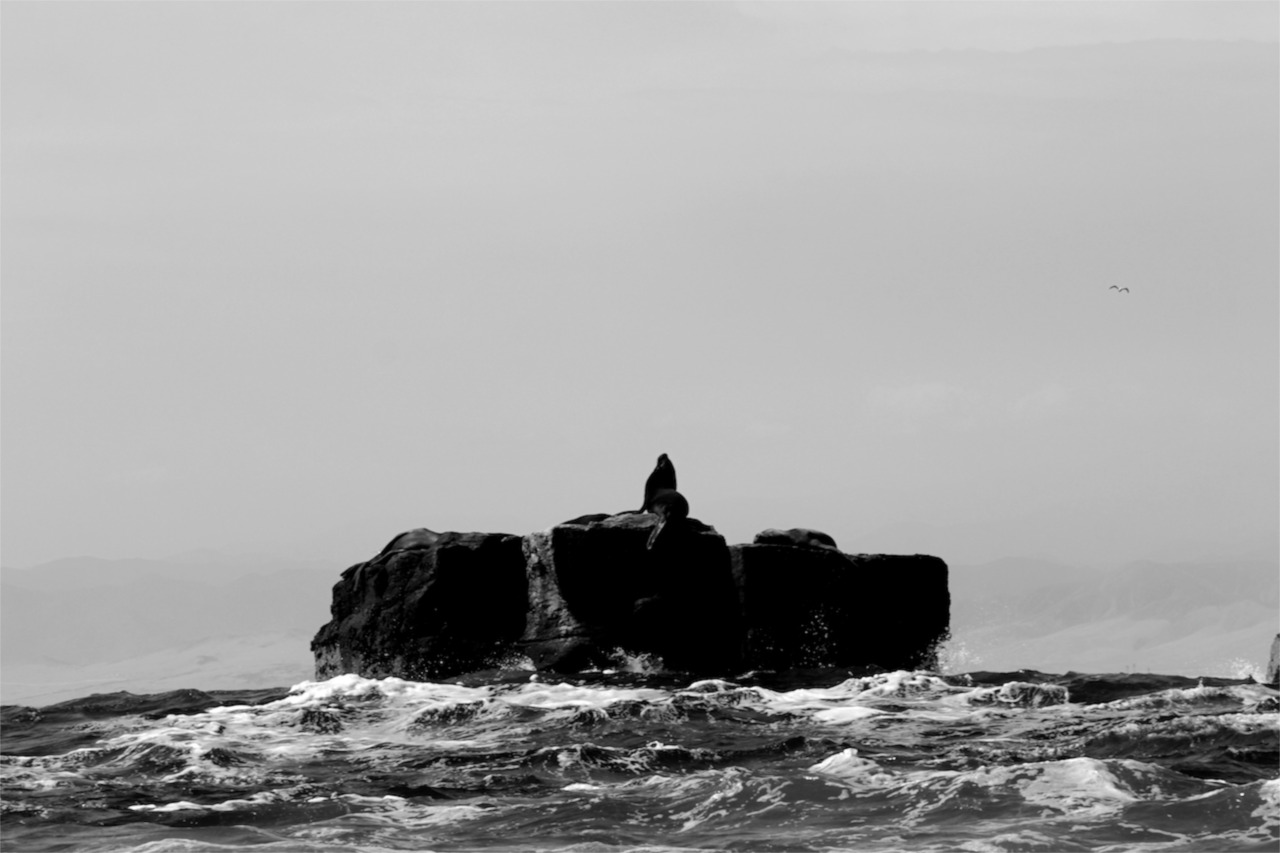
sea lion
A huge male sea lion (Otaria byronia) dries its hairy skin under a strong afternoon sun and guards its privileged position amongst a group of females.

February 28, 2016

We arrived to Lima on a sunny, hot day and decided to make a trip to the beach to see some wildlife. We left the outskirts of the gigantic city of Lima on a bus that headed South through the arid regions of the Atacama desert. After about an hour we reached the small and beautiful fishermen village of Pucusana.

Dozens of boats were docked along an ample and peaceful bay where a crowd of people, pelicans, gulls, and sea lions where all busy doing what they do. We rented an small boat and went off to enjoy the wonders of the Pacific coast of the Atacama desert, one of the most productive and best preserved coastal areas of the world—millions of sea birds populate the many islands, islets, and cliffs of the coast. The sea birds produce the guano, a rich manure that has been exploited ever since Alexander von Humboldt described its wonders after studying it at the port of Callao. Here is a glimpse, in pictures, of the few hours we spent in this extraordinary ecosystem.

José Padial and his team of researchers have traveled to the remote Vilcabamba mountains of Peru in the pursuit of biodiversity research. He blogs and sends photos as often as possible capturing his expedition along the way and his return home to the Carnegie Museum of Natural History in Pittsburgh, PA.

sidebar

About

  • Mission & Commitments
  • Directors Team
  • Museum History

Get Involved

  • Volunteer
  • Membership
  • Carnegie Discoverers
  • Donate
  • Employment
  • Events

Bring a Group

  • Groups of 10 or More
  • Birthday Parties at the Museum
  • Field Trips

Powdermill

  • Powdermill Nature Reserve
  • Powdermill Field Trips
  • Powdermill Staff
  • Research at Powdermill

More Information

  • Image Permission Requests
  • Science Stories
  • Accessibility
  • Shopping Cart
  • Contact
  • Visitor Policies
One of the Four Carnegie Museums | © Carnegie Institute | Privacy Policy | Terms of Use | Accessibility
Rad works here logo