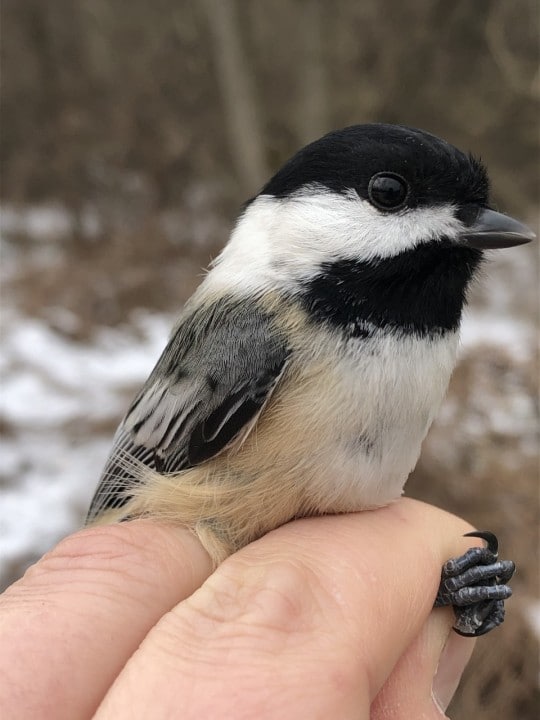
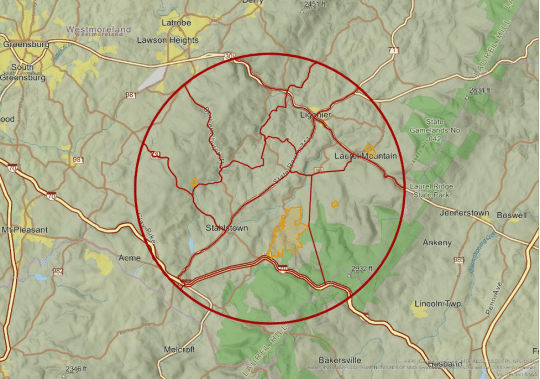
On December 20, 2020, 34 intrepid birders braved a wintry mix to count birds in assigned sectors within a 15-mile diameter circle centered just northwest of Powdermill Nature Reserve. Another eight, who lived within designated territory, closely watched their bird feeders and yards for avian visitors. Why would so many birders be out in less-than-ideal weather conditions? They were all participating in the Rector Christmas Bird Count.
Christmas Bird Count (CBC) is an annual event sponsored by the National Audubon Society that happens in mid-December through early January, with the compiler of each count circle choosing a specific count date within that timeframe. This year marks the 121st anniversary of the activity. The count started on Christmas day in 1900 with the purpose of censusing birds by counting them in the field using optics rather than by using shotguns. Although there were only 25 count circles in the first CBC, it has grown into an international event with nearly 2900 circles spread across the Western Hemisphere and even to Pacific Islands as far away as Guam and the Northern Mariana Islands.
Today, the CBC is a fun day for birders and bird watchers of all skill levels to head outside with the goal of identifying and counting every bird they see and hear within their count areas. The data gathered though this citizen science initiative contributes to both long-term and short-term population studies. To date, more than 200 peer-reviewed scientific publications have used CBC data in their analyses.
Although the count was a bit different this year with COVID-19 precautions keeping counters in different germ pools separate, we had an excellent turnout of both advanced and beginner birders, including some young birders.
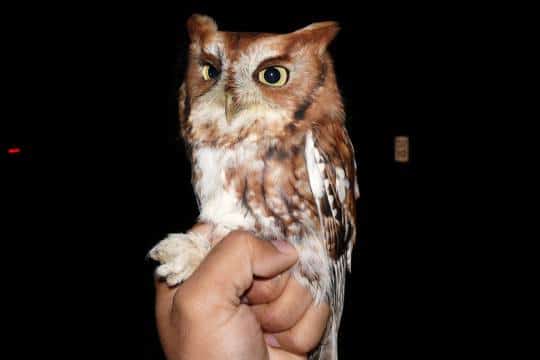
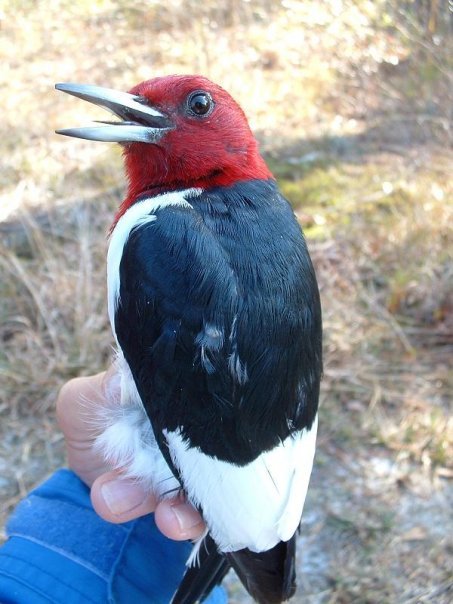
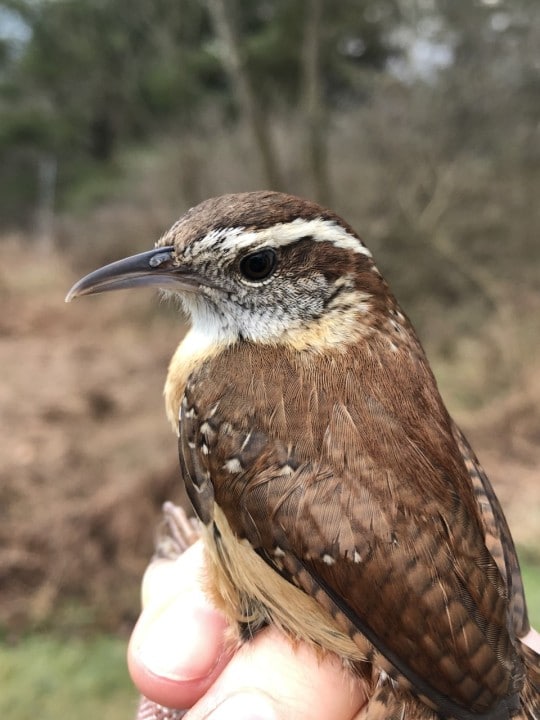
And what a count it was! This winter is an irruption year (for more info on irruptive migration, please see this blog.) for many species, and although we didn’t find hordes of these birds during the count, we did see Pine Siskins, Purple Finches, Red-breasted Nuthatches, higher-than-average numbers of Black-capped Chickadees, and the much sought after Evening Grosbeak. The counters recorded many interesting and less common species this year, including the count’s third ever Snow Goose, third ever Eastern Phoebe, and fifth ever Common Yellowthroat. Both the phoebe and Common Yellowthroat are species that winter in the southeastern US. Counting efforts that began an hour before dawn produced exceptional owl numbers (eight Eastern Screech-Owls, one Great Horned Owl, and two Barred Owls). Additionally, the birders recorded high counts for several species including Ruddy Duck, Black Vulture, Bald Eagle, Red-shouldered Hawk, Red-bellied Woodpecker, Common Raven, Carolina Wren, and Song Sparrow. Most notably, the group counted a record-setting seven Red-headed Woodpeckers, a species that is uncommon in southwestern Pennsylvania and can be reliably found in only one spot of suitable habitat within the count circle.
We thank all of the participants for a wonderful count this year! In all, we tallied 4361 birds of 69 species, a remarkable result thanks to the valiant effort of all of the counters. We look forward to hosting the Rector count next year!
Annie Lindsay is the Bird Banding Program Manager at Carnegie Museum of Natural History’s Powdermill Nature Reserve. Museum employees are encouraged to blog about their unique experiences and knowledge gained from working at the museum.
Related Content
Ask a Scientist: Ravens and crows, what’s the difference?
