North America used to have over 150 species in the genus Aster. But now only one species remains. That isn’t because they went extinct, but instead, they were re-named. Many of these species are still referred to in general as “asters.”
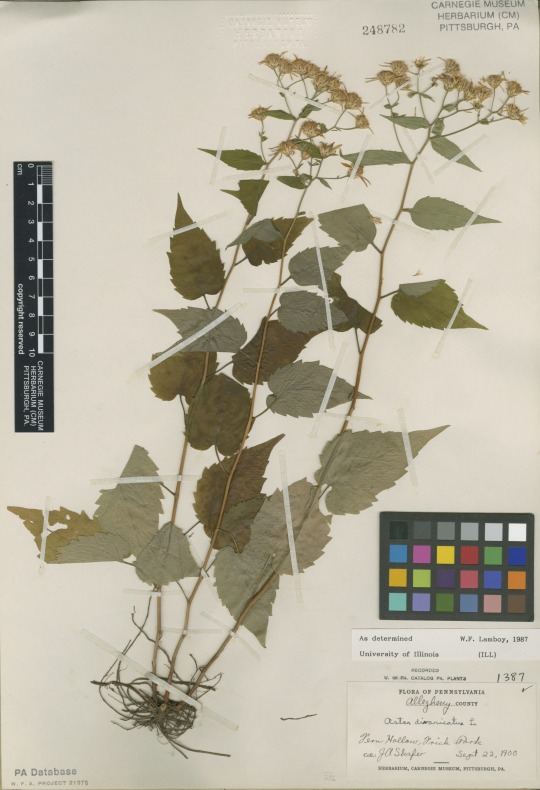
Collected on September 22, 1900, this specimen was found in Fern Hollow, Frick Park, Pittsburgh by early museum botanist John Shafer.
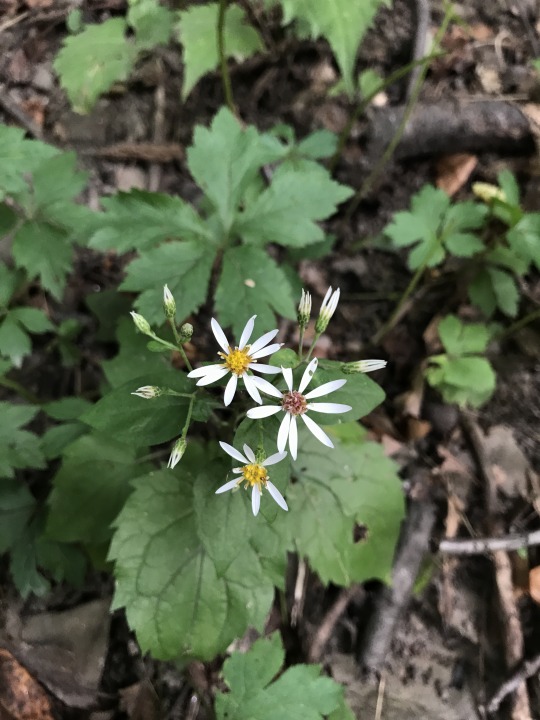
Eurybia divaricata (formerly Aster divaricatus) is commonly known as “white wood aster.” This beautiful fall blooming plant (like many asters) is a common native in eastern United States forests.
So why the new name? Taxonomy (the science of classifying organisms) is an ever-changing science, subject to revision as more research is done, especially at the molecular (DNA) level. As we understand how organisms are related, we can better understand the history of life on Earth. Taxonomic studies of plants often lead to the splitting of one species into many or the lumping of many species into one. In some cases, a “new” rare species may have been hiding under our noses, previously grouped with another species. These studies are important for the conservation and protection of vulnerable species. We must know what these species are to actually protect them!
Like most herbaria (plural for herbarium), the Carnegie Museum herbarium is organized by genus within families. Earlier this year, collections manager Bonnie Isaac and a team of interns and volunteers reorganized the sunflower family (Asteraceae), one of the largest families of flowering plants. After a month of reorganizing and renaming folders, the work is still ongoing. No surprise, as this family is represented by over 51,000 specimens (or about 10% of the entire collection)! Ongoing taxonomic rearrangements like these are just one reason why the work of herbarium staff is never done.
Botanists at Carnegie Museum of Natural History share pieces of the herbarium’s historical hidden collection on the dates they were discovered or collected. Check back for more!
