• Skip to primary navigation
  • Skip to main content
  • Skip to primary sidebar

Carnegie Museum of Natural History

One of the Four Carnegie Museums of Pittsburgh

  • Visit
    • Buy Tickets
    • Visitor Information
    • Exhibitions
    • Events
    • Dining at the Museum
    • Celebrate at the Museum
    • Powdermill Nature Reserve
    • Event Venue Rental
  • Learn
    • Field Trips
    • Educator Information
    • Programs at the Museum
    • Bring the Museum to You
    • Guided Programs FAQ
    • Programs Online
    • Climate and Rural Systems Partnership
  • Research
    • Scientific Sections
    • Science Stories
    • Science Videos
    • Senior Science & Research Staff
    • Museum Library
    • Science Seminars
    • Scientific Publications
    • Specimen and Artifact Identification
  • About
    • Mission & Commitments
    • Directors Team
    • Museum History
  • Tickets
  • Give
  • Shop

Collected on this Day in 1933

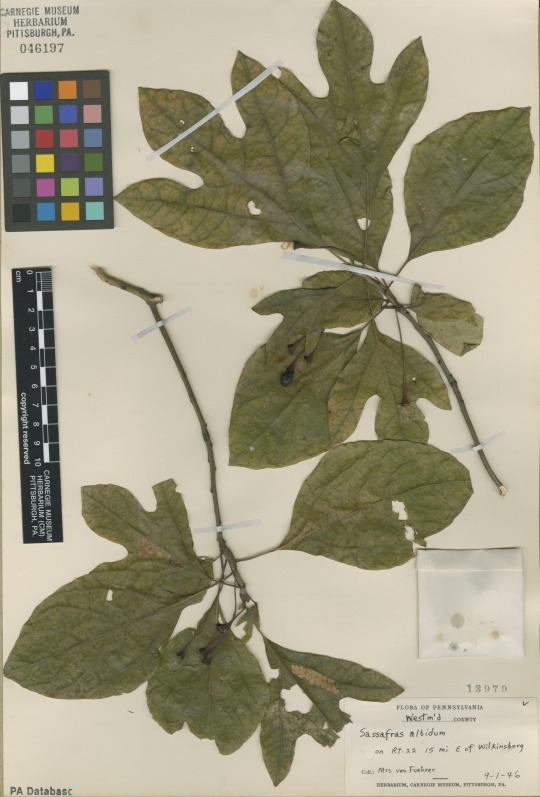
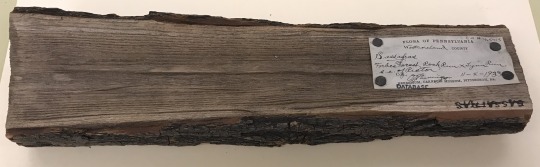
This specimen isn’t your typical herbarium specimen of Sassafras (Sassafras albidum). On November 4, 1933, this piece of sassafras wood was collected by Otto Jennings at Linn Run/Rock Run, about five miles south of Ligonier, Pennsylvania.  
It is unclear what motivated this collection, since Jennings did not normally collect wood like this. Given its bulky size, it is stored separately with the fruit collection in the herbarium.  

This specimen isn’t your typical herbarium specimen of Sassafras (Sassafras albidum). On November 4, 1933, this piece of sassafras wood was collected by Otto Jennings at Linn Run/Rock Run, about five miles south of Ligonier, Pennsylvania.

It is unclear what motivated this collection, since Jennings did not normally collect wood like this. Given its bulky size, it is stored separately with the fruit collection in the herbarium.

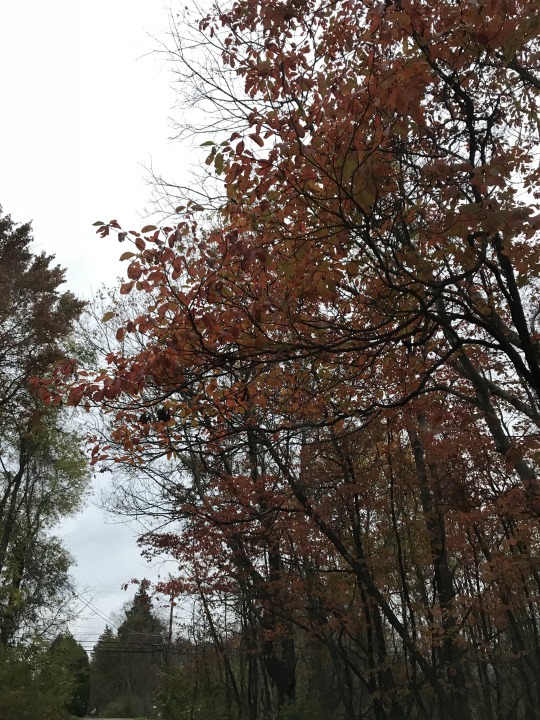
Sassafras is a medium-sized deciduous tree, native across eastern North America. It is easily recognized by its uniquely mitten-shaped leaves. The leaves are very aromatic when crushed in your hand, like many other species in the Laurel family (Lauraceae). They also turn a beautiful red in fall. Sassafras has long been used by humans for medicine and food, both by Native Americans and later Europeans.

Ever wonder where the root in root beer comes from?  Root beer was traditionally made from sassafras roots or bark. But, since 1960, sassafras is no longer used in commercially made root beers. The FDA has shown safrole (the aromatic oil in sassafras roots and bark) to cause liver damage and/or cancer in high doses to laboratory animals. Many commercial root beers nowadays use artificial flavors.

Ever wonder where the root in root beer comes from?  Root beer was traditionally made from sassafras roots or bark. But, since 1960, sassafras is no longer used in commercially made root beers. The FDA has shown safrole (the aromatic oil in sassafras roots and bark) to cause liver damage and/or cancer in high doses to laboratory animals. Many commercial root beers nowadays use artificial flavors.

Botanists at Carnegie Museum of Natural History share pieces of the herbarium’s historical hidden collection on the dates they were discovered or collected. Check back for more!

sidebar

About

  • Mission & Commitments
  • Directors Team
  • Museum History

Get Involved

  • Volunteer
  • Membership
  • Carnegie Discoverers
  • Donate
  • Employment
  • Events

Bring a Group

  • Groups of 10 or More
  • Birthday Parties at the Museum
  • Field Trips

Powdermill

  • Powdermill Nature Reserve
  • Powdermill Field Trips
  • Powdermill Staff
  • Research at Powdermill

More Information

  • Image Permission Requests
  • Science Stories
  • Accessibility
  • Shopping Cart
  • Contact
  • Visitor Policies
One of the Four Carnegie Museums | © Carnegie Institute | Privacy Policy | Terms of Use | Accessibility
Rad works here logo