
(Not quite yet) flowering dogwood
This specimen of flowering dogwood (Cornus florida) was collected on January 21, 1906 in Fern Hollow, Frick Park, Pittsburgh by Otto Jennings. The specimen was collected 13 years before Frick Park became a city park, bequeathed by the well-known industrialist Henry Clay Frick after his death. Otto Jennings was an influential botanist in western Pennsylvania, serving as curator at the museum for many years.
I’ve said it before, but I’ll say it again – specimens without leaves are cool! Why did Jennings collect this specimen?
Flowering dogwood has distinctively big flower buds through the winter. The flower is in there, remaining dormant, waiting to blossom in the spring. Like many other woody species in our area, the leaf and flower buds are pre-formed by the previous fall. They remain dormant until they reach their chilling requirement (number of cold days), the air temperature warms, and/or the days get longer (in plants, this is called “photoperiod”). Different species have different requirements, with some species being more conservative than others to prevent premature leaf out in the middle of winter.
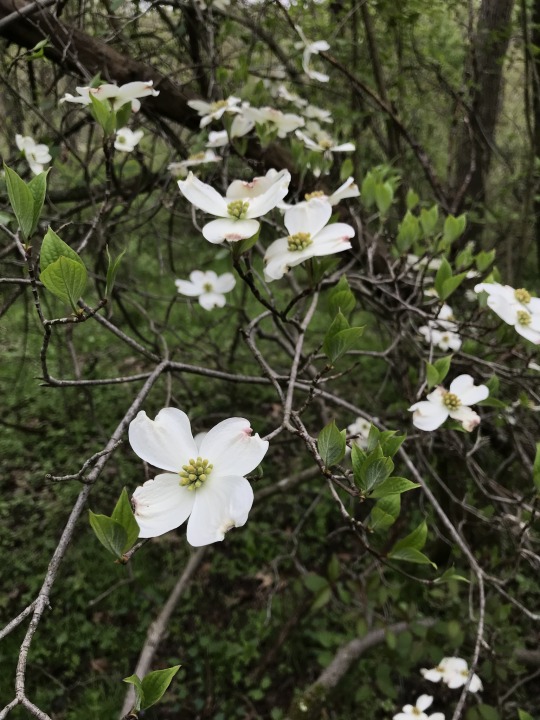
Only about two and half more months until flowering dogwood awakes in western Pennsylvania. In the meantime, you can admire the species in the spring diorama in Botany Hall, or look for their buds outside.
Find this specimen and more here.
Check back for more! Botanists at the Carnegie Museum of Natural History share digital specimens from the herbarium on dates they were collected. They are in the midst of a three-year project to digitize nearly 190,000 plant specimens collected in the region, making images and other data publicly available online. This effort is part of the Mid-Atlantic Megalopolis Project (mamdigitization.org), a network of thirteen herbaria spanning the densely populated urban corridor from Washington, D.C. to New York City to achieve a greater understanding of our urban areas, including the unique industrial and environmental history of the greater Pittsburgh region. This project is made possible by the National Science Foundation under grant no. 1801022.
Mason Heberling is Assistant Curator of Botany at the Carnegie Museum of Natural History. Museum employees are encouraged to blog about their unique experiences and knowledge gained from working at the museum.
