Baking traditions are shared across the globe during the winter holiday season. Like many others, my family typically gets together every year to make batches of different cookies to hand out to our friends and loved ones. While this baking tradition is among the best experiences every year, my favorite baked holiday tradition is actually one that we have delivered. Deeply rooted in my family’s Dutch heritage, I look forward to our annual shipment of Dutch letters from the Jaarsma Bakery in Pella, Iowa.
Known in Dutch as banketstaaf, banketletter, boterletter, or letterbanket, Dutch letters are rolled, log-like pastries made with banket, a puff pastry with an almond paste filling. The pastry is formed into the initial of families’ surnames or the letter S. The S shape represents the first letter of the holiday Sinterklaasavond, or Saint Nicholas’ Eve, celebrated on December 5th in the Netherlands. Letters became associated with Sinterklaas in the 19th century when a sheet was used to wrap holiday presents. A bread dough letter was then placed on top of the sheet to identify the gift’s recipient.
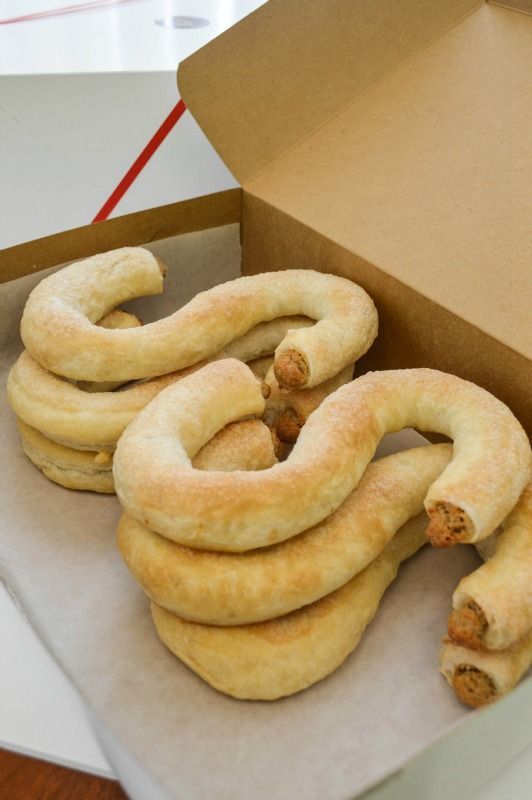
Though common throughout the Netherlands on Sinterklassvond, it is rare to see these treats outside of Pella, Iowa in the United States. Pella was settled in 1847 by Dutch immigrants who sought to escape religious persecution in Holland, a region of the Netherlands. They brought with them many customs still around today including Delft Blue porcelain, tulips, windmills, wooden shoes, and daily coffee times known as koffieklets.
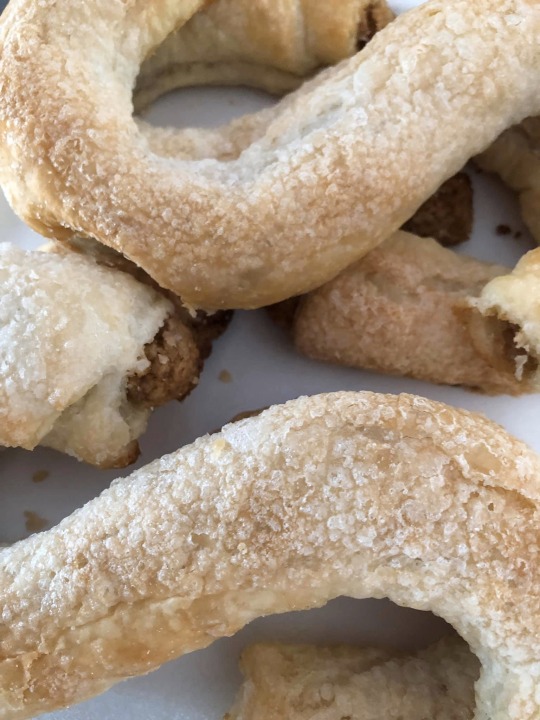
One early immigrant to Pella, Harmon Jaarsma, brought his family recipes to the new city and founded the Jaarsma Bakery in 1898. These recipes included his recipe for the legendary Jaarsma Dutch letters, which he made in brick ovens. Along with their popularity during the winter holiday season, Dutch letters have also become an integral part of Pella’s Tulip Time Festival that occurs every May, but they’re one of my favorite family traditions I celebrate during the holiday season.
Jane Thaler is a Gallery Experience Presenter in CMNH’s Life Long Learning Department. Museum staff, volunteers, and interns are encouraged to blog about their unique experiences and knowledge gained from working at the museum.
