by Pat McShea
Distractions can lead to insight. During a mid-February bird watching tour in northern Minnesota, my visual concentration on road edge treetops was broken by hundreds of rusty marble-sized pellets scattered across the surface of a snow-free railroad crossing. From a third row window seat in a large SUV, I called out a sighting that had nothing to do with hawks, owls, or north woods finches. “Those spilled iron ore pellets on the tracks might have been headed to Pittsburgh.”
The declaration had relevance because the tour was a Pittsburgh product, sponsored by the Audubon Society of Western Pennsylvania, and serving a small cold-hardy audience from the long established organization’s home region. Seven of the nine tour participants, including my wife and myself, were Pittsburgh Area residents, as were the pair of skilled Audubon naturalists who served as our hosts, guides, and drivers.
Boreal Birds in Winter, as the six-day adventure was titled, largely involved exploration of the vast mosaic of forests, wetlands, and farms known as Sax-Zim Bog. This 300 square mile tract of public and private lands an hour’s drive northwest of Duluth is renowned for its winter concentration of sub-arctic songbirds and occasional appearances of up to nine different species of owls. On most days we travelled from comfortable Duluth-edge accommodations to Sax-Zim for dawn-until-after-dark bird searches.
The distraction sparked by the wayward rail line pellets occurred during one such visit. Technically, the metallic pearls were taconite, a low grade iron ore processed from blasted rock fragments in mine-adjacent plants through a multi-step process that includes crushing, magnetic separation, the addition of clay minerals to aid pellet formation, and hardening in a high temperature kiln. Their origin was almost certainly the Precambrian-age rocks of the Mesabi Iron Range, some thirty miles distant, and since the 1890s the historic source for much of the American Steel Industry’s elemental natural resource.
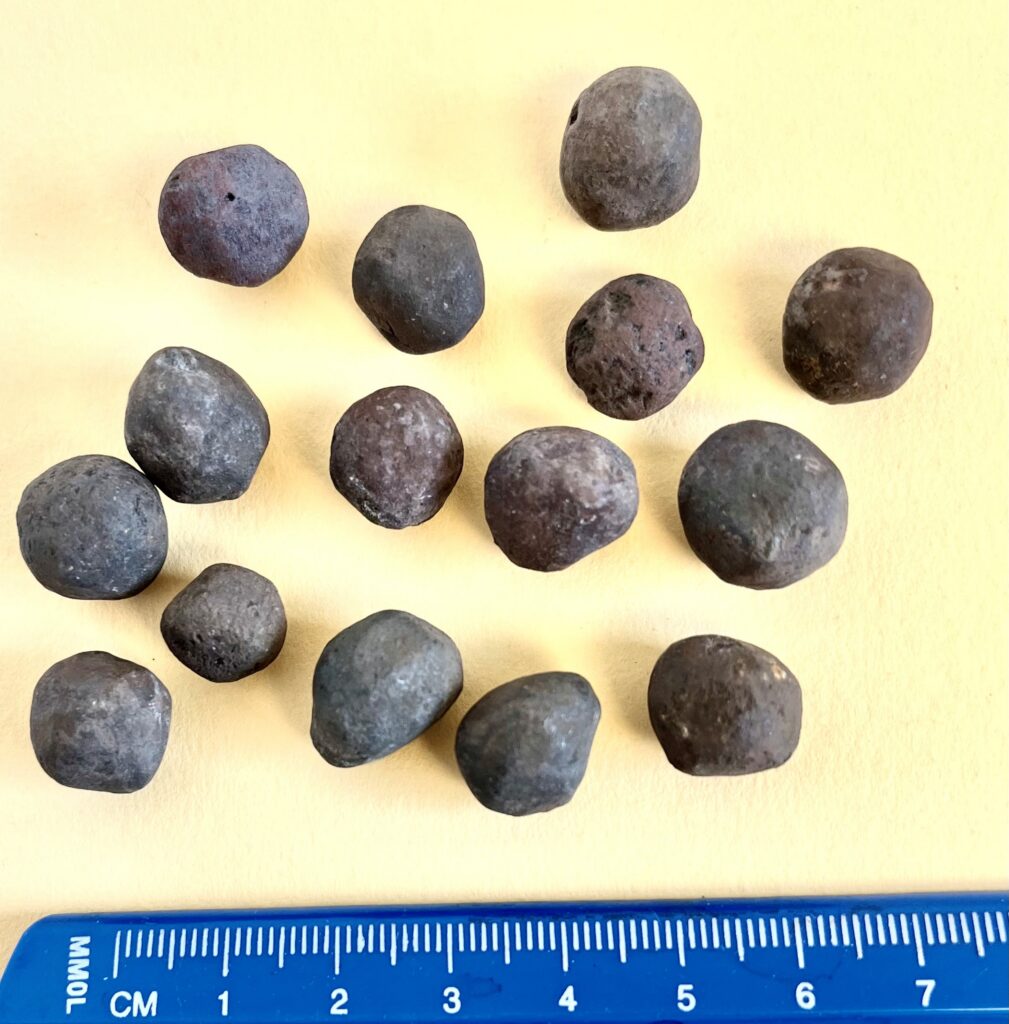
My familiarity with taconite pellets developed during a decades long career as an educator at Carnegie Museum of Natural History. There, during occasional rock and mineral workshops for teachers, I shared handfuls of wayward Mon Valley-bound pellets collected from a road crossing of the Bessemer and Lake Erie Rail line near my Plum Borough home. Hands-on workshop sessions, always prefaced by an hour long visit to the dazzling displays within the Hillman Hall of Minerals and Gems, focused on mineral resources vital to Pittsburgh’s industrial development. In addition to taconite, participants handled samples of coal, limestone, fluorite, and slag.
Because bird spotting was a group priority, my backseat follow-up comments were limited to thinking aloud speculation about the taconite shipping route to Pittsburgh. “Rail from here to the Lake Superior shore, then a freighter trip across the Great Lakes to Conneaut, Ohio and the northern end of Bessemer rail line.” As my concentration on the passing tree line returned, I quietly considered the distraction’s merits. The comprehensive scope of natural history as a field of study was revealed in a flash by a few ounces of processed ore shaken loose from passing hopper cars.
An expansive topic scope is readily accommodated within the mission statement of Carnegie Museum of Natural History: To deepen wonder and advance understanding of our natural world—past and present—in order to embrace responsibility for our collective future. This foundational encouragement of continual curiosity invites a mental exercise long familiar to museum educators, deciding which collections, exhibitions, or exhibited materials could be applicable to the deeper interpretation of a particular wonder-generating phenomenon.
In the case of eco-tourism on the edge of the Iron Range, several locations come to mind. The very name “Mesabi” for Minnesota’s iron-bearing mountain range invites consideration of Native perspectives on the region’s settlement, alteration, and industrial development, including treaties and treaty rights. Exhibits within The Alcoa Foundation Hall of American Indians could provide critical foundational context for anyone beginning such consideration.
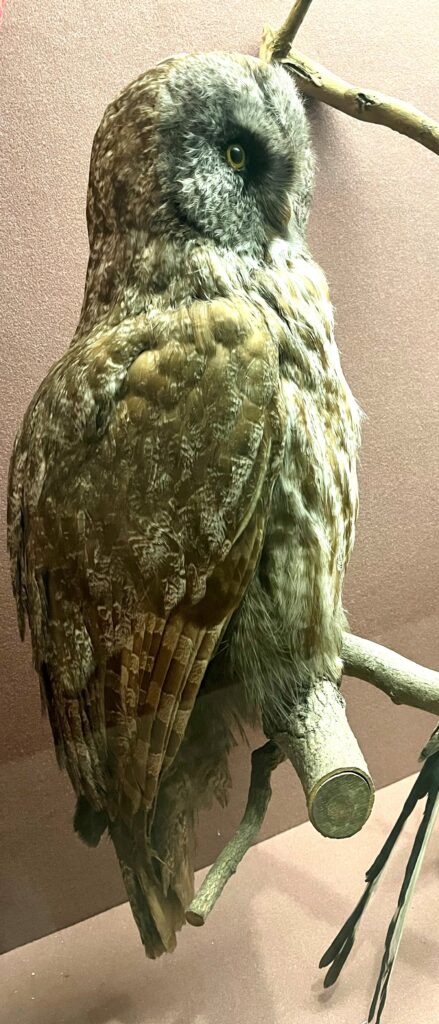
In Bird Hall, the 30-inch-high taxidermy mount of a perched Great Gray Owl, a species emblematic of wildlife observation opportunities in Sax-Zim Bog, museum visitors could study some of the physical adaptations that enable this predator to survive the severe winter conditions of northern Minnesota.
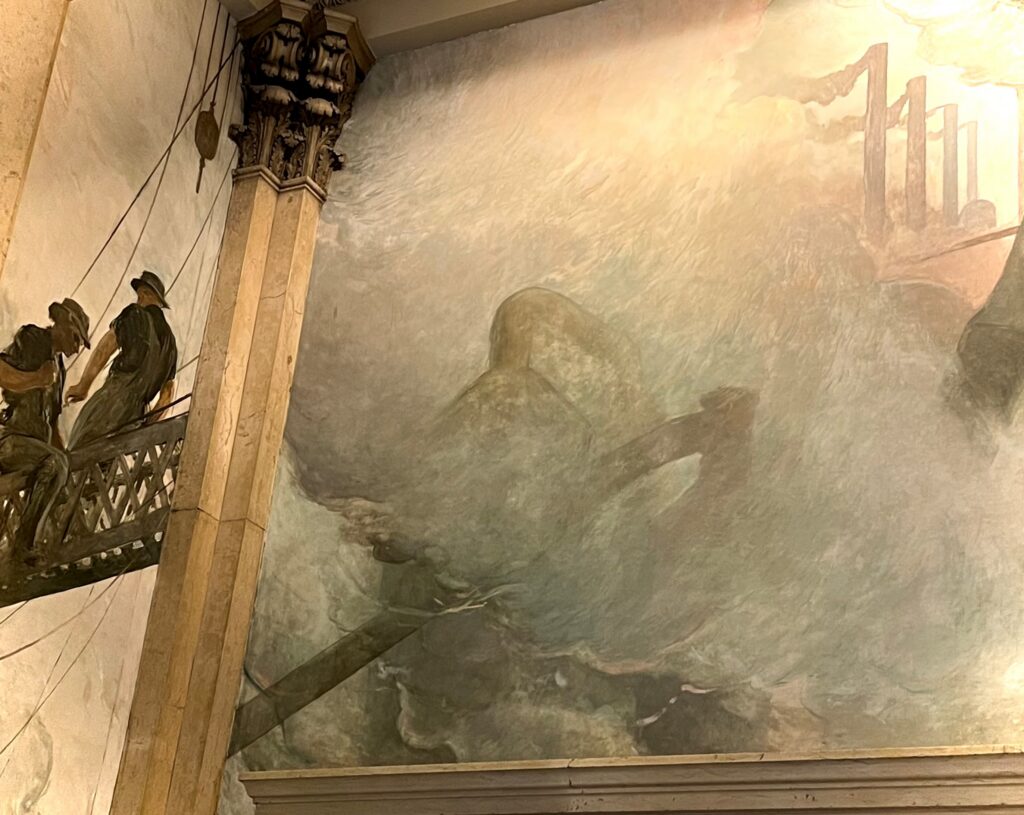
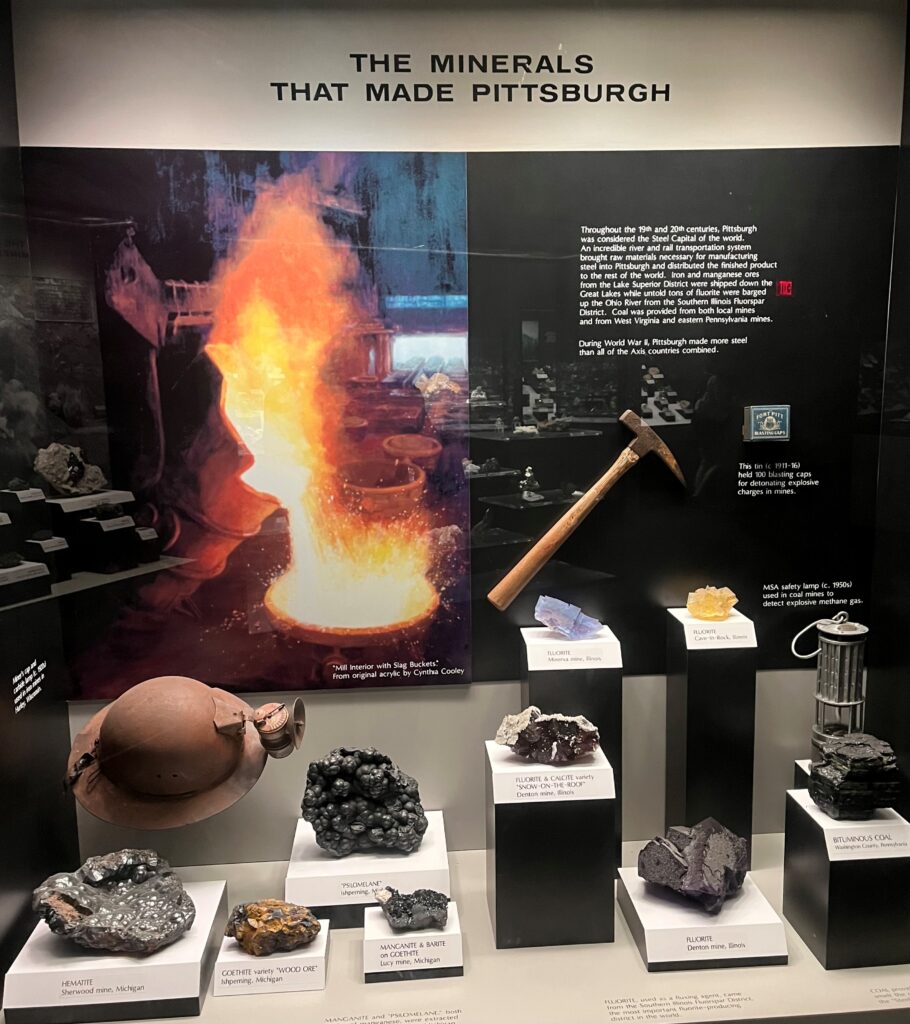
Shifting topics and locations, a visit to the alcove within the Hillman Hall of Minerals and Gems labelled “THE MINERALS THAT MADE PITTSBURGH,” could be followed by discussions about the environmental impacts of mineral extraction in the Hall of Botany, or in front of any of the second floor wildlife dioramas. Finally, in many panels of The Apotheosis of Pittsburgh mural by John White Alexander along the building’s Grand Staircase, the human labor involved in steel production is memorialized for viewers on the first floor level and second floor landing.
Pat McShea is Educator Emeritus at Carnegie Museum of Natural History.
Related Content
A New Exhibition Endorses Old Advice
Uprooted: Inside the Museum’s New Exhibition on Invasive Plants
