
A Damming History: Cultural and Ecological Consequences in Egypt and Pittsburgh
April 18, 2021 - April 22, 2021
Online
Event Navigation
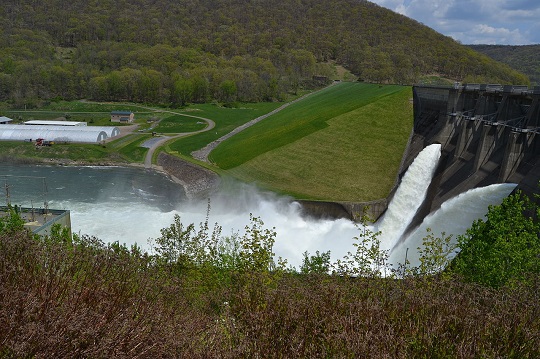
This year for Earth Day, join us virtually by watching Lake of Betrayal (about the Kinzua dam) and The World Saves Abu Simbel; submitting questions to a panel of experts and meeting with us on Zoom on Earth Day to hear from the experts about the impact of dams.
If you register below, you will be emailed access to a page to watch the documentaries the week of April 18, 2021 where you can submit questions to our experts. This page will also contain the information and link for the zoom webinar, taking place Thursday, April 22 from 6 p.m. to 7 p.m.
Schedule of Events:
April 18: Receive email with access to webpage with where to watch films, Zoom Webinar information, form for submitting questions to experts, and expert bios.
April 22 at 6 p.m.: Zoom Webinar
About the Expert Panelists
Drew Armstrong is Associate Professor in the department of History of Art & Architecture and director of Architectural Studies at the University of Pittsburgh. He currently teaches a course on the Oakland neighborhoods and is researching the development of the University of Pittsburgh campus in the 1960s.
Caleb G. Abrams is an award-winning Onöndowa’ga:’ (Seneca) filmmaker and multimedia artist based out of what is currently considered Brantford, Ontario. Raised on the Seneca Nation’s Allegany Territory of Ohi:yo’, much of his work emerges from the social, historical, and cultural fabric of the Onöndowa’ga:’.
Christine Johnston is an Assistant Professor of Ancient Mediterranean History at Western Washington University, and the Natural Environment Area Editor for the UCLA Encyclopedia of Egyptology. Her research centers on the cultures and history of the Ancient Mediterranean world, particularly on economic exchange and cross-cultural interaction.
More information about the panelists will be included in the information emailed to registrants.
If you have registration problems, please email ProgramRegistration@CarnegieMuseums.org to register.
[swaddtocart site=”6″ item=”106047″]
Funding for the event was provided by the American Society for Environmental History (ASEH). For more ASEH events, please visit the ASEH Environmental History Week webpage.
