• Skip to primary navigation
  • Skip to main content
  • Skip to primary sidebar

Carnegie Museum of Natural History

One of the Four Carnegie Museums of Pittsburgh

  • Visit
    • Buy Tickets
    • Visitor Information
    • Exhibitions
    • Events
    • Dining at the Museum
    • Celebrate at the Museum
    • Powdermill Nature Reserve
    • Event Venue Rental
    • Gift Cards
  • Learn
    • Field Trips
    • Educator Information
    • Programs at the Museum
    • Bring the Museum to You
    • Guided Programs FAQ
    • Programs Online
    • Climate and Rural Systems Partnership
  • Research
    • Scientific Sections
    • Science Stories
    • Science Videos
    • Senior Science & Research Staff
    • Museum Library
    • Science Seminars
    • Scientific Publications
    • Specimen and Artifact Identification
  • About
    • Mission & Commitments
    • Directors Team
    • Museum History
  • Tickets
  • Give
  • Shop
Loading Events

« All Events

R.W. Moriarty Science Seminar: Following Pots from the Dead Sea Plain to Pittsburgh

March 11, 2027, 6:00 pm - 7:00 pm

At the Museum

Event Navigation
  • « R.W. Moriarty Science Seminar: Natural History in a Flash: Lightning Talks from Carnegie Museum Scientists
  • R.W. Moriarty Science Seminar: Fragile Legacies: The Ethics, Science, and Art of a Conservator »
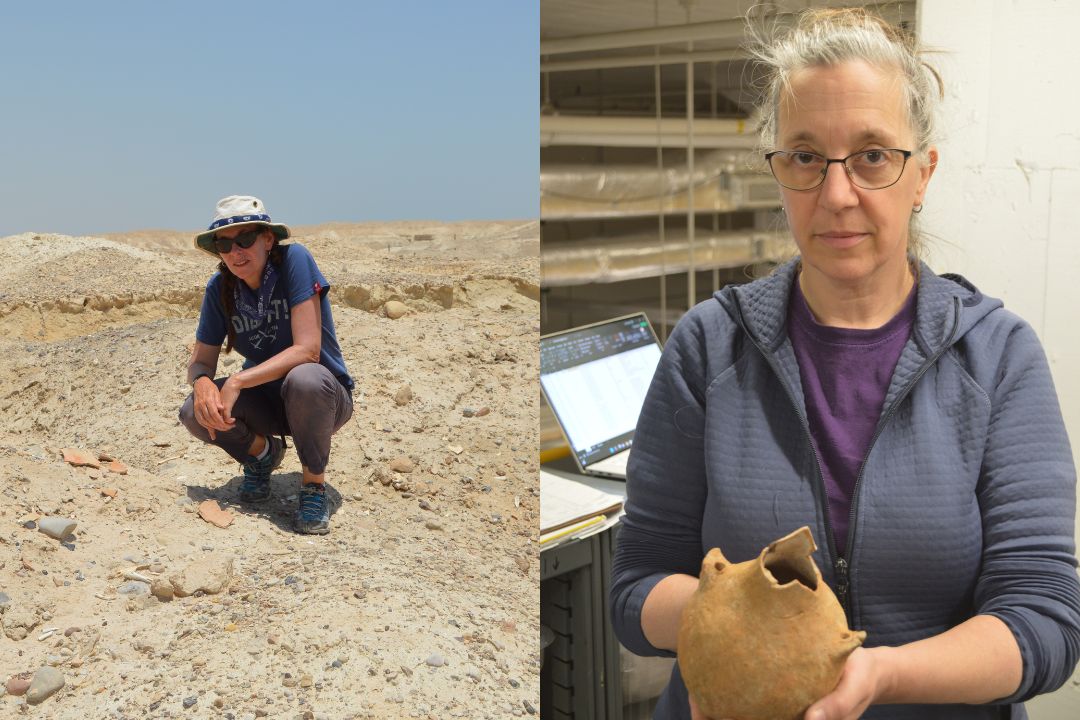
people holding clay pots

Talk: Following Pots from the Dead Sea Plain to Pittsburgh

Speaker: Dr. Morag Kersel and Meredith Chesson

When: Thursday, March 11, 2027, 6:00–7:00 p.m.

Where: Art Theater and online via Zoom

Tickets: Free. Museum admission not required.

In the early 1960s, archaeologist Paul Lapp noticed a flood of Early Bronze Age (3600–2000 BCE) pots in antiquities shops in Jerusalem and Amman, unmistakably looted from the prehistoric cemetery at Bâb adh-Dhrâʿ, a site along the Dead Sea Plain in Jordan. In response, Lapp and colleagues initiated excavations in the cemetery to save pots and other grave goods from also ending up on the antiquities market. Many of these items now reside at Carnegie Museum of Natural History. Since 2011, Morag Kersel and Meredith Chesson have been following Early Bronze Age pots from these same Dead Sea sites. They conduct pedestrian and drone surveys, use archival resources, and collect ethnographic interviews to trace how these vessels have moved, and to reconstruct their social, economic, and political meanings from 5,000 years ago to today.

Registration is required to attend R.W. Moriarty Science Seminars. Register here to attend in person or click here to join us via Zoom. 

Upcoming R.W. Moriarty Science Seminars

Learn about scientific discoveries directly from the experts in the field. Carnegie Museum of Natural History’s scientific research staff and invited speakers discuss their latest findings on numerous scientific topics at the R.W. Moriarty Science Seminar series.

  • Google Calendar
  • iCalendar
  • Outlook 365
  • Outlook Live

Details

Date:
March 11, 2027
Time:
6:00 pm - 7:00 pm
Event Category:
Classes and Workshops
Event Tags:
RW Moriarty Science Seminars

Venue

At the Museum
4400 Forbes Avenue
Pittsburgh, PA 15213-4007 United States
+ Google Map
Phone
412-622-3131

Event Navigation

  • « R.W. Moriarty Science Seminar: Natural History in a Flash: Lightning Talks from Carnegie Museum Scientists
  • R.W. Moriarty Science Seminar: Fragile Legacies: The Ethics, Science, and Art of a Conservator »

Tagged With: RW Moriarty Science Seminars

sidebar

About

  • Mission & Commitments
  • Directors Team
  • Museum History

Get Involved

  • Volunteer
  • Membership
  • Carnegie Discoverers
  • Donate
  • Employment
  • Events

Bring a Group

  • Groups of 10 or More
  • Birthday Parties at the Museum
  • Field Trips

Powdermill

  • Powdermill Nature Reserve
  • Powdermill Field Trips
  • Powdermill Staff
  • Research at Powdermill

More Information

  • Image Permission Requests
  • Science Stories
  • Accessibility
  • Shopping Cart
  • Contact
  • Visitor Policies
Stay in the loop! Sign up for our newsletter(s).
One of the Four Carnegie Museums | © Carnegie Institute | Privacy Policy | Terms of Use | Accessibility
Rad works here logo