• Skip to primary navigation
  • Skip to main content
  • Skip to primary sidebar

Carnegie Museum of Natural History

One of the Four Carnegie Museums of Pittsburgh

  • Visit
    • Buy Tickets
    • Visitor Information
    • Exhibitions
    • Events
    • Dining at the Museum
    • Celebrate at the Museum
    • Powdermill Nature Reserve
    • Event Venue Rental
  • Learn
    • Field Trips
    • Educator Information
    • Programs at the Museum
    • Bring the Museum to You
    • Guided Programs FAQ
    • Programs Online
    • Climate and Rural Systems Partnership
  • Research
    • Scientific Sections
    • Science Stories
    • Science Videos
    • Senior Science & Research Staff
    • Museum Library
    • Science Seminars
    • Scientific Publications
    • Specimen and Artifact Identification
  • About
    • Mission & Commitments
    • Directors Team
    • Museum History
  • Tickets
  • Give
  • Shop
Loading Events

« All Events

Moriarty Science Seminar: Eavesdropping on wildlife: Realizing the potential of autonomous acoustic surveys for ecology and conservation biology

March 28, 2022, 12:00 pm - 1:00 pm

Online

Event Navigation
  • « Educator Webinar: Specimens, Artifacts and Adventure: Supporting All Learners During Pandemic Disruptions
  • Woodcock Walk at Powdermill Nature Reserve »
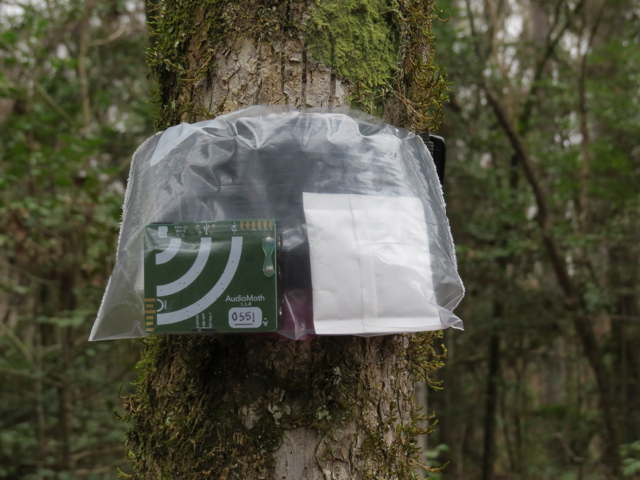
audio moth

R.W. Moriarty Science Seminar Presents: Eavesdropping on wildlife: Realizing the potential of autonomous acoustic surveys for ecology and conservation biology

Speaker: Tessa Rhinehart, University of Pittsburgh

Abstract:: In an era of rapid global change, it is critically important to understand how anthropogenic actions like habitat disturbance and restoration affect wildlife populations. Ecologists and conservation biologists are increasingly applying autonomous survey methods to study these questions at large scales. Autonomous surveys involve using passive sensors such as camera traps and autonomous acoustic recorders to gather data on the species present in a location. To interpret the large data sets that such sensors produce, many practitioners are turning to machine learning algorithms that can identify the species captured in these data.
However, these machine learning-driven approaches come with several drawbacks. For example, algorithms regularly misidentify species and their accuracy can differ between datasets. Interpreting this error-prone output poses challenges that this work aims to address. This talk will describe three case studies applying autonomous acoustic recorders to study bird populations. It will identify common obstacles in using such approaches and discuss how to overcome these obstacles to test ecological theories and conserve biodiversity in a changing world.

.

Register Now

  • Google Calendar
  • iCalendar
  • Outlook 365
  • Outlook Live

Details

Date:
March 28, 2022
Time:
12:00 pm - 1:00 pm
Event Tags:
RW Moriarty Science Seminars

Venue

Online

Event Navigation

  • « Educator Webinar: Specimens, Artifacts and Adventure: Supporting All Learners During Pandemic Disruptions
  • Woodcock Walk at Powdermill Nature Reserve »

Tagged With: RW Moriarty Science Seminars

sidebar

About

  • Mission & Commitments
  • Directors Team
  • Museum History

Get Involved

  • Volunteer
  • Membership
  • Carnegie Discoverers
  • Donate
  • Employment
  • Events

Bring a Group

  • Groups of 10 or More
  • Birthday Parties at the Museum
  • Field Trips

Powdermill

  • Powdermill Nature Reserve
  • Powdermill Field Trips
  • Powdermill Staff
  • Research at Powdermill

More Information

  • Image Permission Requests
  • Science Stories
  • Accessibility
  • Shopping Cart
  • Contact
  • Visitor Policies
One of the Four Carnegie Museums | © Carnegie Institute | Privacy Policy | Terms of Use | Accessibility
Rad works here logo