• Skip to primary navigation
  • Skip to main content
  • Skip to primary sidebar

Carnegie Museum of Natural History

One of the Four Carnegie Museums of Pittsburgh

  • Visit
    • Buy Tickets
    • Visitor Information
    • Exhibitions
    • Events
    • Dining at the Museum
    • Celebrate at the Museum
    • Powdermill Nature Reserve
    • Event Venue Rental
  • Learn
    • Field Trips
    • Educator Information
    • Programs at the Museum
    • Bring the Museum to You
    • Guided Programs FAQ
    • Programs Online
    • Climate and Rural Systems Partnership
  • Research
    • Scientific Sections
    • Science Stories
    • Science Videos
    • Senior Science & Research Staff
    • Museum Library
    • Science Seminars
    • Scientific Publications
    • Specimen and Artifact Identification
  • About
    • Mission & Commitments
    • Directors Team
    • Museum History
  • Tickets
  • Give
  • Shop
Loading Events

« All Events

Moriarty Science Seminar: Biogeographic and socioeconomic drivers of global insect invasions

November 22, 2021, 12:00 pm - 1:00 pm

Online

Event Navigation
  • « Nature Explorers
  • December Nature Crawl (21+) »
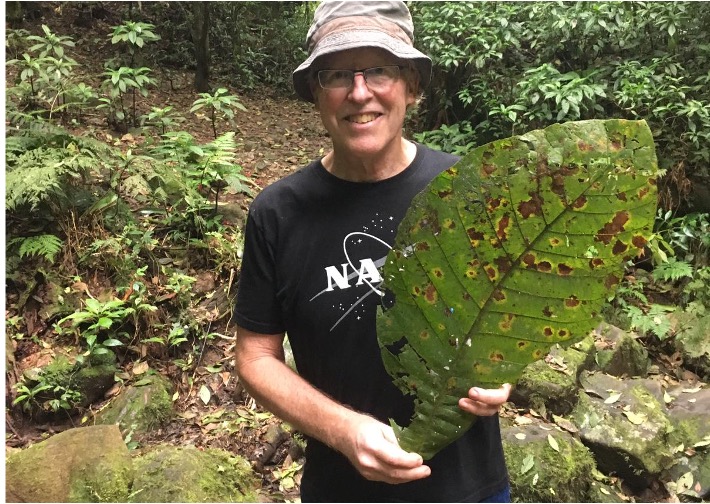
Andrew Liebhold

R.W. Moriarty Science Seminar Presents: Biogeographic and socioeconomic drivers of global insect invasions

Speaker: Andrew Liebhold, US Forest Service, Morgantown, WV

Biological invasions are largely an unintended consequence of globalization. With increasing mobility, humans have accidentally transported organisms around the world, breaking the geographical boundaries that separated species ranges that persisted for millions of years of evolution. Among animals, insects are the most numerous group of species, with thousands of insect species having been established outside of their native ranges and many of these species causing immense impacts on agriculture, human health and conservation of native ecosystems.

Here, we report on an analysis of historical insect invasions in 11 world regions. We use these data to compare frequencies of invasions among different insect orders and among different insect families. Certain groups, such as the Hemiptera, Formicidae and the Staphylinidae are generally over-represented in non-native insect assemblages, while other taxa are under-represented. These patterns generally reflect characteristics of these insects that cause them to enter important invasion pathways and biological characteristics that facilitate invasions. These results ultimately can be of use when conducting invasive pest risk analysis.

Register Now

  • Google Calendar
  • iCalendar
  • Outlook 365
  • Outlook Live

Details

Date:
November 22, 2021
Time:
12:00 pm - 1:00 pm
Event Tags:
RW Moriarty Science Seminars

Venue

Online

Event Navigation

  • « Nature Explorers
  • December Nature Crawl (21+) »

Tagged With: RW Moriarty Science Seminars

sidebar

About

  • Mission & Commitments
  • Directors Team
  • Museum History

Get Involved

  • Volunteer
  • Membership
  • Carnegie Discoverers
  • Donate
  • Employment
  • Events

Bring a Group

  • Groups of 10 or More
  • Birthday Parties at the Museum
  • Field Trips

Powdermill

  • Powdermill Nature Reserve
  • Powdermill Field Trips
  • Powdermill Staff
  • Research at Powdermill

More Information

  • Image Permission Requests
  • Science Stories
  • Accessibility
  • Shopping Cart
  • Contact
  • Visitor Policies
One of the Four Carnegie Museums | © Carnegie Institute | Privacy Policy | Terms of Use | Accessibility
Rad works here logo