• Skip to primary navigation
  • Skip to main content
  • Skip to primary sidebar

Carnegie Museum of Natural History

One of the Four Carnegie Museums of Pittsburgh

  • Visit
    • Buy Tickets
    • Visitor Information
    • Exhibitions
    • Events
    • Dining at the Museum
    • Celebrate at the Museum
    • Powdermill Nature Reserve
    • Event Venue Rental
  • Learn
    • Field Trips
    • Educator Information
    • Programs at the Museum
    • Bring the Museum to You
    • Guided Programs FAQ
    • Programs Online
    • Climate and Rural Systems Partnership
  • Research
    • Scientific Sections
    • Science Stories
    • Science Videos
    • Senior Science & Research Staff
    • Museum Library
    • Science Seminars
    • Scientific Publications
    • Specimen and Artifact Identification
  • About
    • Mission & Commitments
    • Directors Team
    • Museum History
  • Tickets
  • Give
  • Shop

Finding Insects in Fresh Snow

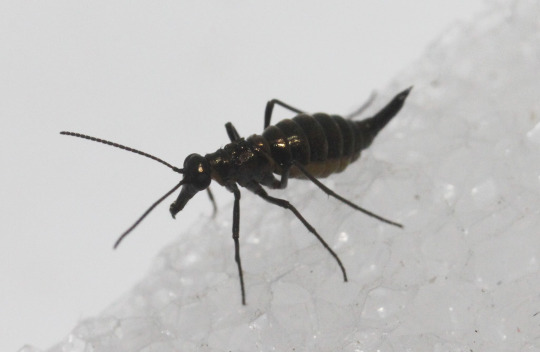
Female snow scorpionfly in the genus Boreus
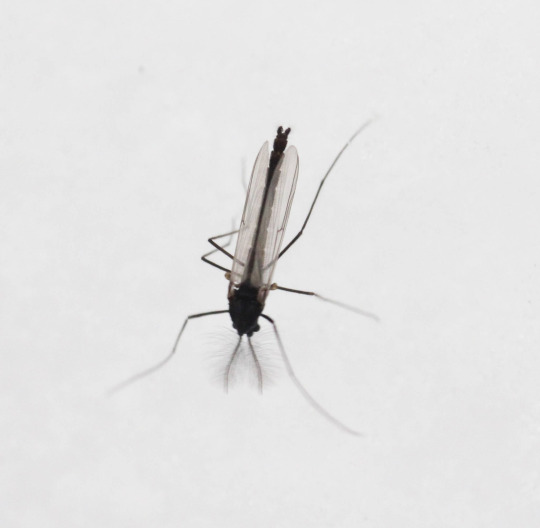
Midge


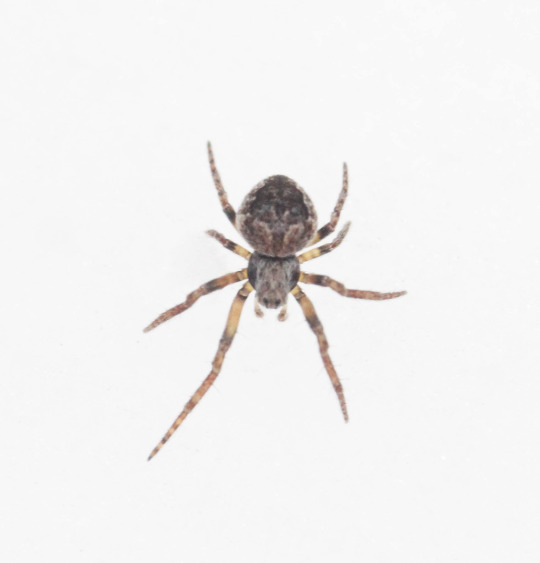
Orb weaver spider


by Andrea Kautz

Last month’s fresh snow and around-freezing temperatures provided a great opportunity for a couple of entomologists at Powdermill to go out in search of a unique group of insects that prefer colder weather.

You may not be aware of these snow-loving creatures because we do not usually think of insects as being very active in the winter; many enter diapause (similar to hibernation) or migrate. However, if you look very closely on the surface of the snow for small specks, you may find a variety of different insects and other arthropods.

Our search was quite successful. We found winter stoneflies, midges, gall wasps, a few different kinds of spiders, and our favorite, a pair of snow scorpionflies!

‘What’ you say? Scorpionflies are a group of insects named for the scorpion-like tail found on the males of warm-season species. The snow scorpionflies lack the tail, but still possess a long snout, which is a characteristic for the group. Females are wingless and have a protruding ovipositor, while males have wings that are reduced to forceps used for grasping the female during mating. Their diet consists of mosses and liverworts.

This was considered a “lifer” for both entomologists. What a cool find!
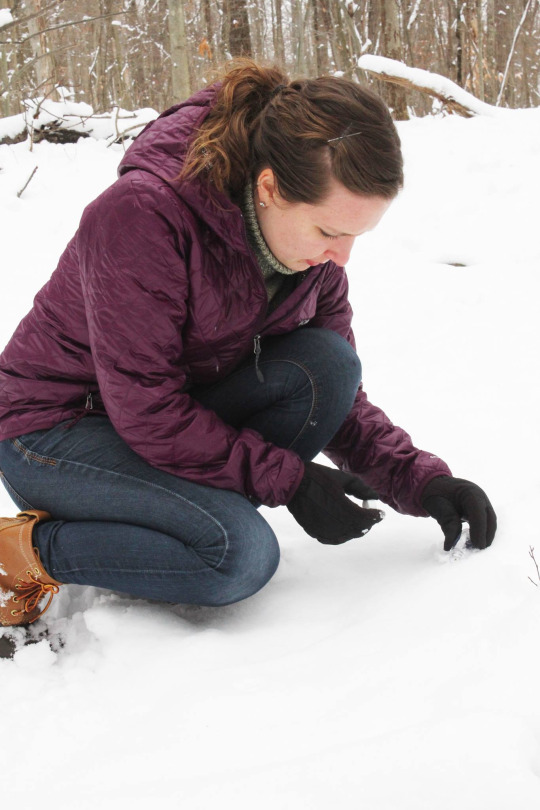
Andrea collecting insects crawling on the fresh snow


Andrea Kautz is a research entomologist at Carnegie Museum of Natural History’s Powdermill Nature Reserve. Museum employees are encouraged to blog about their unique experiences and knowledge gained from working for the museum.

sidebar

About

  • Mission & Commitments
  • Directors Team
  • Museum History

Get Involved

  • Volunteer
  • Membership
  • Carnegie Discoverers
  • Donate
  • Employment
  • Events

Bring a Group

  • Groups of 10 or More
  • Birthday Parties at the Museum
  • Field Trips

Powdermill

  • Powdermill Nature Reserve
  • Powdermill Field Trips
  • Powdermill Staff
  • Research at Powdermill

More Information

  • Image Permission Requests
  • Science Stories
  • Accessibility
  • Shopping Cart
  • Contact
  • Visitor Policies
One of the Four Carnegie Museums | © Carnegie Institute | Privacy Policy | Terms of Use | Accessibility
Rad works here logo