• Skip to primary navigation
  • Skip to main content
  • Skip to primary sidebar

Carnegie Museum of Natural History

One of the Four Carnegie Museums of Pittsburgh

  • Visit
    • Buy Tickets
    • Visitor Information
    • Exhibitions
    • Events
    • Dining at the Museum
    • Celebrate at the Museum
    • Powdermill Nature Reserve
    • Event Venue Rental
  • Learn
    • Field Trips
    • Educator Information
    • Programs at the Museum
    • Bring the Museum to You
    • Guided Programs FAQ
    • Programs Online
    • Climate and Rural Systems Partnership
  • Research
    • Scientific Sections
    • Science Stories
    • Science Videos
    • Senior Science & Research Staff
    • Museum Library
    • Science Seminars
    • Scientific Publications
    • Specimen and Artifact Identification
  • About
    • Mission & Commitments
    • Directors Team
    • Museum History
  • Tickets
  • Give
  • Shop

Fish Story

by Patrick McShea

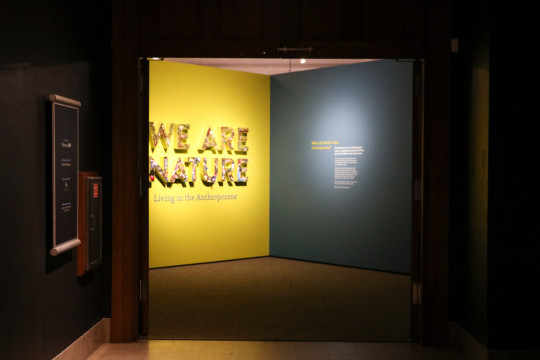
entrance to We Are Nature exhibition

Museum educators who helped interpret We Are Nature: Living in the Anthropocene during the ground-breaking exhibition’s ten-month run now pay close attention to explanations of Anthropocene-related themes. When exceptional examples are encountered, we feel compelled to share them.

Recently, in a New York Times article about how a decades-long decline in insect populations is now causing alarm, author Brooke Jarvis addresses the apparent invisibility of environmental degradation that occurs over generations.

She presents the term “shifting baseline syndrome” for the phenomenon, and by way of memorable example summarizes the results of an unusual research study from 2008.

Marine biologist Loren McClenachan, of the Scripps Institute of Oceanography, quantified the decline of fish associated with Florida Keys coral reefs by examining historic photos, 1956 – 2007, of the sportfishing customers and catches of three long established charter boat companies.

Although smiles remained consistent across the decades, prize fish got considerably smaller. As Jarvis notes in her summary, “The world never feels fallen, because we grow accustomed to the fall.”
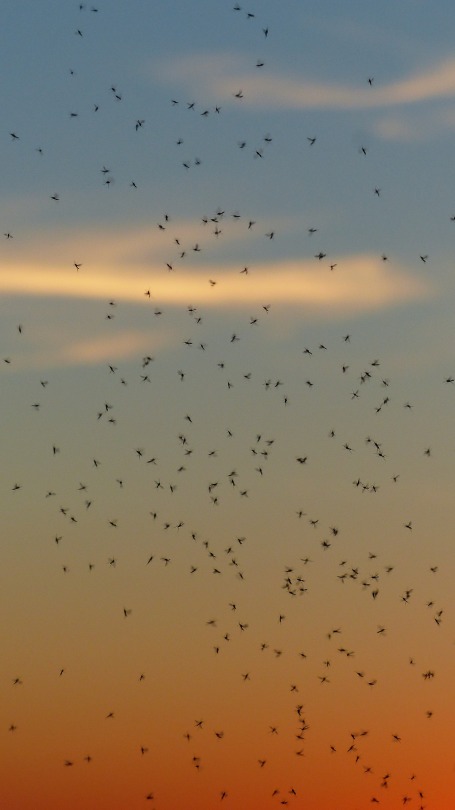
mosquitos at sunset - insect apocalypse

For more details, check out Brooke Jarvis’ full article, The Insect Apocalypse Is Here.

Patrick McShea works in the Education and Visitor Experience department of Carnegie Museum of Natural History. Museum employees are encouraged to blog about their unique experiences and knowledge gained from working at the museum.

Related Content

Fish and the Fourth of July?

Rising Through the Educator Ranks

Stage and Screen Sharing

Carnegie Museum of Natural History Blog Citation Information

Blog author: McShea, Patrick
Publication date: January 17, 2019

Share this post!

  • Share on Twitter Share on Twitter
  • Share on Facebook Share on Facebook
  • Share on Pinterest Share on Pinterest
  • Share on LinkedIn Share on LinkedIn
  • Share on Reddit Share on Reddit
  • Share via Email Share via Email

sidebar

About

  • Mission & Commitments
  • Directors Team
  • Museum History

Get Involved

  • Volunteer
  • Membership
  • Carnegie Discoverers
  • Donate
  • Employment
  • Events

Bring a Group

  • Groups of 10 or More
  • Birthday Parties at the Museum
  • Field Trips

Powdermill

  • Powdermill Nature Reserve
  • Powdermill Field Trips
  • Powdermill Staff
  • Research at Powdermill

More Information

  • Image Permission Requests
  • Science Stories
  • Accessibility
  • Shopping Cart
  • Contact
  • Visitor Policies
One of the Four Carnegie Museums | © Carnegie Institute | Privacy Policy | Terms of Use | Accessibility
Rad works here logo
