by Jenise Brown
City Nature Challenge (April 29-May 2, 2022) is coming soon! Going for a “color walk” is one fun and easy way to participate no matter where you live.
What is a color walk you might ask? Each time you go for a walk, pick a single color—maybe green, white, red, pink, yellow. As you are out, keep your color in mind and look for it in the wild, noting plants, animals, and fungi that you see. When you find one (or evidence of one that you can’t see!), take a picture, and upload it to iNaturalist.
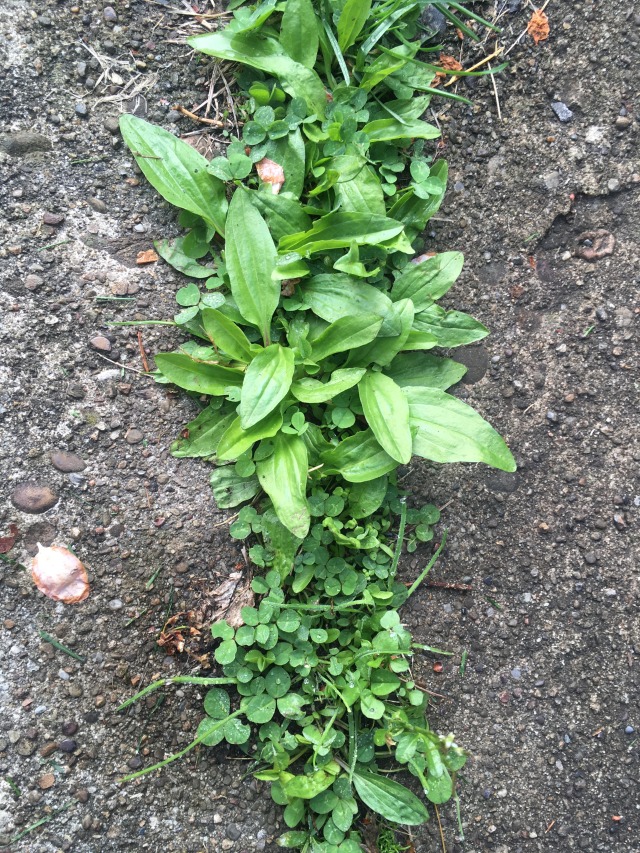
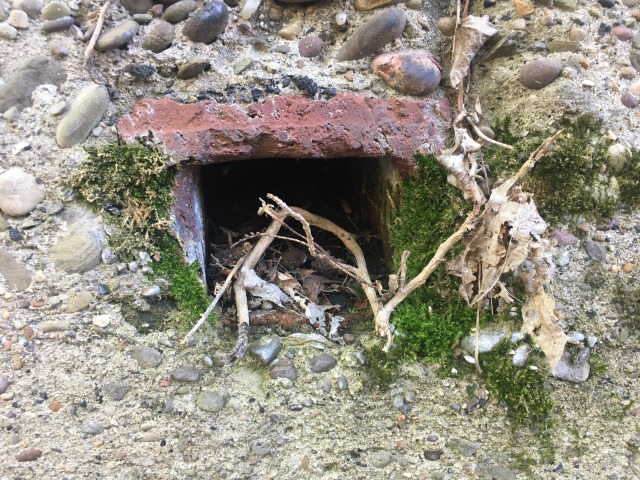
You’ll start to notice patterns among things you see in the color you’ve chosen, and you can make some hypotheses about the observations for each color, like what species you are likely to see in certain areas. Lots of plants are green, so a green color walk might help us to notice all of the plants that are around us, even in places like cracks in the sidewalk. Because the City Nature Challenge occurs during a season when Pittsburgh still experiences cold weather, this is probably the easiest color to find. In fact plants were the most common observations in Pittsburgh during the City Nature Challenge in 2020, with 9 of the top 10 observations being plants.
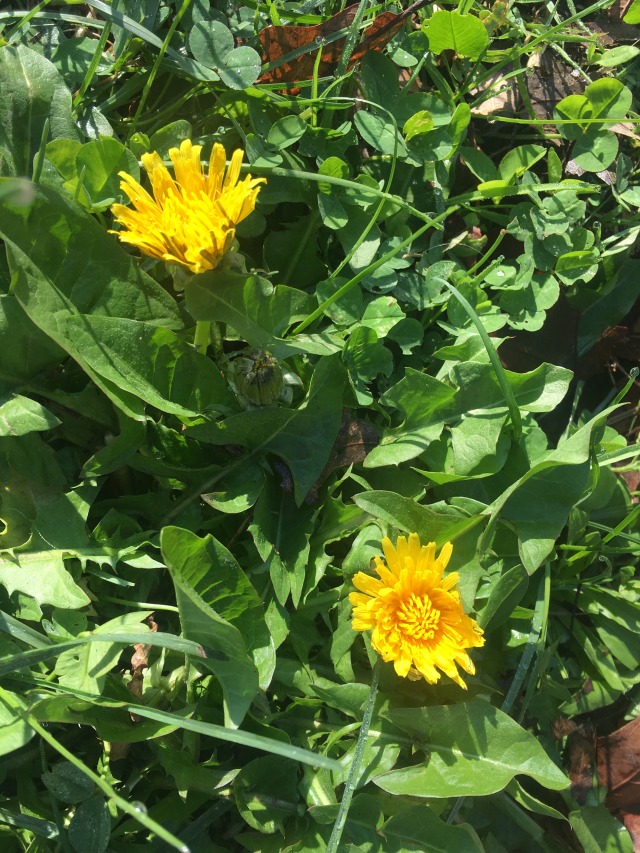
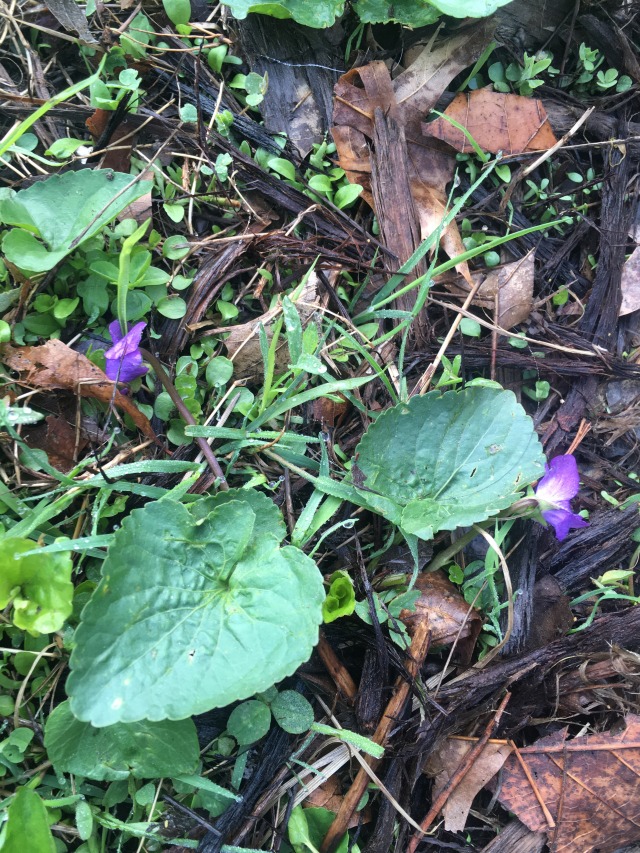
Yellow and purple are common colors in early spring flowers and might potentially switch your focus to exclusively flowering plants or even insects. City Nature Challenge tallies both the number of observations made and the species observed. Choosing one of these colors may help you to notice new and different species that you previously overlooked.
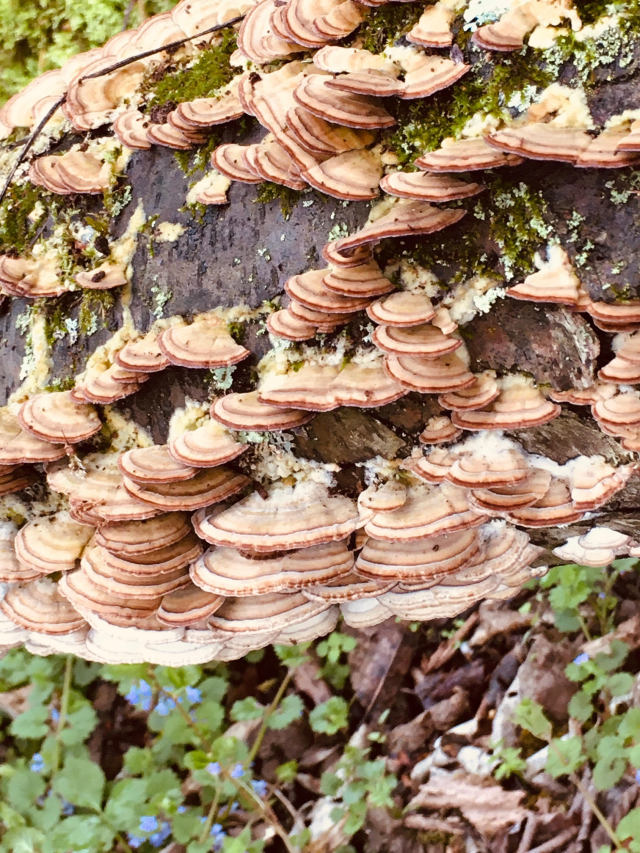
Don’t forget about the less flashy, but still abundant fungi. Orange, white, or even brown might help you to notice them growing on trees, dead wood, soil, and rocks. An added element to help find more fungi is to look for and pick up fallen branches and inspect stumps. You can read more about urban fungi observations in this NY Times article.
There’s no need to leave the city or even go to a park to have a great color walk! You can plan a route near where you live and repeat it multiple times, picking a different color each time. You might be surprised by all of the things you never noticed before right in your own neighborhood!
Jenise Brown is a Museum Educator with Carnegie Museum of Natural History. Museum staff, volunteers, and interns are encouraged to blog about their unique experiences and knowledge gained from working at the museum.
Related Content
Reading Results: CNC Final Phase 2021
Water Bears: Why My Yard Is Like the Moon
Carnegie Museum of Natural History Blog Citation Information
Blog author: Brown, JenisePublication date: April 26, 2021
Share this post!
