Last fall, when Akiima Price spoke to museum staff and visitors as part of the R.W. Moriarty Science Seminar series, the renowned environmental educator discussed the potential and the challenges of using nature-based experiences to help heal economically stressed families and communities.
The one-time National Park Service Ranger advised anyone who hoped to model her efforts to look for connections between seemingly disparate groups, topics, and situations. When Akiima invoked Harriet Tubman as a mentor, she helped identify a connection between the 19th Century historic figure and existing museum educational materials.
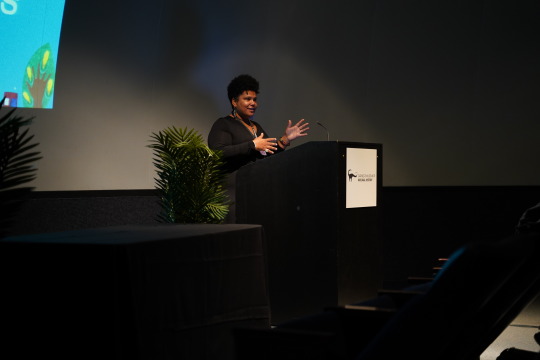
“Harriet Tubman was a naturalist!” Akiima stated. “She had to be!” A summary of Tubman’s most celebrated accomplishments followed – her escape from slavery in 1849, and her work over the next decade planning and guiding the successful escapes of dozens of other slaves. As Akiima explained, those multi-day journeys, across marshes and through forests, implied a deep working knowledge of tides, seasons, weather, wildlife, and plants.
The testimony led me to read more about Harriet Tubman and her success as a “conductor” on the Underground Railroad. Her understanding of the landscape apparently began at an early age. Several accounts mentioned how Tubman’s slave labor as a child on a tidewater Maryland farm included trapping muskrats in adjacent marshes, work performed barefoot, even in freezing weather.
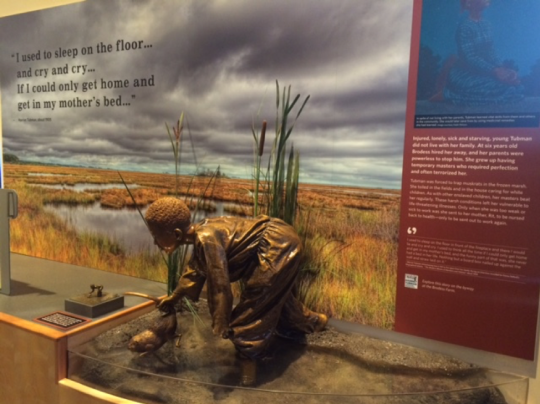
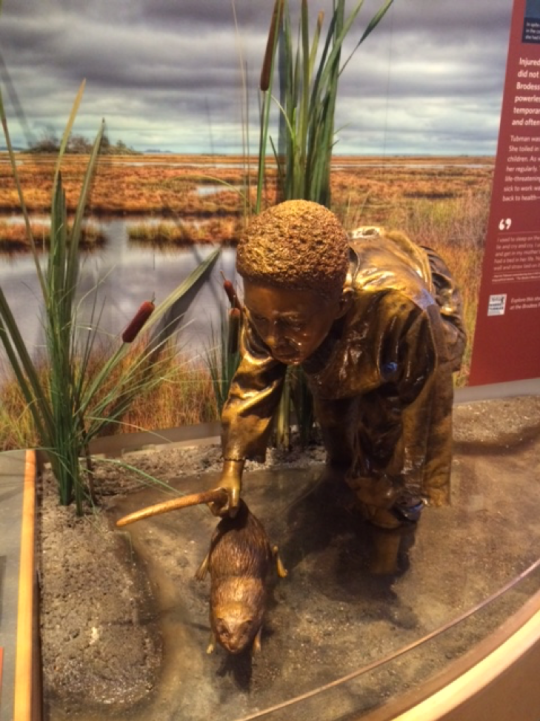
For the past two years, this forced work has been memorialized in a life-sized bronze sculpture within the Visitor Center of the Harriet Tubman Underground Railroad National Historic Park in Church Creek, Maryland.
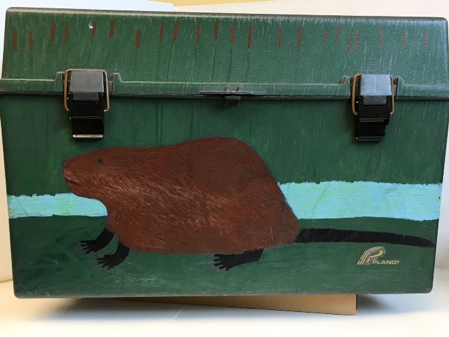
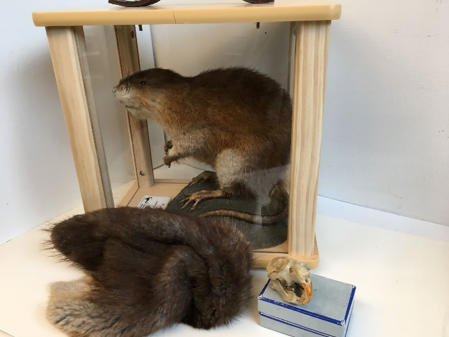
At Carnegie Museum of Natural History, a picture of the sculpture, along with information about Tubman and the park that commemorates her heroic accomplishments, now reside within the Muskrat Box of Educator Loan Collection. The additions do not diminish the unit’s traditional use. The muskrat taxidermy mount, skull, and pelt continue to help teachers present more effective lessons about mammal adaptations and wetland ecology. The new materials simply add an American history facet, a connection to a fearless woman’s struggle against the slavery system she was born into.
Patrick McShea works in the Education and Visitor Experience department of Carnegie Museum of Natural History. Museum employees are encouraged to blog about their unique experiences and knowledge gained from working at the museum.
