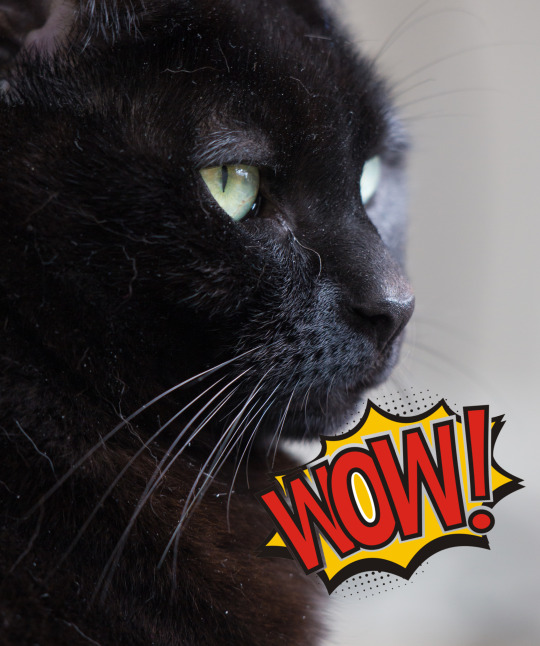
Boom! Pow! When you think of superheroes, who do you think of? Wonder Woman? Black Panther? Batman? Well, did you know that there’s a superhero you’ve likely met that might even live in your house? It’s a bird! It’s a plane! No, it’s a cat! Yup, that’s right…cats have superpowers!
My Feline Senses Are Tingling
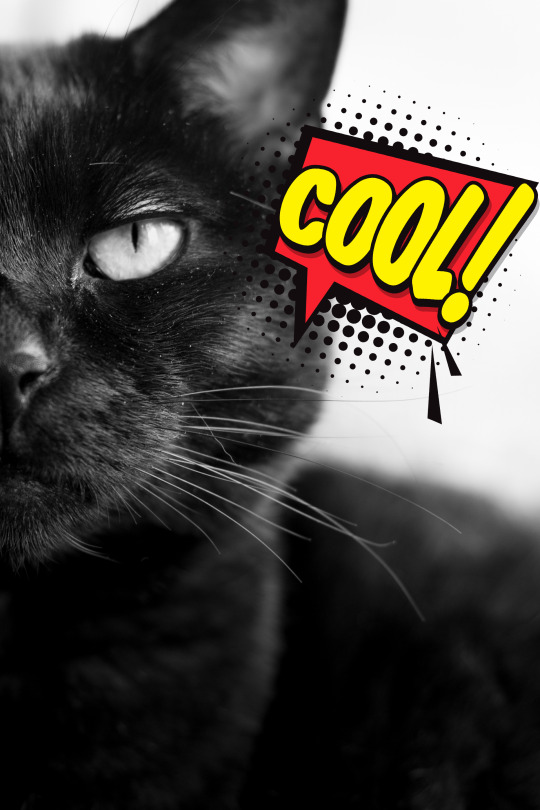
Cats can “see” what’s around them even in the dark, detect predators, and almost always land on their feet. How can cats do this? All of these superpowers are helped by a kind of radar you’ve seen right on their face – whiskers! Whiskers, also called vibrissae, are long, thick hairs that are packed with “super” nerves and are sensitive enough to detect even the slightest movements of air. At the end of each vibrissa is an organ which tells the cat about the position of its body and legs, helping them move stealthily and react quickly.
Mind Reading
Vibrissae on a cat can also act as a “cat-signal” to let people know what that cat is feeling. When a cat is relaxed, its whiskers will mostly be still and at rest. One “cat-signal” to watch out for are whiskers that are bunched together and lying flat on the cat’s face. In this case, the cat is telling you “back off” or “I’m scared” so you should give that cat some space – you don’t want that cat to “hulk out” on you! You can also tell when a cat is going into hunter-mode when its whiskers are pointed slightly forward.
Rule Number One
If you are the sidekick to a super-cat at home, you must remember one thing: never cut or trim your cat’s whiskers. Cutting a cat’s whiskers will leave them scared and disoriented. Whiskers can be shed and grown back naturally. So don’t mess with a cat’s whiskers! Hands off!
Secret Weapon
Did you know that cats have whiskers in places other than their nose? It’s true! Cats have whiskers above their eyes (like very long eyebrows), on their chin, and even on the back of their front legs! Whiskers on the back of a cat’s front legs help with catching and trapping prey. These vibrissae tell the cat whether their prey is struggling or trying to escape. It’s their secret weapon!
Imagine you could have the superpower of anything in nature. What power would you choose?
Night Vision
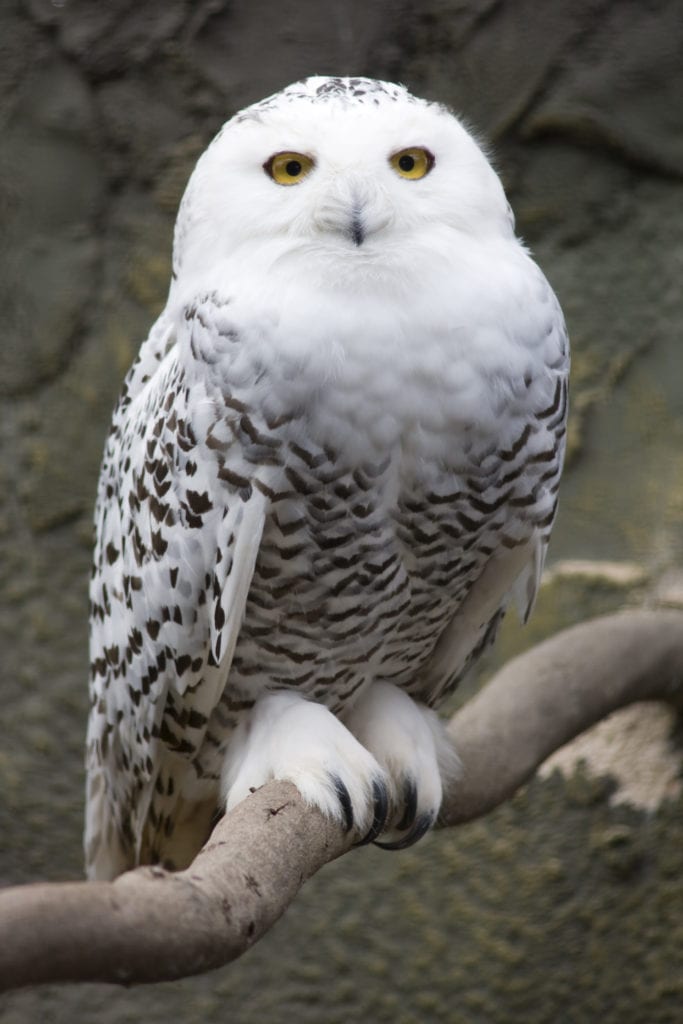
Owls can see well in the dark thanks to sensitive retinal rods and a layer of tissue in their eyes that reflects light. An owl’s eyes are so big, they can even take up 3% of its body weight!
Super-Smell
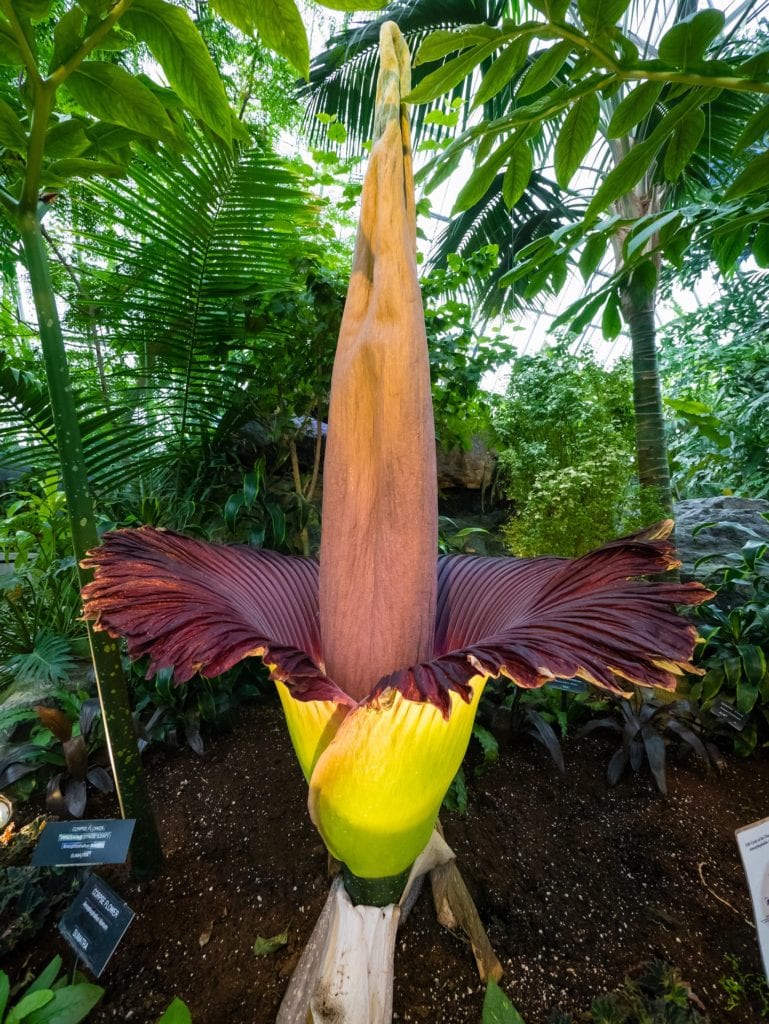
This absurd-looking plant is known by a dramatic name – the corpse flower. The reason for this name is the extremely foul odor that the flower emits when it blooms, which smells like a rotting corpse.
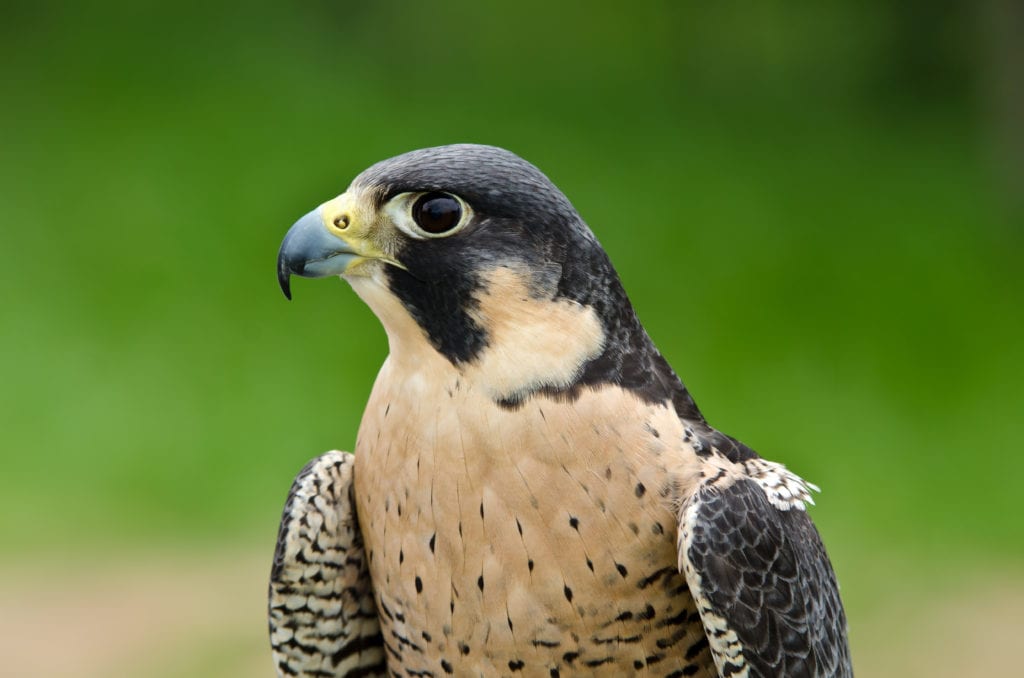
Lightning Speed
Peregrine Falcons are the world’s fastest animal. They can reach speeds of over 200 mph when going into a dive, making them especially deadly predators.
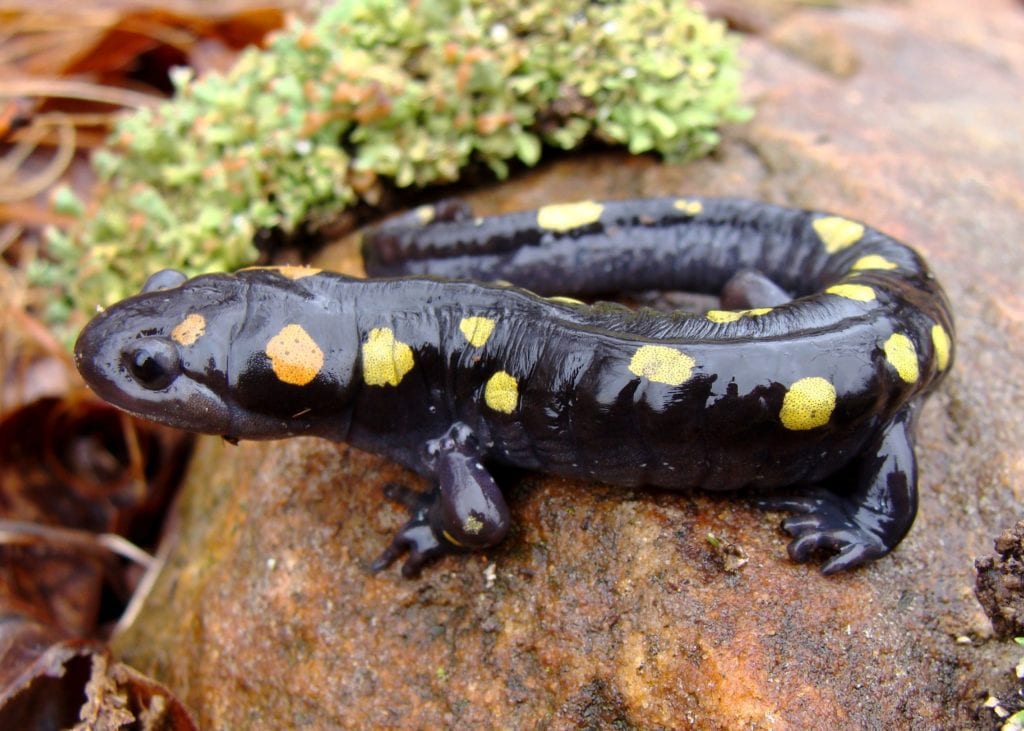
Regeneration
Did you know that salamanders can regrow entire limbs and even organs? A salamander might even sacrifice a tail or limb as a defense mechanism, knowing it can regrow it once the salamander gets to safety.
Explore nature together. Visit Nature 360 for activities and information.
Blog post by Melissa Cagan.
