• Skip to primary navigation
  • Skip to main content
  • Skip to primary sidebar

Carnegie Museum of Natural History

One of the Four Carnegie Museums of Pittsburgh

  • Visit
    • Buy Tickets
    • Visitor Information
    • Exhibitions
    • Events
    • Dining at the Museum
    • Celebrate at the Museum
    • Powdermill Nature Reserve
    • Event Venue Rental
  • Learn
    • Field Trips
    • Educator Information
    • Programs at the Museum
    • Bring the Museum to You
    • Guided Programs FAQ
    • Programs Online
    • Climate and Rural Systems Partnership
  • Research
    • Scientific Sections
    • Science Stories
    • Science Videos
    • Senior Science & Research Staff
    • Museum Library
    • Science Seminars
    • Scientific Publications
    • Specimen and Artifact Identification
  • About
    • Mission & Commitments
    • Directors Team
    • Museum History
  • Tickets
  • Give
  • Shop

Is Plastic Natural?

By Rachael Carlberg

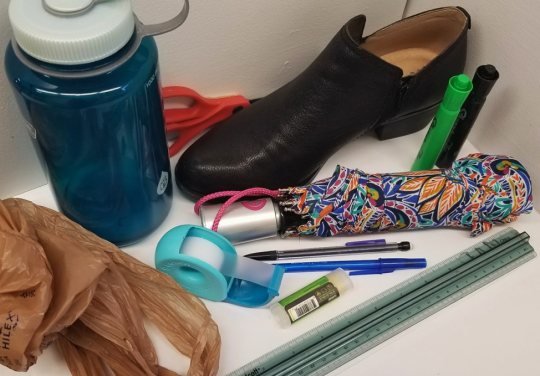
Items made with plastic: water bottle, shoe, scissors, umbrella, pens, chapstick, grocery bag, tape dispenser.

Nothing seems more man-made than plastic.  It surrounds us everywhere, indoors and out. How many of the things around you right now have plastic in them?  Do your clothes, electronic devices, furniture, and other everyday objects have plastic parts?  All of us can answer “yes” to that.  At first thought, the only connection plastic has with nature is that it often mistakenly ends up in nature.  So does plastic have any connection to the earth besides the one that humans so frequently create by creating waste?

What many of us don’t realize is that the production of plastic has beginnings in nature.  To begin making plastic, companies harvest crude oil, a naturally occurring fossil fuel from the earth.  That oil (or sometimes natural gas) is converted through different processes into chemicals that are used to make products we recognize and rely upon.

It may seem unlikely that plastic, which looks and feels like it should have no connection to nature, has its beginnings in natural substances.  But, like many other aspects of our lives, it is intertwined with and dependent on nature for its existence.

As an intern in the Education department of Carnegie Museum of Natural History, Rachael Carlberg wrote blog posts related to ideas presented in We Are Nature. Museum employees are encouraged to blog about their unique experiences of working at the museum.

sidebar

About

  • Mission & Commitments
  • Directors Team
  • Museum History

Get Involved

  • Volunteer
  • Membership
  • Carnegie Discoverers
  • Donate
  • Employment
  • Events

Bring a Group

  • Groups of 10 or More
  • Birthday Parties at the Museum
  • Field Trips

Powdermill

  • Powdermill Nature Reserve
  • Powdermill Field Trips
  • Powdermill Staff
  • Research at Powdermill

More Information

  • Image Permission Requests
  • Science Stories
  • Accessibility
  • Shopping Cart
  • Contact
  • Visitor Policies
One of the Four Carnegie Museums | © Carnegie Institute | Privacy Policy | Terms of Use | Accessibility
Rad works here logo