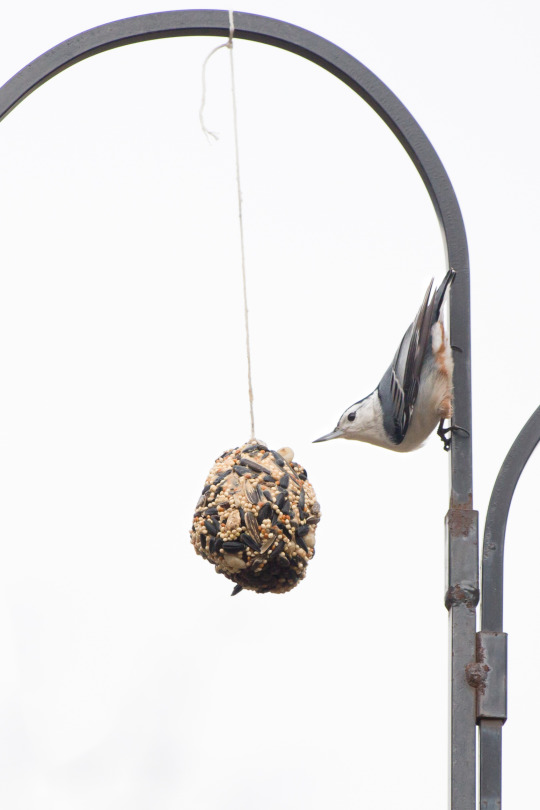
Homemade bird feeders are a great way to attract many birds to your yard this winter…even when it seems like all the animals have disappeared!
What You’ll Need:
· Large pinecones
· String, wire, or pipe cleaners
· Peanut butter or vegetable shortening
· 2 plates
· Scissors
· Butter knife
· Store-bought or homemade* birdseed
*We recommend visiting https://feederwatch.org/learn/feeding-birds/#food-types for pointers on what seeds to use or avoid.
Directions:
1. Gather large pinecones with open scales. Explore your backyard or find a nearby hiking trail. This is a great opportunity to go on an adventure with your friends or family!
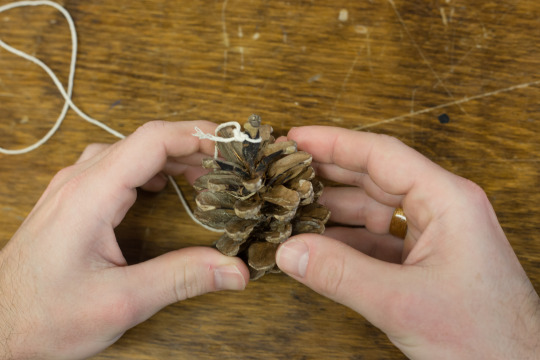
2. Attach string, wire, or pipe cleaner to the top of the pinecone. Make sure your string or wire is long enough to tie and hang from a high point. You can use one attachment around the tip of the cone or you can tie two attachments to two different scales below the tip of the pinecone. Do this first! Your cone will get very messy and it will be hard to attach anything after you’ve rolled your pinecones in seed.
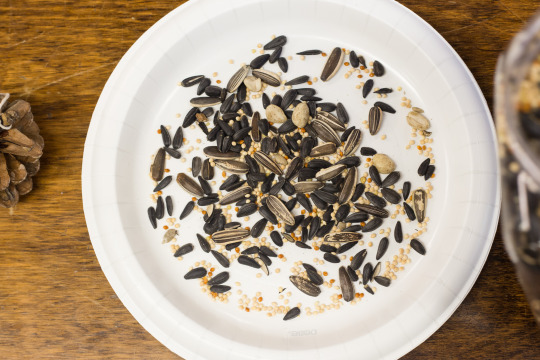
3. Pour your bird seed onto a plate. If you’re using a homemade mix, try mixing the different nuts and seeds together in a bowl before you pour them onto a plate.
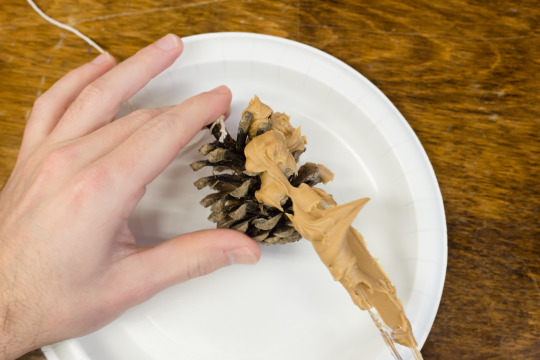
4. Get ready to get messy! Spread peanut butter or shortening all over a pinecone using a butter knife. Make sure you get your “glue” in all the creases and crannies.
5. Next, roll your sticky pinecone on your plate of seeds. Press down and roll back and forth until the pinecone is mostly covered in your seed mixture. Sprinkle more seeds in any areas that have been missed and roll one more time.
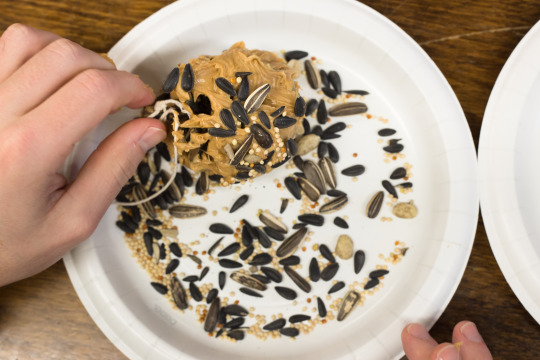
6. When you’re happy with how the pinecone looks, place it on a plate to rest while you finish the rest of your pinecones. Repeat steps 4 and 5 with all the pinecones you want to make.
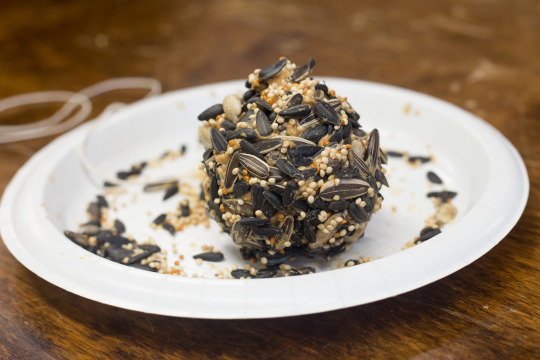
7. Finally, go outside and look for places to hang your new birdfeeders! Good places to hang your cones are on tree branches, the edges of buildings, or poles. It might be impossible to keep squirrels away from your pinecone, but hang your feeder high enough so that cats, dogs, and other animals can’t reach it. You may need to tie extra string, wire, or pipe cleaners to your feeder to reach high enough. Pick places that are easy for you to observe but are far enough away from a window that birds don’t hurt themselves by flying into windows!
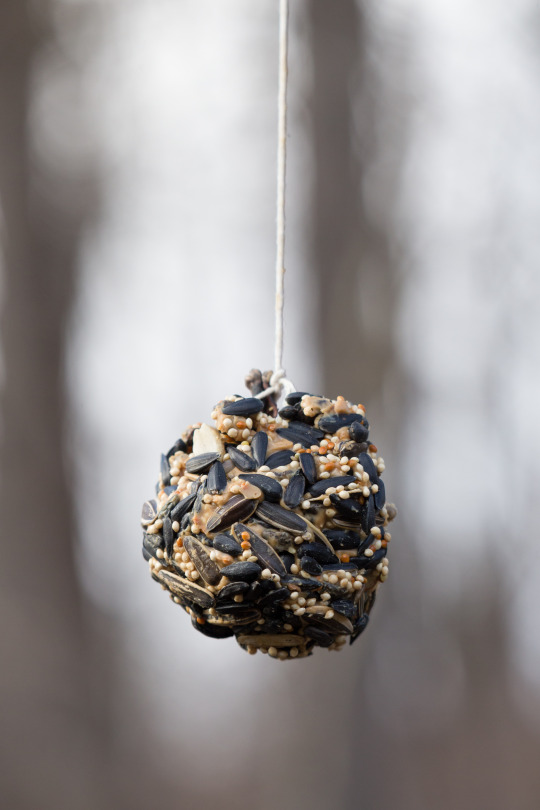
After you’ve made and hung your homemade bird feeders, take time every day to watch and see what kinds of birds come to snack! Make observations and sketches in your handy nature notebook. Are different birds visiting at different times of the day? What birds are attracted to the type of seed you used? What birds do you see more often than others? When you see a bird you don’t recognize, use a bird guide like the Merlin ID mobile app and, if you can, take a picture!
Visit https://feederwatch.org/ to see how sharing your observations can help scientists learn more about birds visiting feeders.
Now You See(d) It: The type of seeds you use in your birdfeeder can determine how many birds come to visit and what kinds. Over 20 different types of seeds are often sold as birdseed! To attract a diverse population of birds, try using a wide assortment of seeds.
Explore nature together. Visit Nature 360 for activities and information.
Blog post by Melissa Cagan and Rachel Carlberg.
