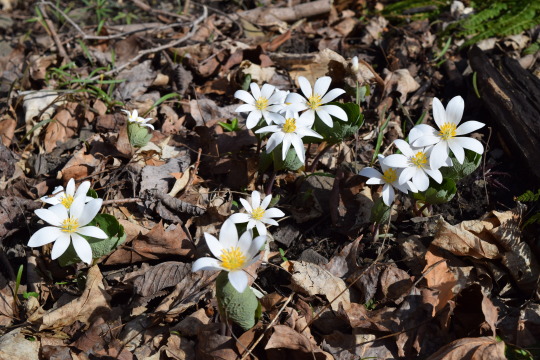
What exactly is a wildflower? Well, that depends who you ask!
Wildflowers in the broadest sense are any flowering plants growing naturally outside of gardens. These could include trees, shrubs, and non-woody (herbaceous) plants. However, most people tend to think of herbaceous plants with showy blooms. Wildflowers are present all year long, but they are exceptionally noticeable during the spring. For most plants, spring is a time of new growth. Our landscape blossoms with new life, both figuratively and literally.
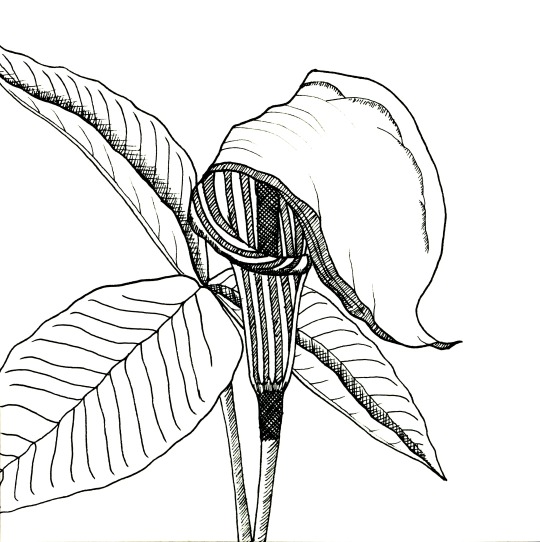
I can state without reservation that scientists in the Section of Botany love wildflowers of all types, sizes, shapes, colors, and smells. I have fallen in love with forest wildflowers. My research is largely focused on wildflower diversity in the understory in our woods, which is collectively known as the herbaceous layer. Though comprised of plants of diminutive size, the collective role of the herbaceous layer in forest ecosystems is immense. In fact, this layer comprises the most plant diversity in forests, ranging from two to ten times more species than in the overstory!
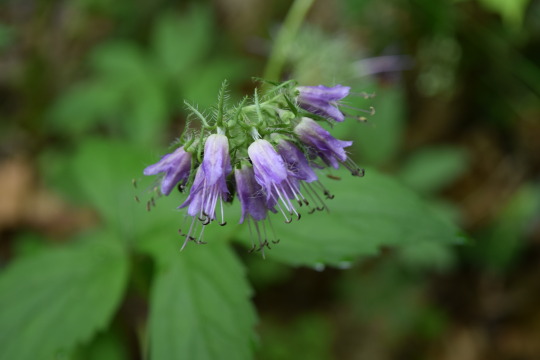
Forest wildflowers in our deciduous forests have diverse strategies, all of which depend upon the timing of when leaves and flowers are produced. Most fit into one of three categories based upon their growth strategy. “Spring ephemerals” include plants that produce leaves and flower early in the spring, completing their aboveground activity before being shaded out by trees. “Summer-greens” include plants that produce leaves and flower just before or around when overstory tree canopies begin to produce leaves. These plants keep their leaves late into summer. Finally, other species have leaves year-round and can legitimately be termed “evergreen.”
Mason Heberling is Assistant Curator of Botany at Carnegie Museum of Natural History. Museum employees are encouraged to blog about their unique experiences and knowledge gained from working at the museum.
