• Skip to primary navigation
  • Skip to main content
  • Skip to primary sidebar

Carnegie Museum of Natural History

One of the Four Carnegie Museums of Pittsburgh

  • Visit
    • Buy Tickets
    • Visitor Information
    • Exhibitions
    • Events
    • Dining at the Museum
    • Celebrate at the Museum
    • Powdermill Nature Reserve
    • Event Venue Rental
  • Learn
    • Field Trips
    • Educator Information
    • Programs at the Museum
    • Bring the Museum to You
    • Guided Programs FAQ
    • Programs Online
    • Climate and Rural Systems Partnership
  • Research
    • Scientific Sections
    • Science Stories
    • Science Videos
    • Senior Science & Research Staff
    • Museum Library
    • Science Seminars
    • Scientific Publications
    • Specimen and Artifact Identification
  • About
    • Mission & Commitments
    • Directors Team
    • Museum History
  • Tickets
  • Give
  • Shop

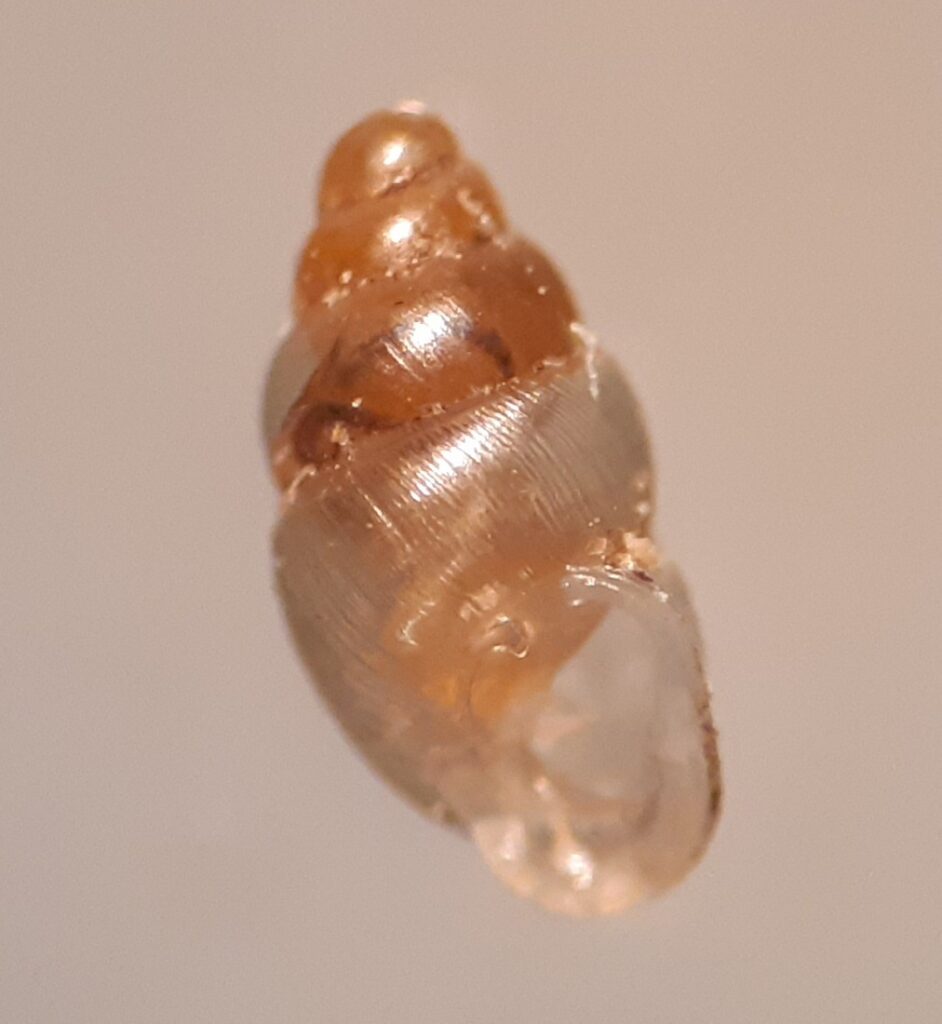
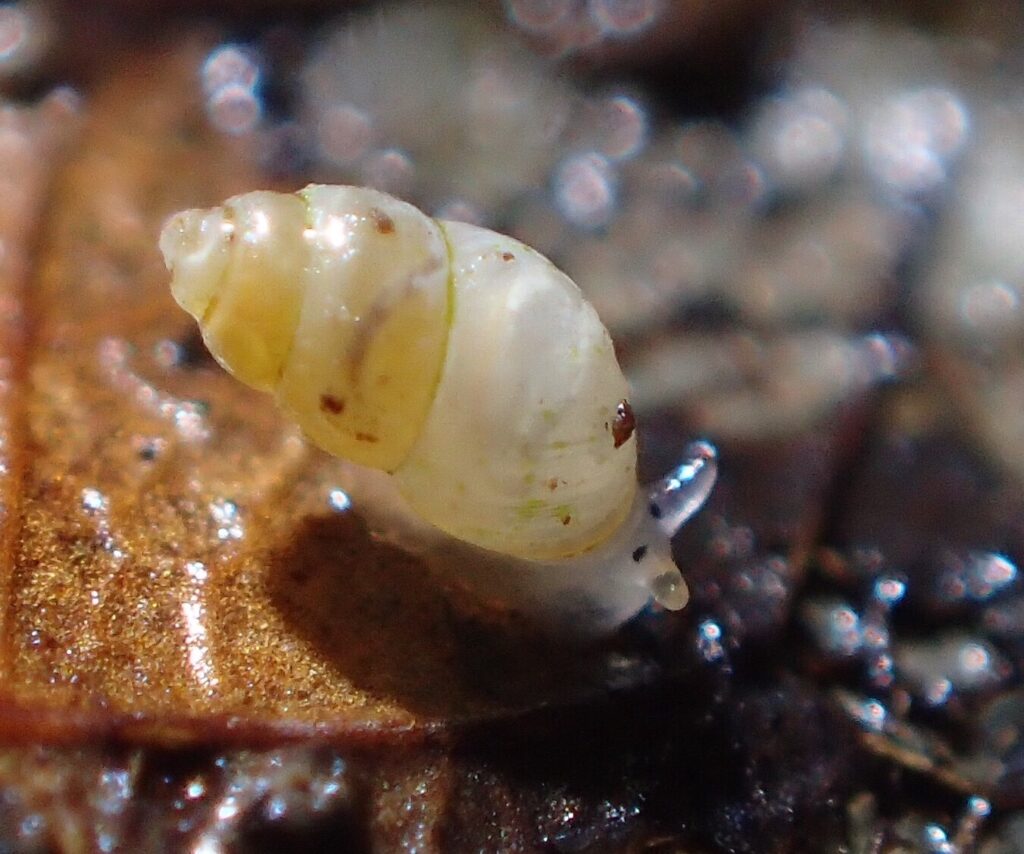
Carychium minimum

Image Usage Information
  • berneska
  • CC BY-NC 4.0 DEED
  • Additional information about this specimen

Image Usage Information

  • Alex Bairstow
  • CC BY-NC 4.0 DEED
  • Additional information about this specimen

Family: Ellobiidae

Common name: Herald Thorn

Discovery: Müller, 1774

Non-native

Identification

Width: 0.9 mm
Height: 1.6-1.9 mm
Whorls: ~4.5 mm

This Eurasian thorn has a relatively fatter shell than its native North American congeners. The glossy shell of Carychium minimum is nearly transparent and colorless (Kerney and Cameron, 1979). Its peristome is thickened and bears three denticles, though only the parietal denticle is pronounced.

Ecology

This tiny and fragile animal is a blind leaf litter denizen, like others in its genus. It has an affinity for wet places – damp forests and marshes (Kerney and Cameron, 1979).

Taxonomy

No synonyms are known for this species.

Distribution

There are scattered records for this Eurasian species across North America. In the Northeast are some early records, but also several recent finds in the Pittsburgh, PA area by Tim Pearce, and in wet areas near Ithaca, NY by Weigand and Jochum (2010). Though some records are from greenhouses or nearby, Carychium minimum may be more frequent and naturalized in North American than records indicate (Weigand and Jochum, 2010).

Conservation

NatureServe Global Rank: G5, secure

sidebar

About

  • Mission & Commitments
  • Directors Team
  • Museum History

Get Involved

  • Volunteer
  • Membership
  • Carnegie Discoverers
  • Donate
  • Employment
  • Events

Bring a Group

  • Groups of 10 or More
  • Birthday Parties at the Museum
  • Field Trips

Powdermill

  • Powdermill Nature Reserve
  • Powdermill Field Trips
  • Powdermill Staff
  • Research at Powdermill

More Information

  • Image Permission Requests
  • Science Stories
  • Accessibility
  • Shopping Cart
  • Contact
  • Visitor Policies
One of the Four Carnegie Museums | © Carnegie Institute | Privacy Policy | Terms of Use | Accessibility
Rad works here logo