• Skip to primary navigation
  • Skip to main content
  • Skip to primary sidebar

Carnegie Museum of Natural History

One of the Four Carnegie Museums of Pittsburgh

  • Visit
    • Buy Tickets
    • Visitor Information
    • Exhibitions
    • Events
    • Dining at the Museum
    • Celebrate at the Museum
    • Powdermill Nature Reserve
    • Event Venue Rental
  • Learn
    • Field Trips
    • Educator Information
    • Programs at the Museum
    • Bring the Museum to You
    • Guided Programs FAQ
    • Programs Online
    • Climate and Rural Systems Partnership
  • Research
    • Scientific Sections
    • Science Stories
    • Science Videos
    • Senior Science & Research Staff
    • Museum Library
    • Science Seminars
    • Scientific Publications
    • Specimen and Artifact Identification
  • About
    • Mission & Commitments
    • Directors Team
    • Museum History
  • Tickets
  • Give
  • Shop

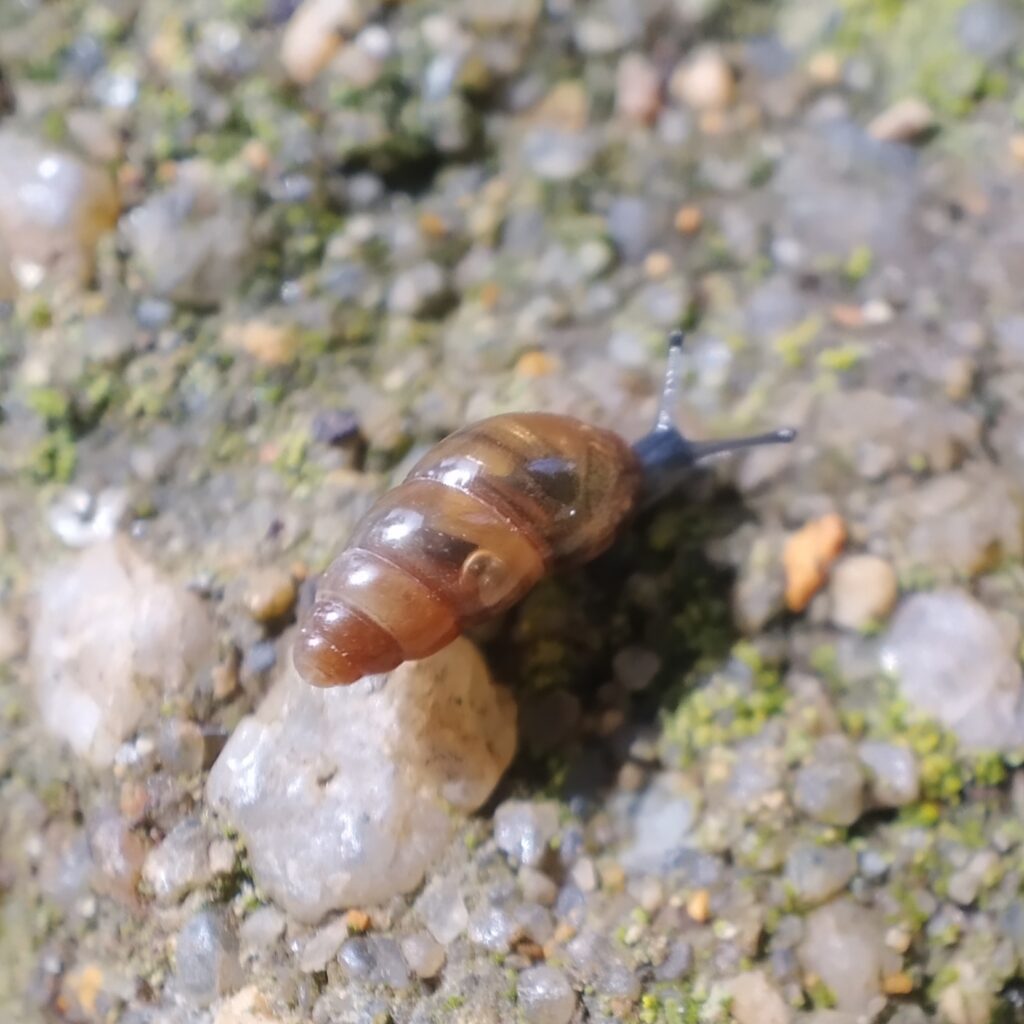
Cochlicopa lubricella

View of thin pillar from the back, spire closest to viewer, showing elongated shell with small silvery head coming from aperture

Image Usage Information
  • Guilherme Ramos
  • CC BY-NC 4.0 DEED
  • Additional information about this specimen
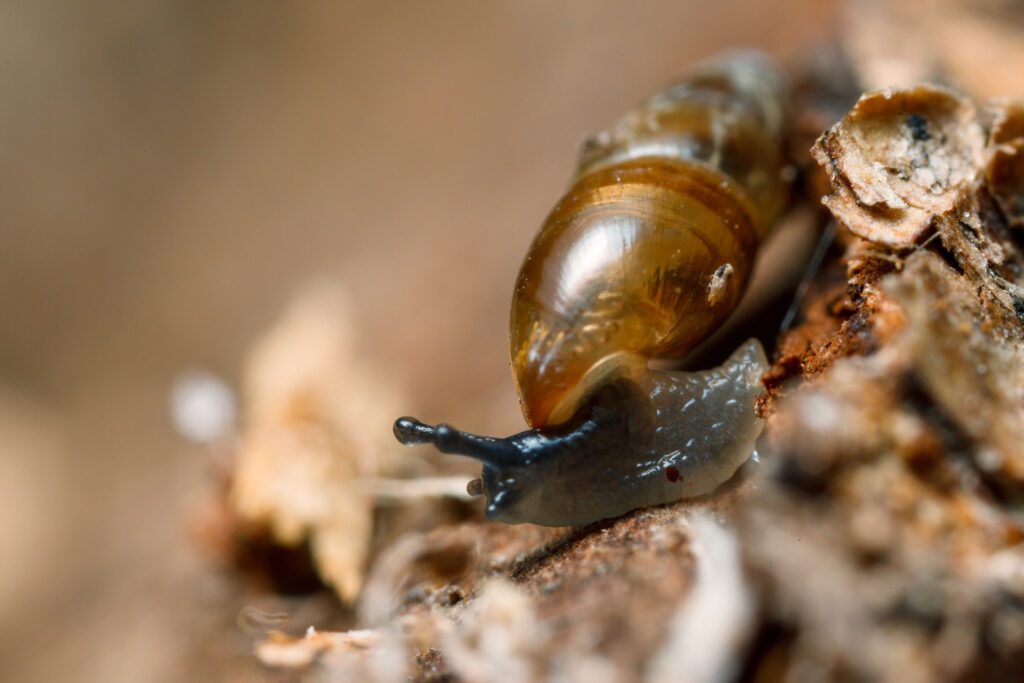
Thin pillar profile view of head and eyestalks

Image Usage Information

  • Pekka Malinen
  • CC BY-NC-SA 4.0 DEED
  • Additional information about this specimen

Family: Cionellidae

Common name: Thin Pillar

Discovery: Porro, 1838

Identification

Width: 2.1-2.5 mm
Height: 4.5- 6.8 mm
Whorls: 5+

The elongate shell of this animal is small, yellowish-brown, and sometimes has a rosy lip color. It is smaller and more cylindrical than C. lubrica, though there may be some size overlap.

Ecology

Cochlicopa lubricella can occur in colonies on developed sites, sometimes on lawns and around driveways. Densities may reach dozens per square meter. It is sometimes reported with C. lubrica, noting that the two are taxonomically very similar. However, C. lubricella tends to favor richer and drier habitats (Kerney & Cameron, 1979). In Maine it occurs scattered in a variety of forest habitats (Nekola, 2008).

Taxonomy

Cochlicopa lubricella has also been known as Cionella lubricella.

Distribution

Cochlicopa lubricella is introduced from Europe. In North America it ranges across southeastern Canada and the Northeastern and Midwestern United States, reported as far west as South Dakota. Its distribution in Virginia is patchy and poorly known.

Conservation

NatureServe Global Rank: G5, Secure.

Author: Ken Hotopp, Meegan Winslow
Publication date: 9/2012

sidebar

About

  • Mission & Commitments
  • Directors Team
  • Museum History

Get Involved

  • Volunteer
  • Membership
  • Carnegie Discoverers
  • Donate
  • Employment
  • Events

Bring a Group

  • Groups of 10 or More
  • Birthday Parties at the Museum
  • Field Trips

Powdermill

  • Powdermill Nature Reserve
  • Powdermill Field Trips
  • Powdermill Staff
  • Research at Powdermill

More Information

  • Image Permission Requests
  • Science Stories
  • Accessibility
  • Shopping Cart
  • Contact
  • Visitor Policies
One of the Four Carnegie Museums | © Carnegie Institute | Privacy Policy | Terms of Use | Accessibility
Rad works here logo
