• Skip to primary navigation
  • Skip to main content
  • Skip to primary sidebar

Carnegie Museum of Natural History

One of the Four Carnegie Museums of Pittsburgh

  • Visit
    • Buy Tickets
    • Visitor Information
    • Exhibitions
    • Events
    • Dining at the Museum
    • Celebrate at the Museum
    • Powdermill Nature Reserve
    • Event Venue Rental
  • Learn
    • Field Trips
    • Educator Information
    • Programs at the Museum
    • Bring the Museum to You
    • Guided Programs FAQ
    • Programs Online
    • Climate and Rural Systems Partnership
  • Research
    • Scientific Sections
    • Science Stories
    • Science Videos
    • Senior Science & Research Staff
    • Museum Library
    • Science Seminars
    • Scientific Publications
    • Specimen and Artifact Identification
  • About
    • Mission & Commitments
    • Directors Team
    • Museum History
  • Tickets
  • Give
  • Shop

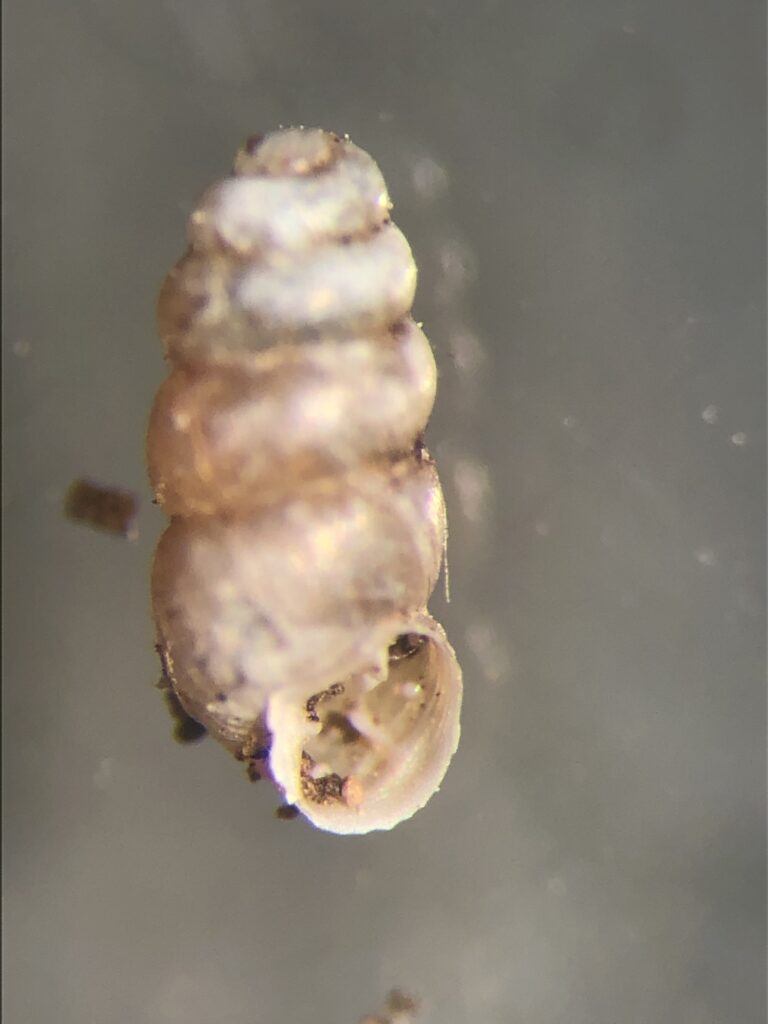
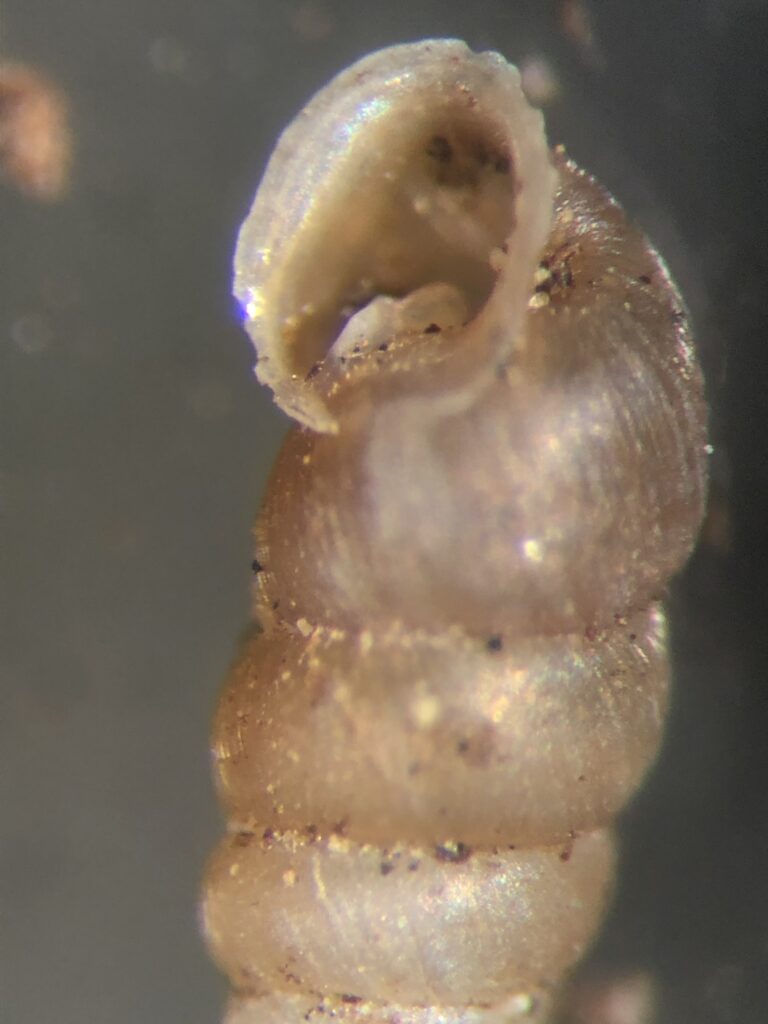
Gastrocopta cristata

Image Usage Information

  • Howard Horne
  • CC BY-NC 4.0 DEED
  • Additional information about this specimen

Family: Gastrocoptidae

Common name: Crested Snaggletooth

Discovery: Pilsbry and Vanatta, 1900

Identification

Height: ~2.8 mm
Width: ~1.2 mm
Whorls: 5

Gastrocopta cristata is brownish and has a simple, peg-shaped angulo-parietal lamella at the top of the aperture, with only a faint hint of an angular lobe.

Ecology

In the southern Plains this species is mostly restricted to sandy floodplains. Farther west, populations occur in thin leaf litter accumulations on more xeric sites (Pilsbry, 1948; Bequaert and Miller, 1973; Hubricht, 1985). Gastrocopta cristata can also be common in disturbed, anthropogenic habitats, such as yards under juniper plantings and in turf near irrigation sources (Nekola & Coles, 2010).

Taxonomy

A synonym for this animal’s name is Bifidaria procera cristata.

Distribution

Gastrocopta cristata is primarily a southwestern animal, occurring from Arkansas and Texas west through southern Kansas to the deserts of New Mexico and Arizona (Bequaert & Miller, 1973; Nekola & Coles, 2010). It appears to be introduced in the east, where it is generally limited to the Delmarva Peninsula (Hubricht, 1985). In Virginia this species has also been found in an abandoned limestone quarry west of the Blue Ridge, suggesting that populations have been migrating inland along either railroad right of ways or perhaps roadside verges

Conservation

NatureServe Global Rank: G5, Secure.

sidebar

About

  • Mission & Commitments
  • Directors Team
  • Museum History

Get Involved

  • Volunteer
  • Membership
  • Carnegie Discoverers
  • Donate
  • Employment
  • Events

Bring a Group

  • Groups of 10 or More
  • Birthday Parties at the Museum
  • Field Trips

Powdermill

  • Powdermill Nature Reserve
  • Powdermill Field Trips
  • Powdermill Staff
  • Research at Powdermill

More Information

  • Image Permission Requests
  • Science Stories
  • Accessibility
  • Shopping Cart
  • Contact
  • Visitor Policies
One of the Four Carnegie Museums | © Carnegie Institute | Privacy Policy | Terms of Use | Accessibility
Rad works here logo