• Skip to primary navigation
  • Skip to main content
  • Skip to primary sidebar

Carnegie Museum of Natural History

One of the Four Carnegie Museums of Pittsburgh

  • Visit
    • Buy Tickets
    • Visitor Information
    • Exhibitions
    • Events
    • Dining at the Museum
    • Celebrate at the Museum
    • Powdermill Nature Reserve
    • Event Venue Rental
  • Learn
    • Field Trips
    • Educator Information
    • Programs at the Museum
    • Bring the Museum to You
    • Guided Programs FAQ
    • Programs Online
    • Climate and Rural Systems Partnership
  • Research
    • Scientific Sections
    • Science Stories
    • Science Videos
    • Senior Science & Research Staff
    • Museum Library
    • Science Seminars
    • Scientific Publications
    • Specimen and Artifact Identification
  • About
    • Mission & Commitments
    • Directors Team
    • Museum History
  • Tickets
  • Give
  • Shop

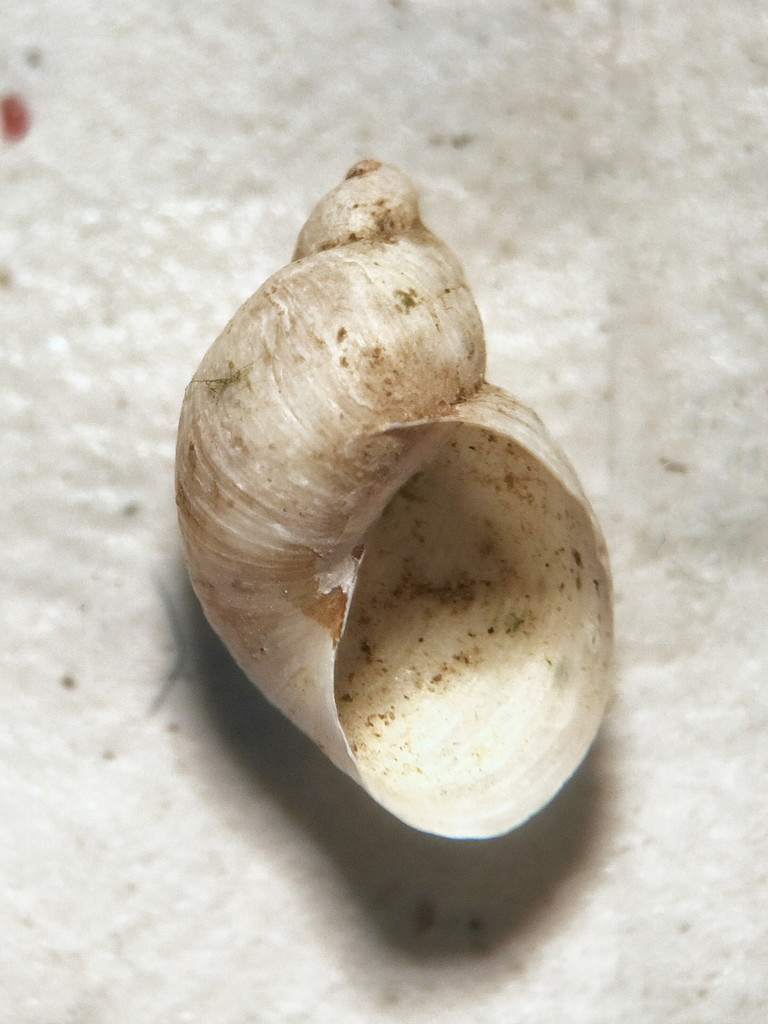
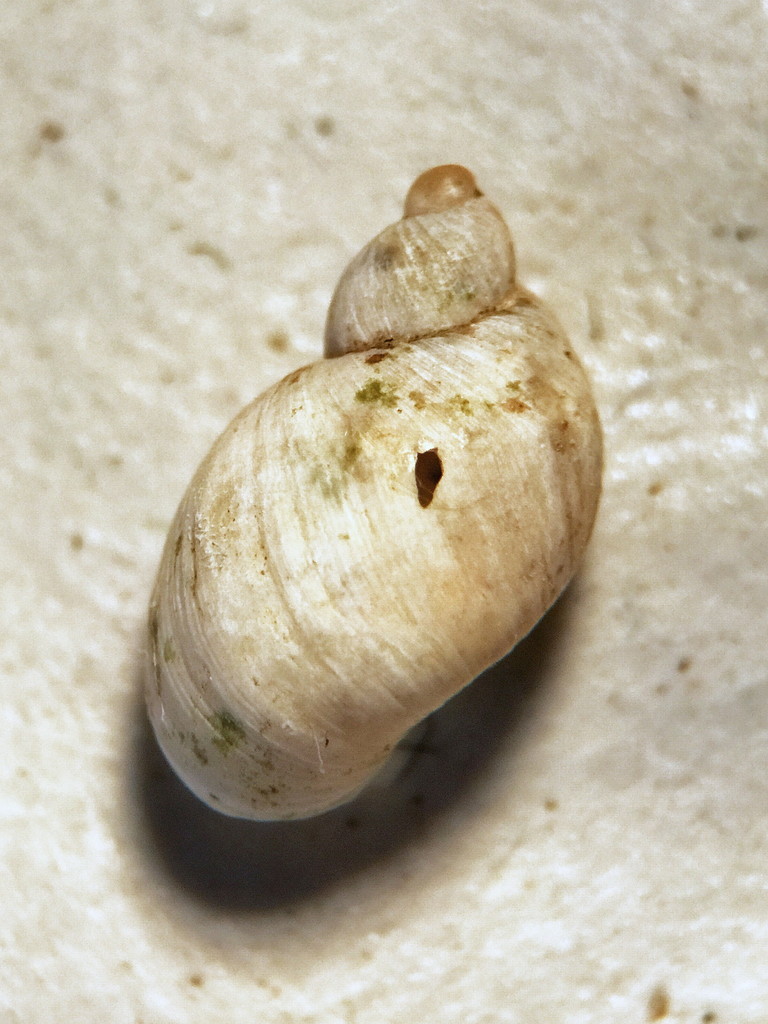
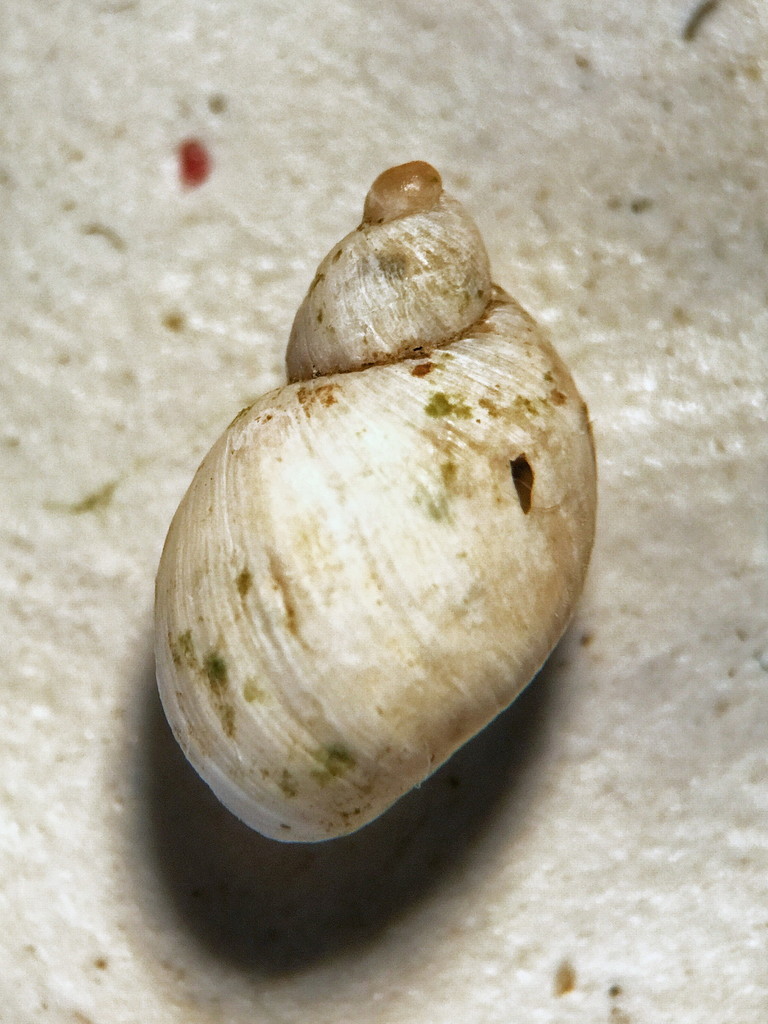
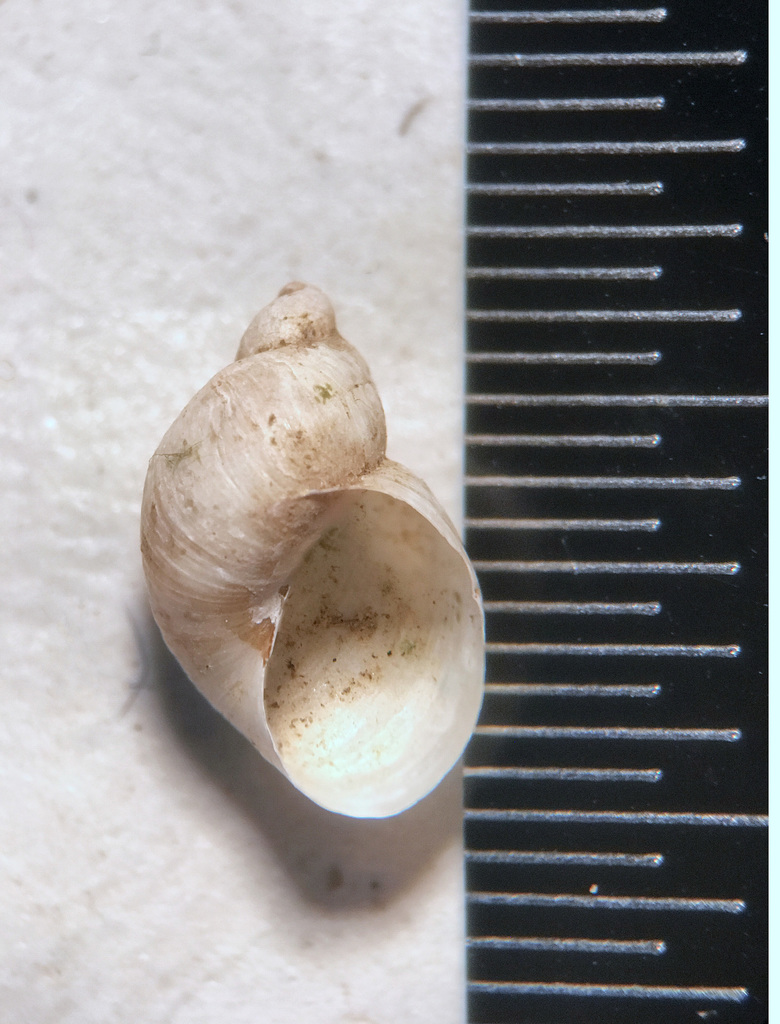
Mediappendix oklahomarum

Image Usage Information

  • David Lang
  • CC BY-NC 4.0 DEED
  • Additional information about this specimen

Family: Succineidae

Common name: Detritus Ambersnail

Discovery: Webb, 1953

Identification

Width: 4-5 mm
Height: 6-8 mm
Whorls: 2.75+

Mediappendix oklahomarum has a yellowish, somewhat translucent shell with a wide aperture and deep sutures. It is proportionally longer than the shell of M hubrichti, and marked with uneven growth lines. The shell is wider than that of M. vermeta, with a proportionally shorter spire and longer aperture (Grimm, 1960).

Ecology

This snail prefers to live in small numbers under leaf litter on acid soil. It is a denizen of open pine woods near the east coast. It can also be found sparsely in hilly forests further inland (Hubricht, 1985) and is associated with greenbriar, honeysuckle, and prickly pear (Grimm, 1960).

Taxonomy

Mediappendix oklahomarum has also been known as Mediappendix pinicola, M. vagans, and Quickella oklahomarum.

Distribution

Mediappendix oklahomarum is apparently widespread in the southeastern United States, with the caution that succineid taxonomy is not well-understood. It ranges from Oklahoma in the west to Maryland in the northeast and Florida in the southeast. In Virginia it is reported from the eastern shore of the Chesapeake Bay and scattered western counties.

Conservation

NatureServe Global Rank: G5, Secure.

sidebar

About

  • Mission & Commitments
  • Directors Team
  • Museum History

Get Involved

  • Volunteer
  • Membership
  • Carnegie Discoverers
  • Donate
  • Employment
  • Events

Bring a Group

  • Groups of 10 or More
  • Birthday Parties at the Museum
  • Field Trips

Powdermill

  • Powdermill Nature Reserve
  • Powdermill Field Trips
  • Powdermill Staff
  • Research at Powdermill

More Information

  • Image Permission Requests
  • Science Stories
  • Accessibility
  • Shopping Cart
  • Contact
  • Visitor Policies
One of the Four Carnegie Museums | © Carnegie Institute | Privacy Policy | Terms of Use | Accessibility
Rad works here logo