• Skip to primary navigation
  • Skip to main content
  • Skip to primary sidebar

Carnegie Museum of Natural History

One of the Four Carnegie Museums of Pittsburgh

  • Visit
    • Buy Tickets
    • Visitor Information
    • Exhibitions
    • Events
    • Dining at the Museum
    • Celebrate at the Museum
    • Powdermill Nature Reserve
    • Event Venue Rental
  • Learn
    • Field Trips
    • Educator Information
    • Programs at the Museum
    • Bring the Museum to You
    • Guided Programs FAQ
    • Programs Online
    • Climate and Rural Systems Partnership
  • Research
    • Scientific Sections
    • Science Stories
    • Science Videos
    • Senior Science & Research Staff
    • Museum Library
    • Science Seminars
    • Scientific Publications
    • Specimen and Artifact Identification
  • About
    • Mission & Commitments
    • Directors Team
    • Museum History
  • Tickets
  • Give
  • Shop

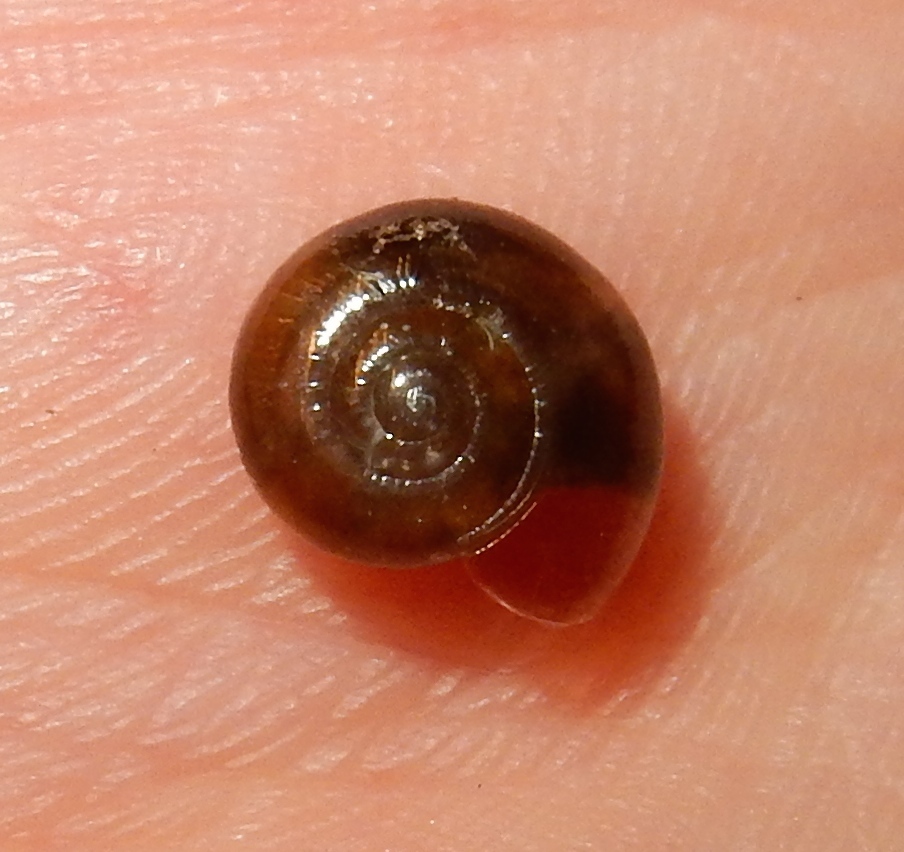
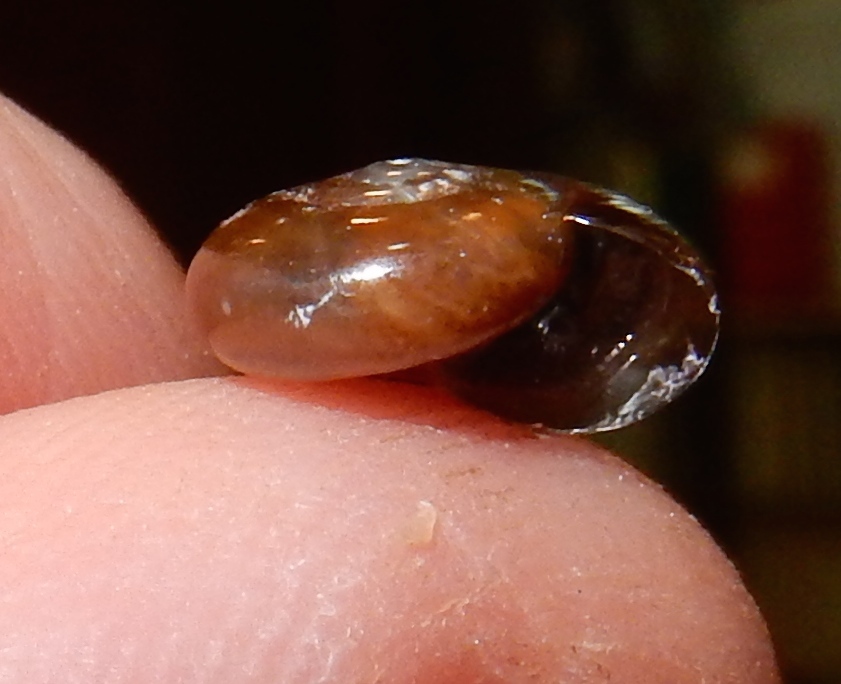
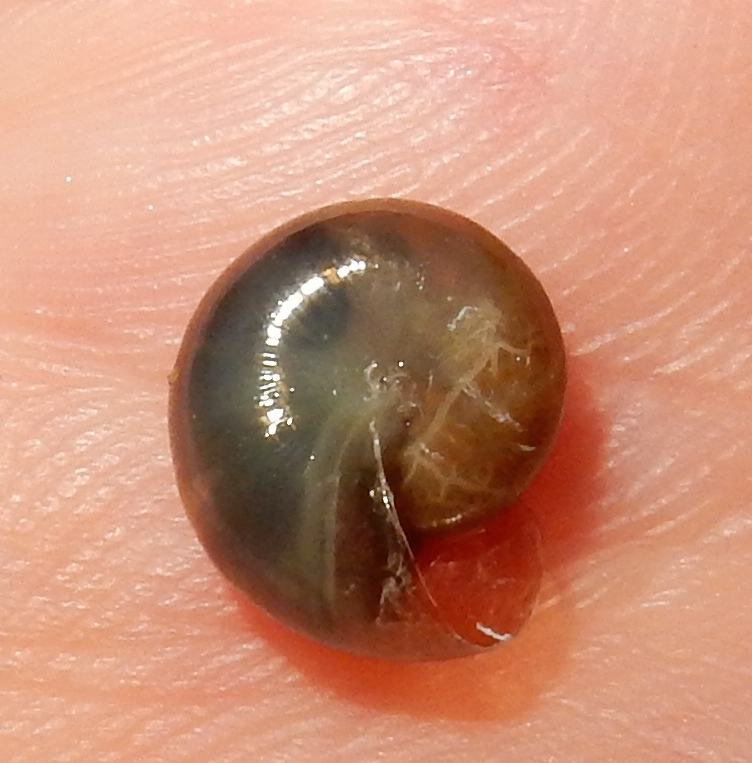
Mesomphix andrewsae

Image Usage Information

  • Jonathan (JC) Carpenter
  • CC BY-NC 4.0 DEED
  • Additional information about this specimen

Family: Gastrodontidae

Common name:  Mountain Button

Discovery: Pilsbry, 1895

Identification

Width: 16-21 mm
Height: 8.5-10 mm
Whorls: 4.5-5

The shell of Mesomphix andrewsae is large and glossy with a thin and fragile lip and a disproportionately wide aperture (nearly the area of the rest of the shell in aperture view). The shell microsculpture lacks spiral rows of papillae (or with only weak traces of papillae). Its color is chestnut to olive above and buff below. Suture moderately impressed, last whorl about 2.5 times width of penultimate whorl. The umbilicus is narrow, about 1/20 of the shell diameter. Interior base of aperture may have a white callus near the lip edge. Similar to Mesomphix inornatus but that has a wider spire, slightly wider umbilicus, and has spiral rows of microscopic papillae.

Ecology

This species occurs in mixed hardwood forests in leaf litter or under logs on mountainsides.

Taxonomy

Synonyms for M. andrewsae include Omphalina andrewsae, Omphalina andrewsae montivaga.

Distribution

M. andrewsae is most abundant in the Smoky Mountains on the border between Tennessee and North Carolina, and it extends north into West Virginia, so it might be expected in south westernmost Virginia.

Conservation

NatureServe Global Rank: G3G4, Vulnerable to Apparently Secure

NatureServe State Rank: North Carolina: S3S4, Tennessee: S3S4

sidebar

About

  • Mission & Commitments
  • Directors Team
  • Museum History

Get Involved

  • Volunteer
  • Membership
  • Carnegie Discoverers
  • Donate
  • Employment
  • Events

Bring a Group

  • Groups of 10 or More
  • Birthday Parties at the Museum
  • Field Trips

Powdermill

  • Powdermill Nature Reserve
  • Powdermill Field Trips
  • Powdermill Staff
  • Research at Powdermill

More Information

  • Image Permission Requests
  • Science Stories
  • Accessibility
  • Shopping Cart
  • Contact
  • Visitor Policies
One of the Four Carnegie Museums | © Carnegie Institute | Privacy Policy | Terms of Use | Accessibility
Rad works here logo