• Skip to primary navigation
  • Skip to main content
  • Skip to primary sidebar

Carnegie Museum of Natural History

One of the Four Carnegie Museums of Pittsburgh

  • Visit
    • Buy Tickets
    • Visitor Information
    • Exhibitions
    • Events
    • Dining at the Museum
    • Celebrate at the Museum
    • Powdermill Nature Reserve
    • Event Venue Rental
  • Learn
    • Field Trips
    • Educator Information
    • Programs at the Museum
    • Bring the Museum to You
    • Guided Programs FAQ
    • Programs Online
    • Climate and Rural Systems Partnership
  • Research
    • Scientific Sections
    • Science Stories
    • Science Videos
    • Senior Science & Research Staff
    • Museum Library
    • Science Seminars
    • Scientific Publications
    • Specimen and Artifact Identification
  • About
    • Mission & Commitments
    • Directors Team
    • Museum History
  • Tickets
  • Give
  • Shop

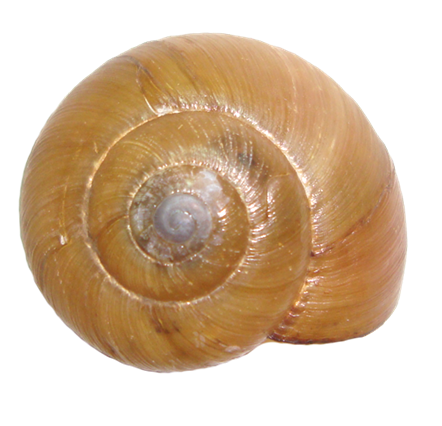
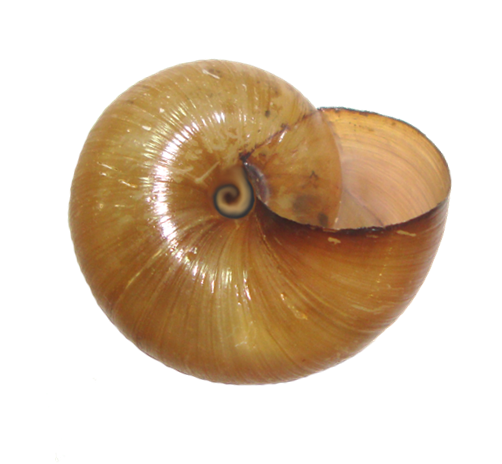
Mesomphix luisant

Image Usage Information

  • Dan Dourson
  • CC BY-NC 4.0 DEED

Family: Gastrodontidae

Common name: Glossy Button

Discovery: Dourson, 2015

Identification

Width: 22-26 mm
Height: 14-19 mm
Whorls: 5

Spiral rows of papillae are a consistent feature of this newly described species’ shell, especially on the final whorl. The shell is heliciform, colored light brown often with darker streaks. The top of the shell is dull-glossy while the base is more polished. Engraved spiral striae are the strongest near the suture lines. Transverse striae are moderately developed – more pronounced than in M. cupreus but less than in M. vulgatus.

Ecology

This species appears to be restricted to rich hillsides below and amid limestone bluffs along the Greenbrier River, Greenbrier County, West Virginia and possibly along Huff Creek., Logan County, West Virginia. Mesomphix luisant is endemic to West Virginia. 

Taxonomy

Mesomphix luisant is smaller and more globose than M. capnodes, with a slightly larger umbilicus and a glossier shell, especially at the base. It differs from M. cupreus in its well-developed spiral papillae on the final whorl and smaller umbilicus. Its name is derived from the French word meaning glossy, shining or gleaming. 

Distribution

Currently, only known from Greenbrier County and possibly Logan County, West Virginia.  Future surveys may reveal additional county records. 

Conservation

NatureServe Global Rank: Not yet ranked; G1 recommended.
NatureServe State Rank: West Virginia, S1.
This newly-described species may be imperiled due to its apparent rarity.

sidebar

About

  • Mission & Commitments
  • Directors Team
  • Museum History

Get Involved

  • Volunteer
  • Membership
  • Carnegie Discoverers
  • Donate
  • Employment
  • Events

Bring a Group

  • Groups of 10 or More
  • Birthday Parties at the Museum
  • Field Trips

Powdermill

  • Powdermill Nature Reserve
  • Powdermill Field Trips
  • Powdermill Staff
  • Research at Powdermill

More Information

  • Image Permission Requests
  • Science Stories
  • Accessibility
  • Shopping Cart
  • Contact
  • Visitor Policies
One of the Four Carnegie Museums | © Carnegie Institute | Privacy Policy | Terms of Use | Accessibility
Rad works here logo