• Skip to primary navigation
  • Skip to main content
  • Skip to primary sidebar

Carnegie Museum of Natural History

One of the Four Carnegie Museums of Pittsburgh

  • Visit
    • Buy Tickets
    • Visitor Information
    • Exhibitions
    • Events
    • Dining at the Museum
    • Celebrate at the Museum
    • Powdermill Nature Reserve
    • Event Venue Rental
    • Gift Cards
  • Learn
    • Field Trips
    • Educator Information
    • Programs at the Museum
    • Bring the Museum to You
    • Guided Programs FAQ
    • Programs Online
    • Climate and Rural Systems Partnership
  • Research
    • Scientific Sections
    • Science Stories
    • Science Videos
    • Senior Science & Research Staff
    • Museum Library
    • Science Seminars
    • Scientific Publications
    • Specimen and Artifact Identification
  • About
    • Mission & Commitments
    • Directors Team
    • Museum History
  • Tickets
  • Give
  • Shop

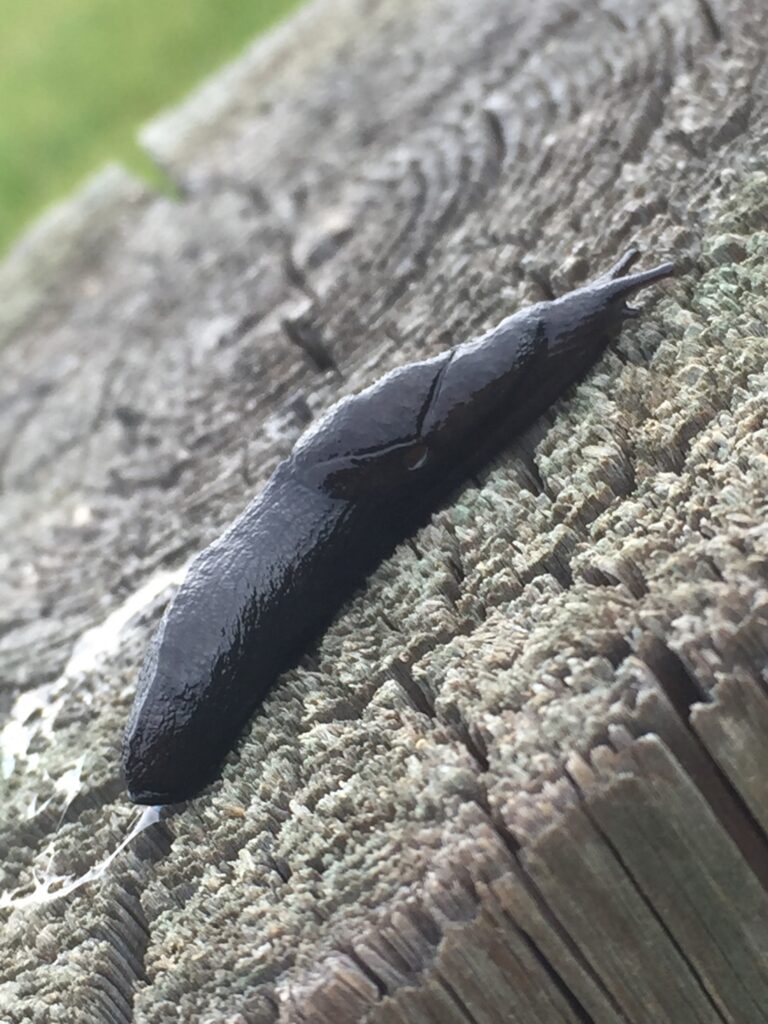
Milax gagates

Image Usage Information

  • John Martin
  • CC BY-NC 4.0 DEED
  • Additional information about this specimen

Family: Milacidae

Common name: Greenhouse Slug

Discovery: Draparnaud, 1801

Identification

Length: 50-60 mm

The slug Milax gagates is medium-sized, with a prominent dorsal keel from the mantle to the tail. It is gray-colored above, lighter on the sides, and whitish underneath. The keel is sometimes lighter. Its mucus is white or colorless. Pilsbry (1948) noted that Norfolk, Virginia, specimens have a very black dorsal surface.

Ecology

Milax gagates is found in a variety of habitats in western Europe and the Mediterranean – most commonly along coasts in gardens, farms, grassy seashore, hedges, and woods (Kerney & Cameron, 1979). In Argentina this animal is a pest of soybeans, sunflowers, and oilseed rape (Clemente et al., 2010). There, eggs hatched at 23 days. In Canada this slug is vulnerable to frost and overwinters in the egg stage (Grimm et al., 2009).

Taxonomy

Synonyms for Milax gagates include Limax gagates, L. hewstoni, Amalia gagates, and M. hewstoni.

Distribution

This slug has been introduced to both North American coasts. In Virginia specimens have reportedly been collected from Pittsylvania and Northampton Counties, as well as Norfolk.

Conservation

NatureServe Global Rank: G5, Secure

sidebar

About

  • Mission & Commitments
  • Directors Team
  • Museum History

Get Involved

  • Volunteer
  • Membership
  • Carnegie Discoverers
  • Donate
  • Employment
  • Events

Bring a Group

  • Groups of 10 or More
  • Birthday Parties at the Museum
  • Field Trips

Powdermill

  • Powdermill Nature Reserve
  • Powdermill Field Trips
  • Powdermill Staff
  • Research at Powdermill

More Information

  • Image Permission Requests
  • Science Stories
  • Accessibility
  • Shopping Cart
  • Contact
  • Visitor Policies
One of the Four Carnegie Museums | © Carnegie Institute | Privacy Policy | Terms of Use | Accessibility
Rad works here logo