• Skip to primary navigation
  • Skip to main content
  • Skip to primary sidebar

Carnegie Museum of Natural History

One of the Four Carnegie Museums of Pittsburgh

  • Visit
    • Buy Tickets
    • Visitor Information
    • Exhibitions
    • Events
    • Dining at the Museum
    • Celebrate at the Museum
    • Powdermill Nature Reserve
    • Event Venue Rental
  • Learn
    • Field Trips
    • Educator Information
    • Programs at the Museum
    • Bring the Museum to You
    • Guided Programs FAQ
    • Programs Online
    • Climate and Rural Systems Partnership
  • Research
    • Scientific Sections
    • Science Stories
    • Science Videos
    • Senior Science & Research Staff
    • Museum Library
    • Science Seminars
    • Scientific Publications
    • Specimen and Artifact Identification
  • About
    • Mission & Commitments
    • Directors Team
    • Museum History
  • Tickets
  • Give
  • Shop

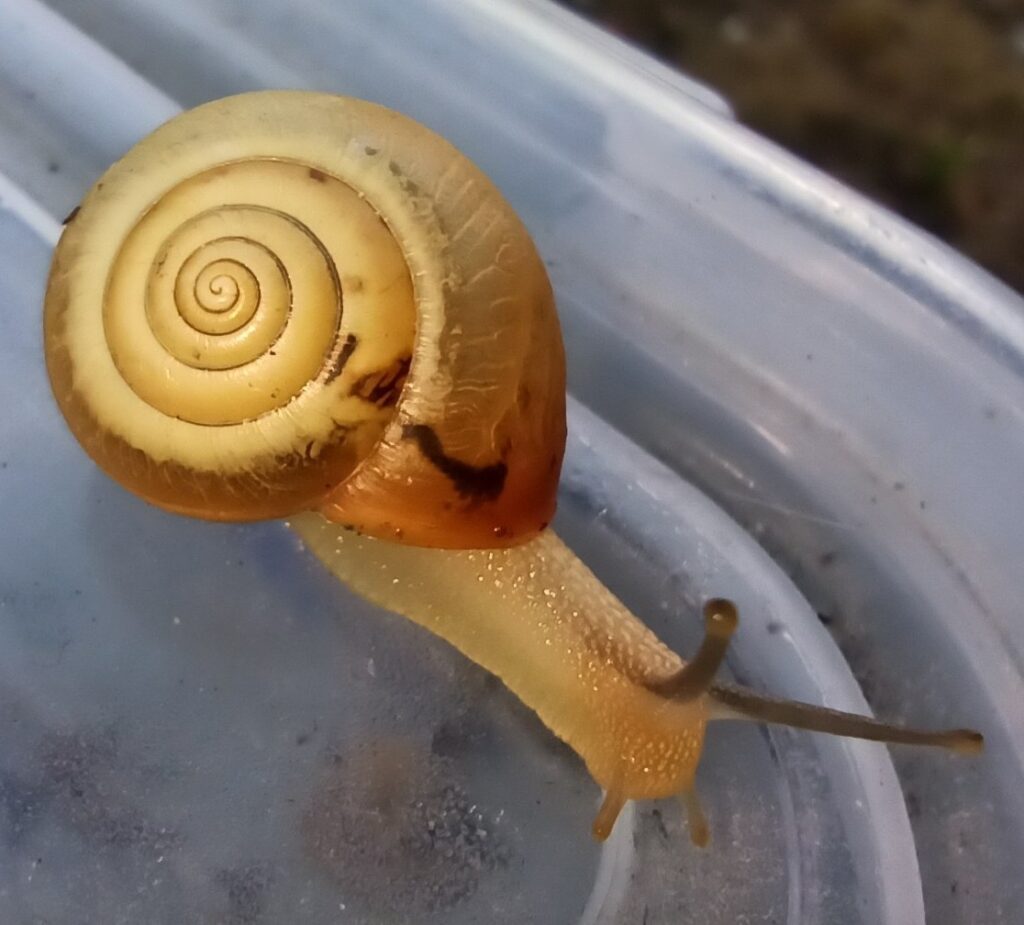
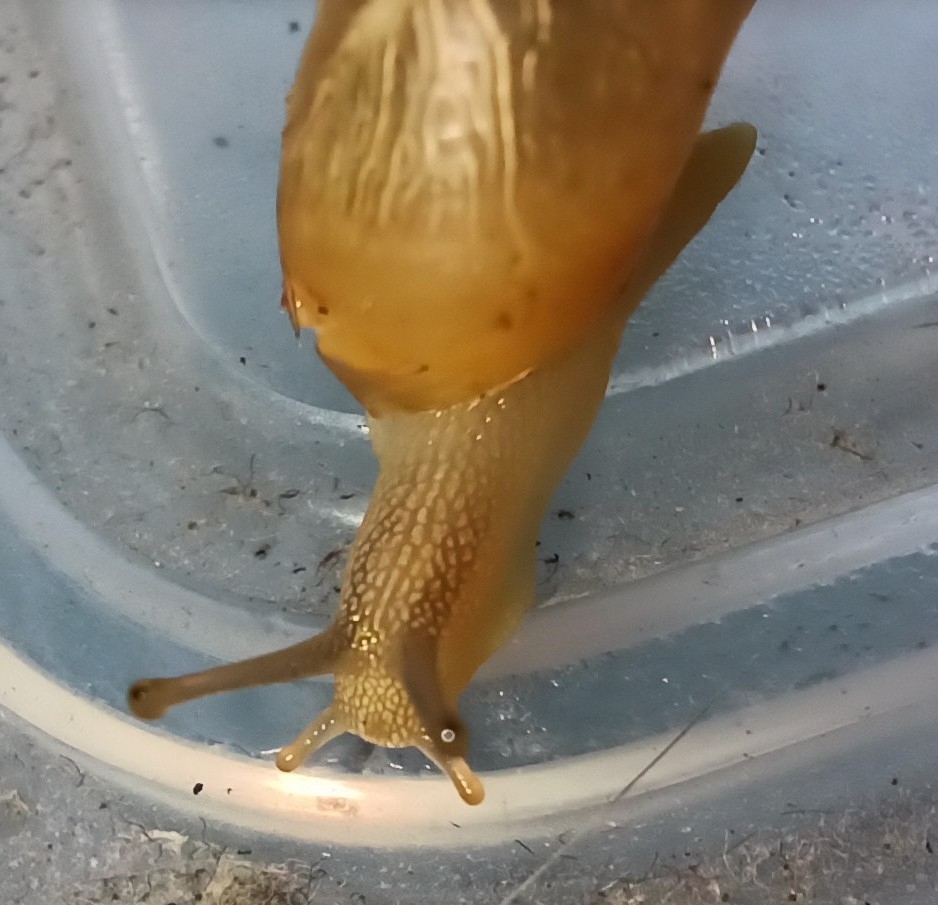
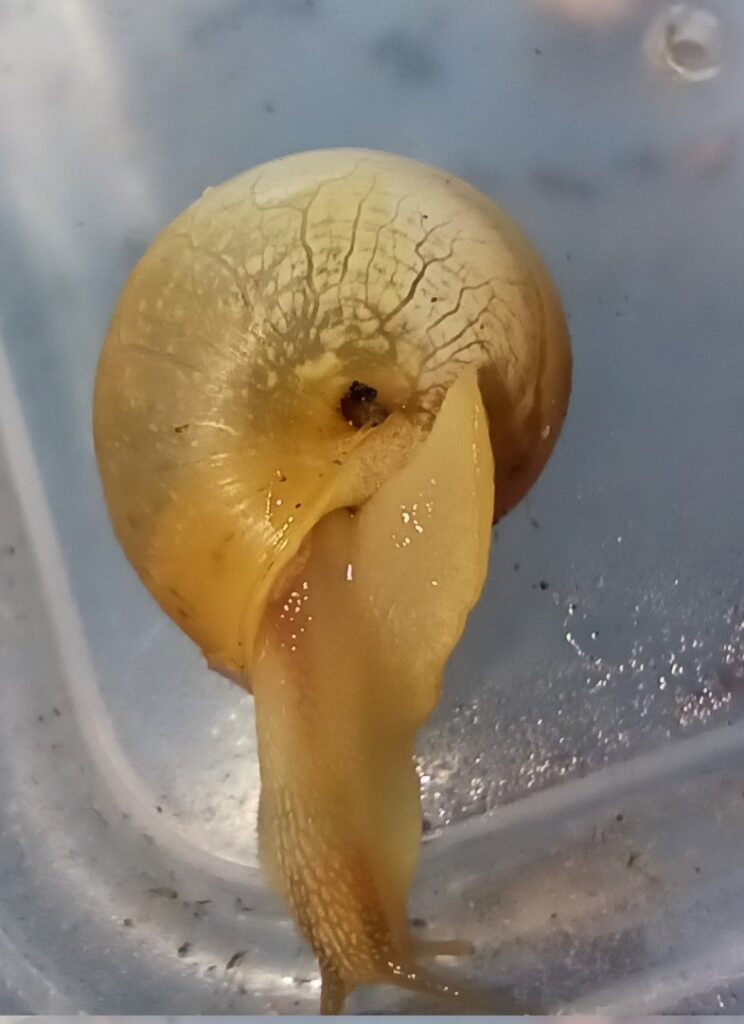
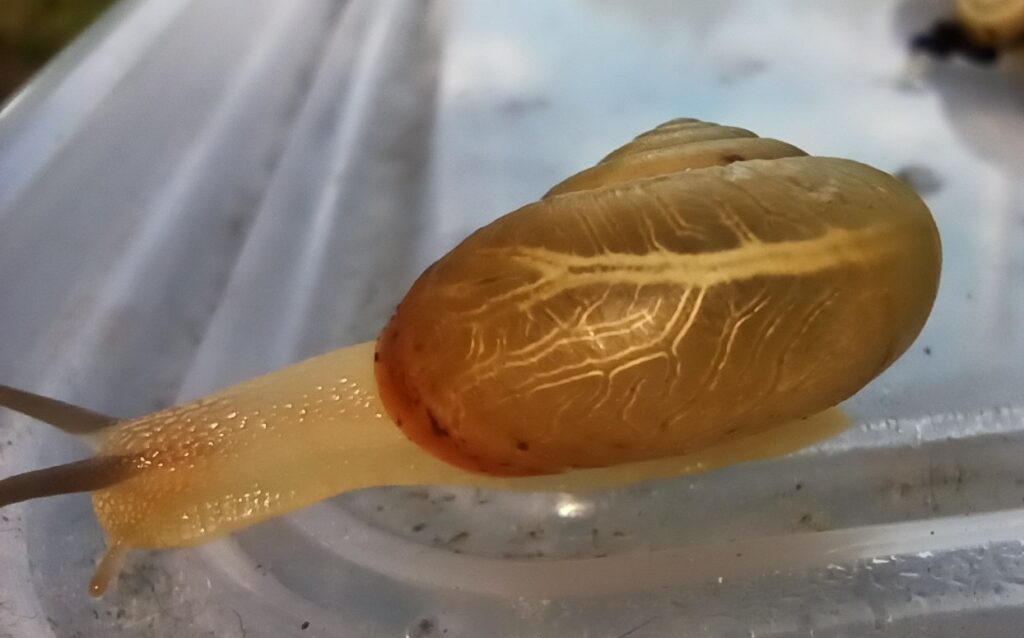
Monacha cartusiana

Image Usage Information

  • shames_s
  • CC BY-NC 4.0 DEED
  • Additional information about this specimen

Family: Hygromiidae

Common name: Chartreuse snail

Discovery: O. F. Müller, 1774

Identification

Width: 9-18 mm
Height: 6-10 mm
Whorls: 5.5-6.5

Shell is depressed. Adults with a thickened (not reflected) lip, with an internal varix parallel to the lip edge. Periphery is well rounded. The umbilicus is very small. The shell color is cream to yellowish, and the lip is lined with reddish or brown (Kerney et al. 1979; Welter-Schultes 2012).

Ecology

In Europe, Monacha cartusiana is widespread in meadows, hedges, and on roadsides, usually not in forests. It is found in dry, sunny locations. In the USA, it is typically found in disturbed areas.

Taxonomy

A synonym is Helix olivieri.

Distribution

This European snail is considered invasive in the USA. It has recently been introduced to several places in the USA, and it appears to be spreading slowly, despite attempts to control it. It seems to have established in the Chicago and Cleveland areas. In the mid-Atlantic and northeastern states, it is known from Delaware (Port of Wilmington), and surrounding areas, Pennsylvania (Truck Stop in Bellefonte), West Virginia (Morgantown area).

Conservation

NatureServe Global Rank: G5, Secure

sidebar

About

  • Mission & Commitments
  • Directors Team
  • Museum History

Get Involved

  • Volunteer
  • Membership
  • Carnegie Discoverers
  • Donate
  • Employment
  • Events

Bring a Group

  • Groups of 10 or More
  • Birthday Parties at the Museum
  • Field Trips

Powdermill

  • Powdermill Nature Reserve
  • Powdermill Field Trips
  • Powdermill Staff
  • Research at Powdermill

More Information

  • Image Permission Requests
  • Science Stories
  • Accessibility
  • Shopping Cart
  • Contact
  • Visitor Policies
One of the Four Carnegie Museums | © Carnegie Institute | Privacy Policy | Terms of Use | Accessibility
Rad works here logo