• Skip to primary navigation
  • Skip to main content
  • Skip to primary sidebar

Carnegie Museum of Natural History

One of the Four Carnegie Museums of Pittsburgh

  • Visit
    • Buy Tickets
    • Visitor Information
    • Exhibitions
    • Events
    • Dining at the Museum
    • Celebrate at the Museum
    • Powdermill Nature Reserve
    • Event Venue Rental
  • Learn
    • Field Trips
    • Educator Information
    • Programs at the Museum
    • Bring the Museum to You
    • Guided Programs FAQ
    • Programs Online
    • Climate and Rural Systems Partnership
  • Research
    • Scientific Sections
    • Science Stories
    • Science Videos
    • Senior Science & Research Staff
    • Museum Library
    • Science Seminars
    • Scientific Publications
    • Specimen and Artifact Identification
  • About
    • Mission & Commitments
    • Directors Team
    • Museum History
  • Tickets
  • Give
  • Shop

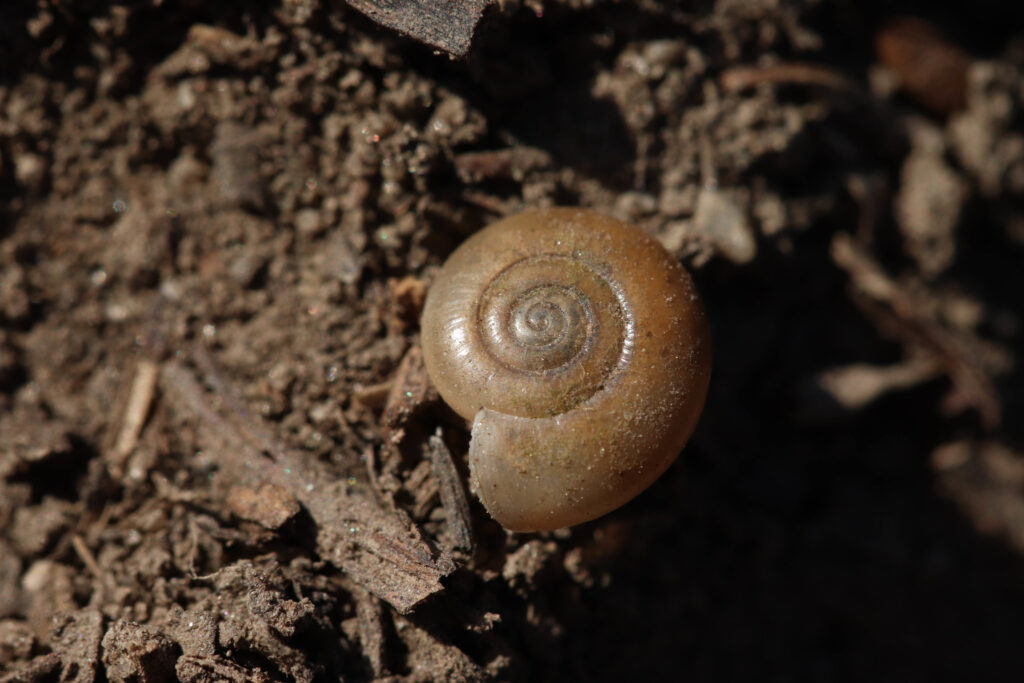
Oxychilus draparnaudi

Image Usage Information

  • mgreilhuber
  • CC BY-NC 4.0 DEED
  • Additional information about this specimen

Family: Oxychilidae

Common name: Dark-bodied Glass-snail

Discovery: Beck, 1837

Non-native

Identification

Width: 11.0-16.5mm
Height: 6.5-8.0 mm
Whorls: 5+

Oxychilus draparnaudi has a flattened, heliciform, brownish-yellow shell with fine radial growth lines (Kerney & Cameron, 1979). The umbilicus is moderately open and the lip simple. The shell is larger, more opaque, and relatively flatter than O. cellarius.The animal is dark blue.

Ecology

In western Europe, this species is found in moist, shaded habitats like its relatives, including forested rocks, yards and gardens (Kerney & Cameron, 1979). This animal is omnivorous, and preys upon native land snails. Captive O. draparnaudi from Iowa consumed Webbhelix multilineata and Anguispiraalternata, but preferred Euchemotrema fraternum (Frest & Sanders Rhodes, 1982).

Taxonomy

Synonyms of O. draparnaudi include O. drapanaldi, O. lucidum, Helix lucida, H. nitida, Helicella draparnaldi, and Polita draparnaldi.

Distribution

This species, introduced into North America, is common in western Europe. In North America this animal is known from Canada and several states, including some in the interior. In Virginia specimens are from only two locations – to the far east and far west of the state. Pilsbry (1946) reported this animal from Staunton and Norfolk.

Conservation

NatureServe Global Rank: G5
NatureServe State Rank: not listed

sidebar

About

  • Mission & Commitments
  • Directors Team
  • Museum History

Get Involved

  • Volunteer
  • Membership
  • Carnegie Discoverers
  • Donate
  • Employment
  • Events

Bring a Group

  • Groups of 10 or More
  • Birthday Parties at the Museum
  • Field Trips

Powdermill

  • Powdermill Nature Reserve
  • Powdermill Field Trips
  • Powdermill Staff
  • Research at Powdermill

More Information

  • Image Permission Requests
  • Science Stories
  • Accessibility
  • Shopping Cart
  • Contact
  • Visitor Policies
One of the Four Carnegie Museums | © Carnegie Institute | Privacy Policy | Terms of Use | Accessibility
Rad works here logo