• Skip to primary navigation
  • Skip to main content
  • Skip to primary sidebar

Carnegie Museum of Natural History

One of the Four Carnegie Museums of Pittsburgh

  • Visit
    • Buy Tickets
    • Visitor Information
    • Exhibitions
    • Events
    • Dining at the Museum
    • Celebrate at the Museum
    • Powdermill Nature Reserve
    • Event Venue Rental
  • Learn
    • Field Trips
    • Educator Information
    • Programs at the Museum
    • Bring the Museum to You
    • Guided Programs FAQ
    • Programs Online
    • Climate and Rural Systems Partnership
  • Research
    • Scientific Sections
    • Science Stories
    • Science Videos
    • Senior Science & Research Staff
    • Museum Library
    • Science Seminars
    • Scientific Publications
    • Specimen and Artifact Identification
  • About
    • Mission & Commitments
    • Directors Team
    • Museum History
  • Tickets
  • Give
  • Shop

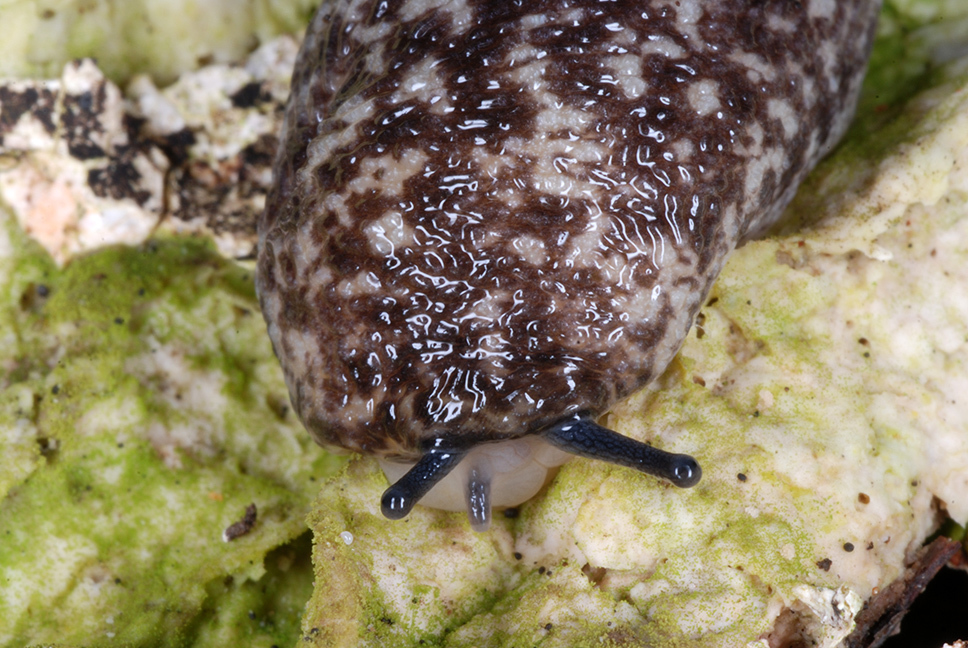
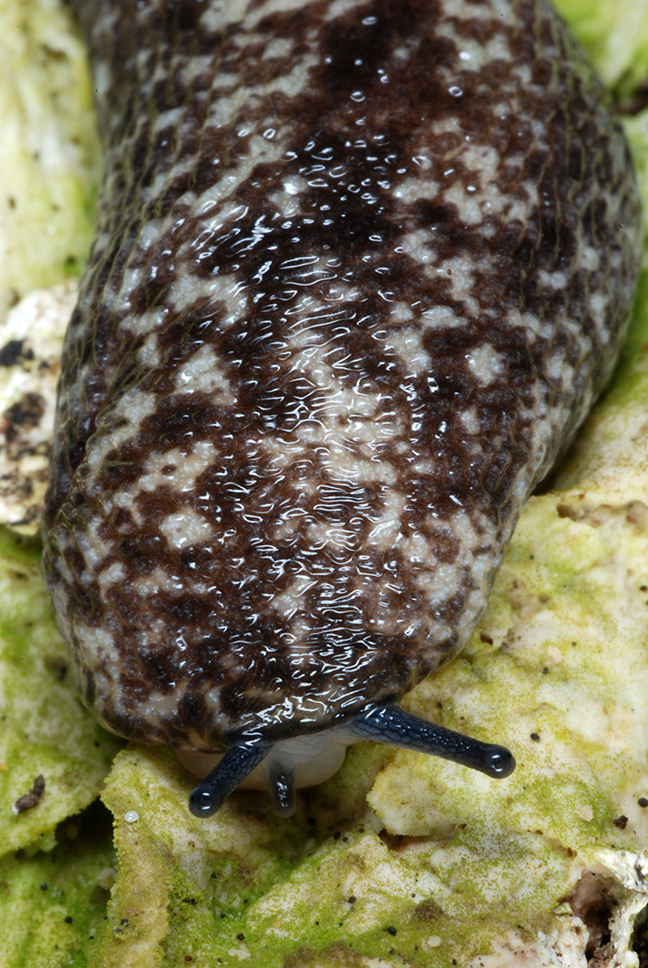
Philomycus flexuolaris

Image Usage Information
  • Brad Walker
  • CC BY-NC 4.0 DEED
  • Additional information about this specimen

Image Usage Information

  • Douglas Goldman
  • CC BY-NC 4.0 DEED
  • Additional information about this specimen

Family: Philomycidae

Common name: Winding Mantleslug

Discovery: Rafinesque, 1820

Identification

Length: 50-100 mm

Philomycus flexuolaris is a large slug with a mantle that covers the entire dorsal surface. The mantle is tan to grey and usually mottled with large spots of darker brown. These spots often coalesce to form three indistinct bands, one central band and two bands running along each side of the mantle. The reproductive system is equipped with a dart sac containing a short wide dart.

Ecology

This species is common in upland hardwood forests up to about 1,500 meters (5,000 feet) in the Appalachian Mountains. They are often observed feeding on fungi and lichens at night and during wet weather, and they aestivate under loose bark and rotting logs. This species produces a pale yellow defense mucous when irritated.

During humid weather, Philomycus flexuolaris is often found on logs, snags, or tree trunks well above the ground, to 15m or more (Hotopp, pers obs). Red Maple, American Beech, and other smooth-barked trees often bear slug “feeding tracks” – lighter-colored traces upon the gray algae that coat tree bark.

Taxonomy

There are no known synonyms.

Distribution

Philomycus flexuolaris is distributed from Quebec to northeastern Georgia. In Virginia the species is primarily found in the Ridge and Valley region of the extreme southwestern part of the state.

Conservation

NatureServe Global Rank: G5
NatureServe State Rank: S4

sidebar

About

  • Mission & Commitments
  • Directors Team
  • Museum History

Get Involved

  • Volunteer
  • Membership
  • Carnegie Discoverers
  • Donate
  • Employment
  • Events

Bring a Group

  • Groups of 10 or More
  • Birthday Parties at the Museum
  • Field Trips

Powdermill

  • Powdermill Nature Reserve
  • Powdermill Field Trips
  • Powdermill Staff
  • Research at Powdermill

More Information

  • Image Permission Requests
  • Science Stories
  • Accessibility
  • Shopping Cart
  • Contact
  • Visitor Policies
One of the Four Carnegie Museums | © Carnegie Institute | Privacy Policy | Terms of Use | Accessibility
Rad works here logo