• Skip to primary navigation
  • Skip to main content
  • Skip to primary sidebar

Carnegie Museum of Natural History

One of the Four Carnegie Museums of Pittsburgh

  • Visit
    • Buy Tickets
    • Visitor Information
    • Exhibitions
    • Events
    • Dining at the Museum
    • Celebrate at the Museum
    • Powdermill Nature Reserve
    • Event Venue Rental
    • Gift Cards
  • Learn
    • Field Trips
    • Educator Information
    • Programs at the Museum
    • Bring the Museum to You
    • Guided Programs FAQ
    • Programs Online
    • Climate and Rural Systems Partnership
  • Research
    • Scientific Sections
    • Science Stories
    • Science Videos
    • Senior Science & Research Staff
    • Museum Library
    • Science Seminars
    • Scientific Publications
    • Specimen and Artifact Identification
  • About
    • Mission & Commitments
    • Directors Team
    • Museum History
  • Tickets
  • Give
  • Shop

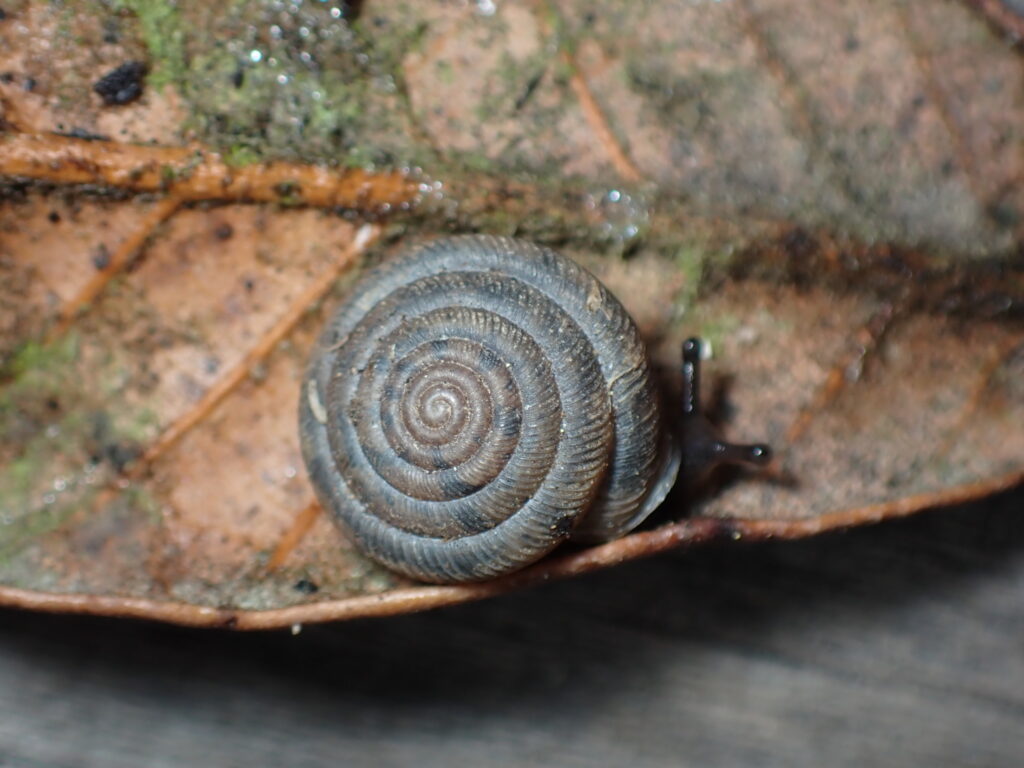
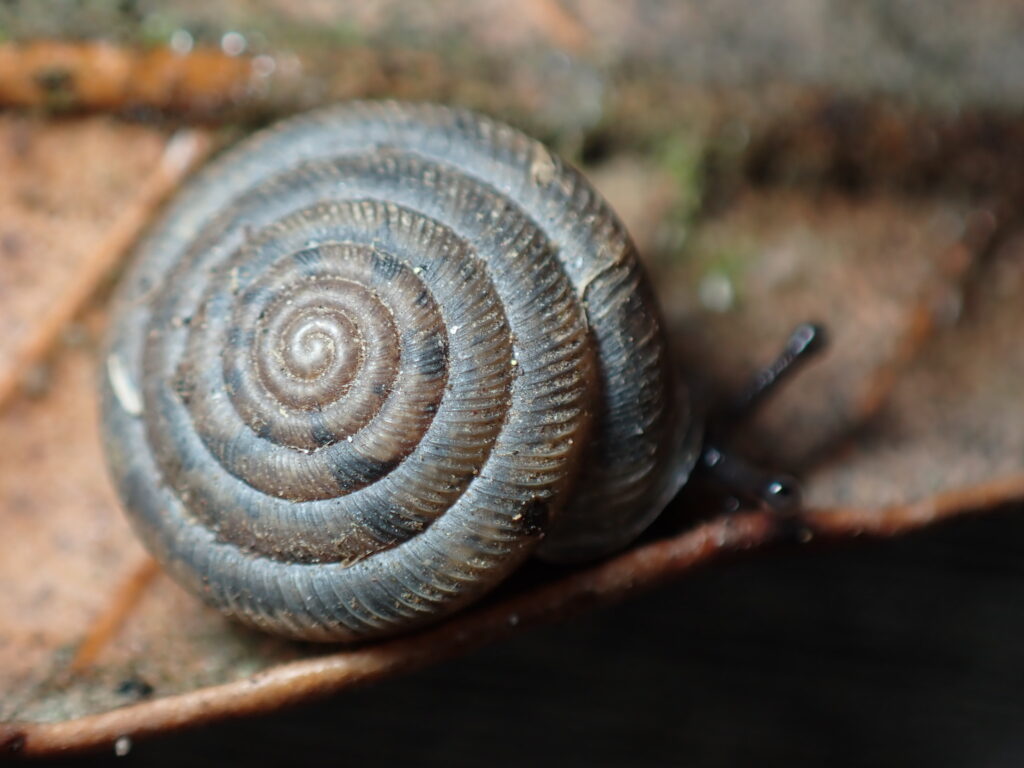
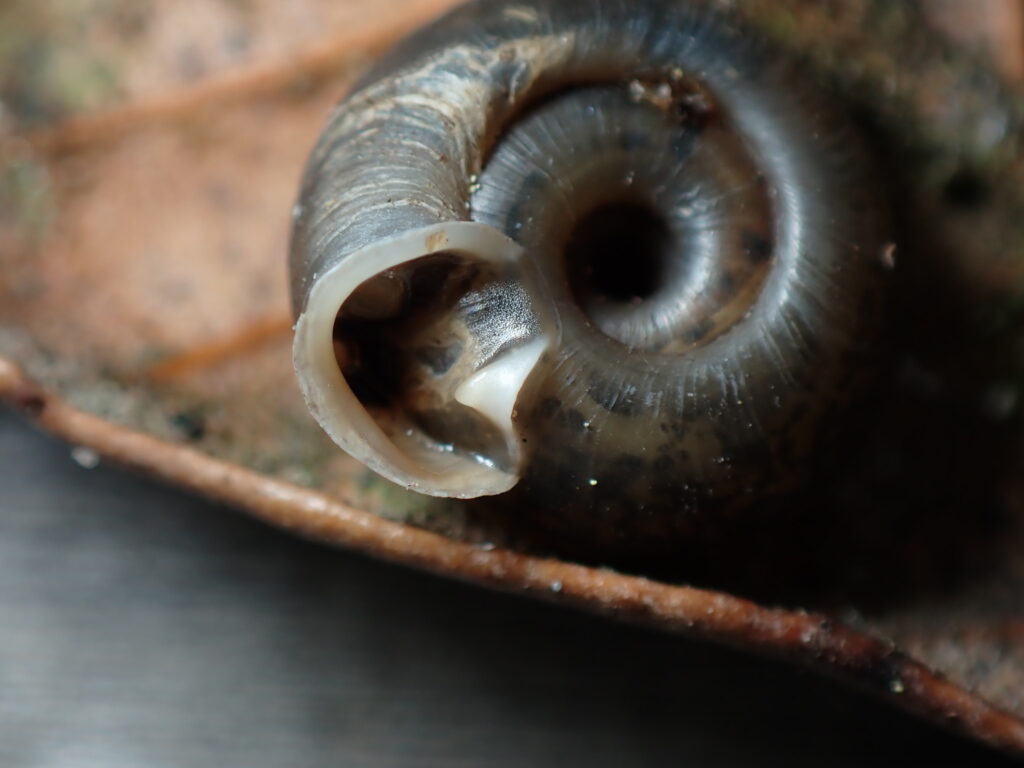
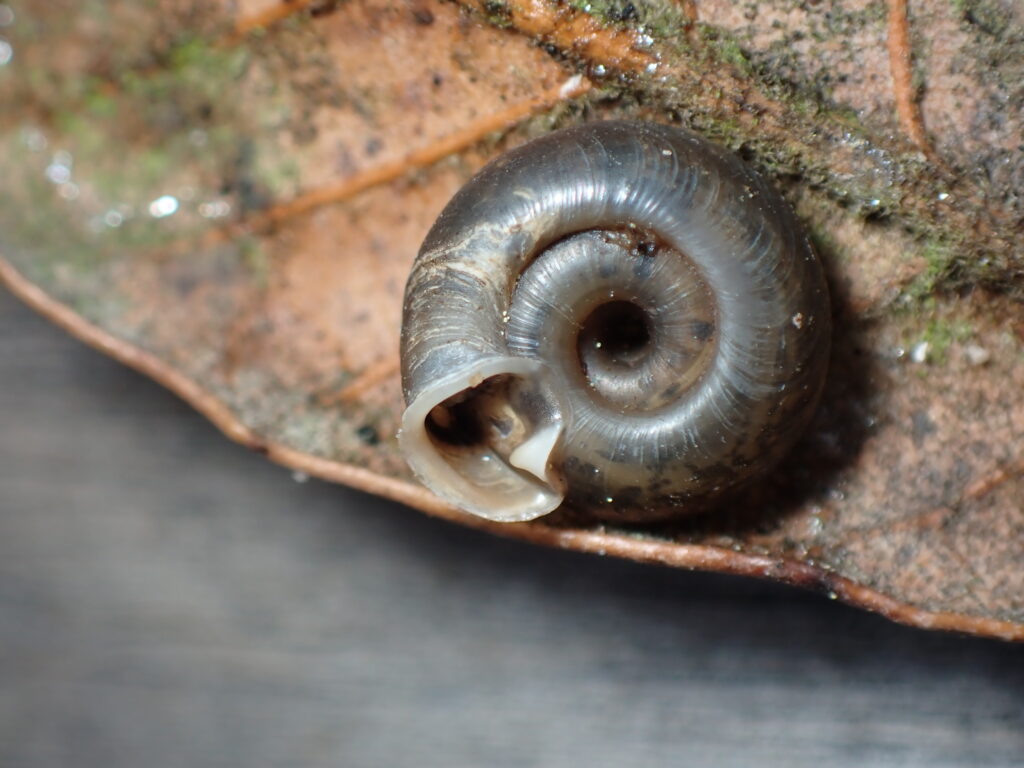
Polygyra cereolus

Image Usage Information

  •  Robin Gwen Agarwal
  • CC BY-NC 4.0 DEED
  • Additional information about this specimen

Family: Polygyridae

Common name: Southern Flatcoil

Discovery: Megerle von Mühlfeld, 1818

Identification

Width: 11-18 mm
Height: 3.5-4.6 mm
Whorls: 7-9

This animal’s flat shell is reminiscent of a coin (occasionally spire is slightly raised) with a very wide umbilicus that is larger than half the shell diameter. It is sculptured with delicate ribs. The aperture has a single tooth (parietal). The lip in adults is narrowly reflected (Pilsbry, 1940).

Ecology

In its native range, it can be found on low ground in sunny situations (Hubricht (1985). In northeastern North America, Polygyra cereolus can be found in disturbed areas associated with humans.

Taxonomy

Polygyra cereolus can sometimes be difficult to separate from the similar P. septemvolva. In P. septemvolva, the spire is usually a bit more elevated than in P. cereolus and the umbilicus (while variable) can sometimes be a bit smaller (although both species overlap in those characters). To be certain, check for a long internal lamella within the body whorl 0.5 to 1.0 whorl back from the aperture (requires breaking part of the shell), which is present in P. cereolus but absent in P. semptemvolva.

Synonyms for Polygyra cereolus include Helix carpenteriana, Helix cereolus, Helix febigeri, Polygyra carpenteriana, and Polygyra septemvolva var. floridana.

Distribution

Polygyra cereolus is originally from Florida and counties along the Gulf coast, and coastal areas into South Carolina. More recently, it has been introduced with tropical plants and by other means to areas as far north as Virginia.

Conservation

NatureServe Global Rank: G4, Apparently Secure

sidebar

About

  • Mission & Commitments
  • Directors Team
  • Museum History

Get Involved

  • Volunteer
  • Membership
  • Carnegie Discoverers
  • Donate
  • Employment
  • Events

Bring a Group

  • Groups of 10 or More
  • Birthday Parties at the Museum
  • Field Trips

Powdermill

  • Powdermill Nature Reserve
  • Powdermill Field Trips
  • Powdermill Staff
  • Research at Powdermill

More Information

  • Image Permission Requests
  • Science Stories
  • Accessibility
  • Shopping Cart
  • Contact
  • Visitor Policies
One of the Four Carnegie Museums | © Carnegie Institute | Privacy Policy | Terms of Use | Accessibility
Rad works here logo