• Skip to primary navigation
  • Skip to main content
  • Skip to primary sidebar

Carnegie Museum of Natural History

One of the Four Carnegie Museums of Pittsburgh

  • Visit
    • Buy Tickets
    • Visitor Information
    • Exhibitions
    • Events
    • Dining at the Museum
    • Celebrate at the Museum
    • Powdermill Nature Reserve
    • Event Venue Rental
  • Learn
    • Field Trips
    • Educator Information
    • Programs at the Museum
    • Bring the Museum to You
    • Guided Programs FAQ
    • Programs Online
    • Climate and Rural Systems Partnership
  • Research
    • Scientific Sections
    • Science Stories
    • Science Videos
    • Senior Science & Research Staff
    • Museum Library
    • Science Seminars
    • Scientific Publications
    • Specimen and Artifact Identification
  • About
    • Mission & Commitments
    • Directors Team
    • Museum History
  • Tickets
  • Give
  • Shop

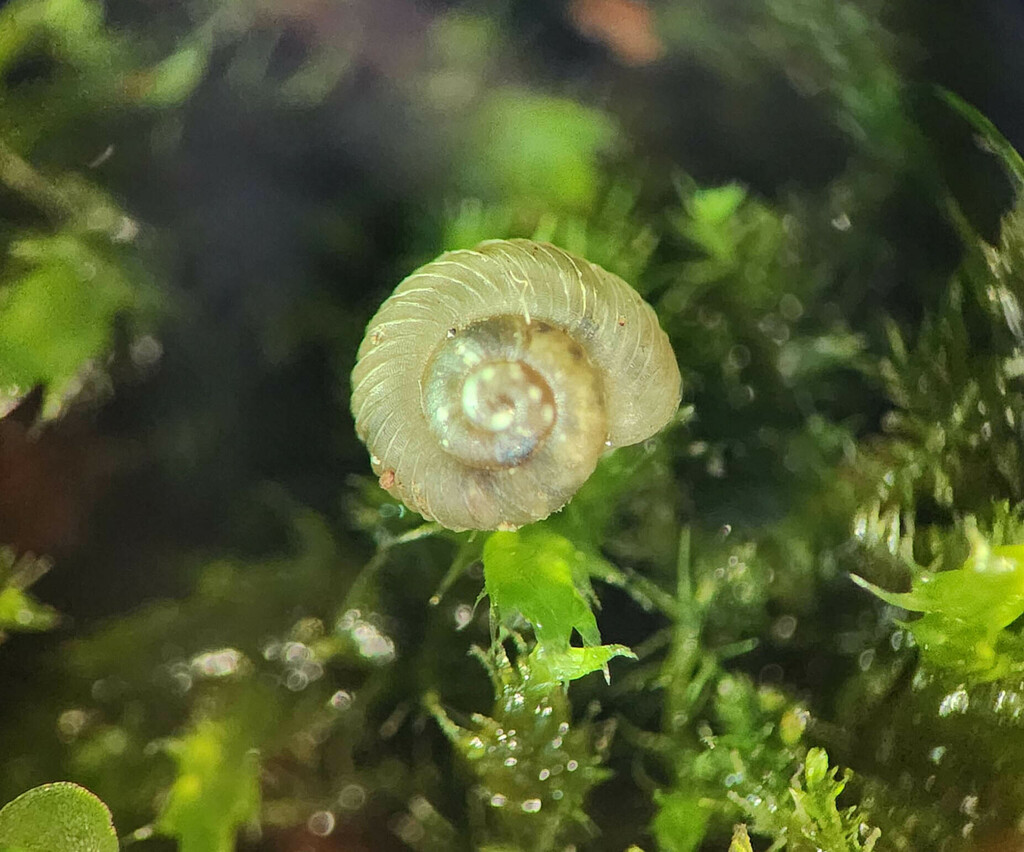
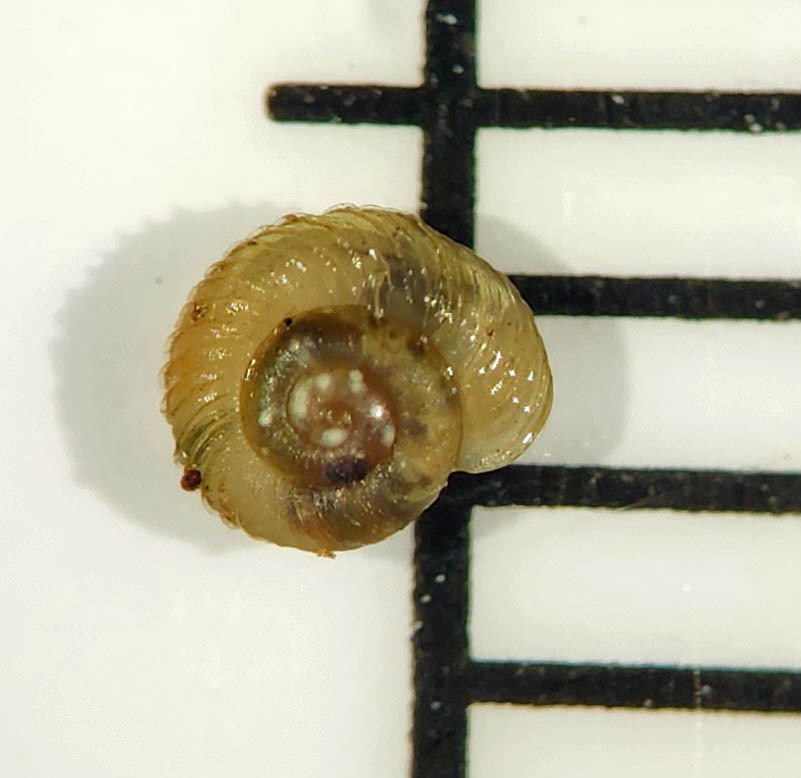
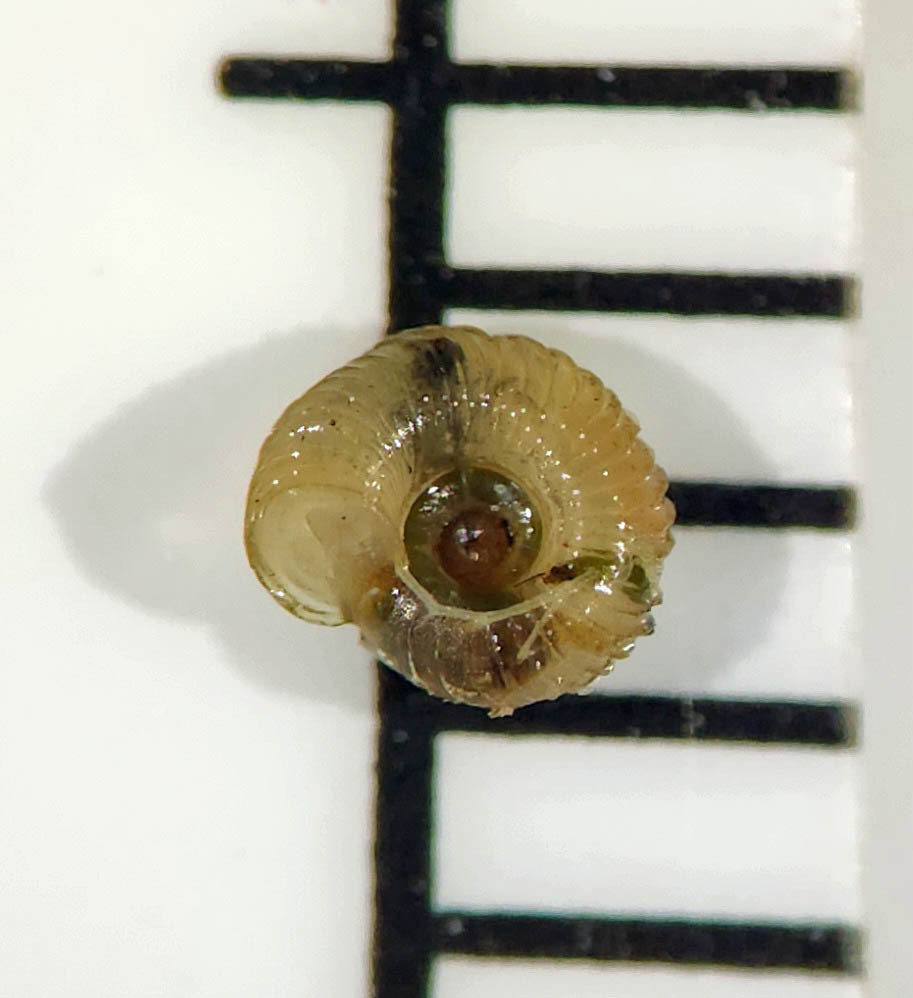
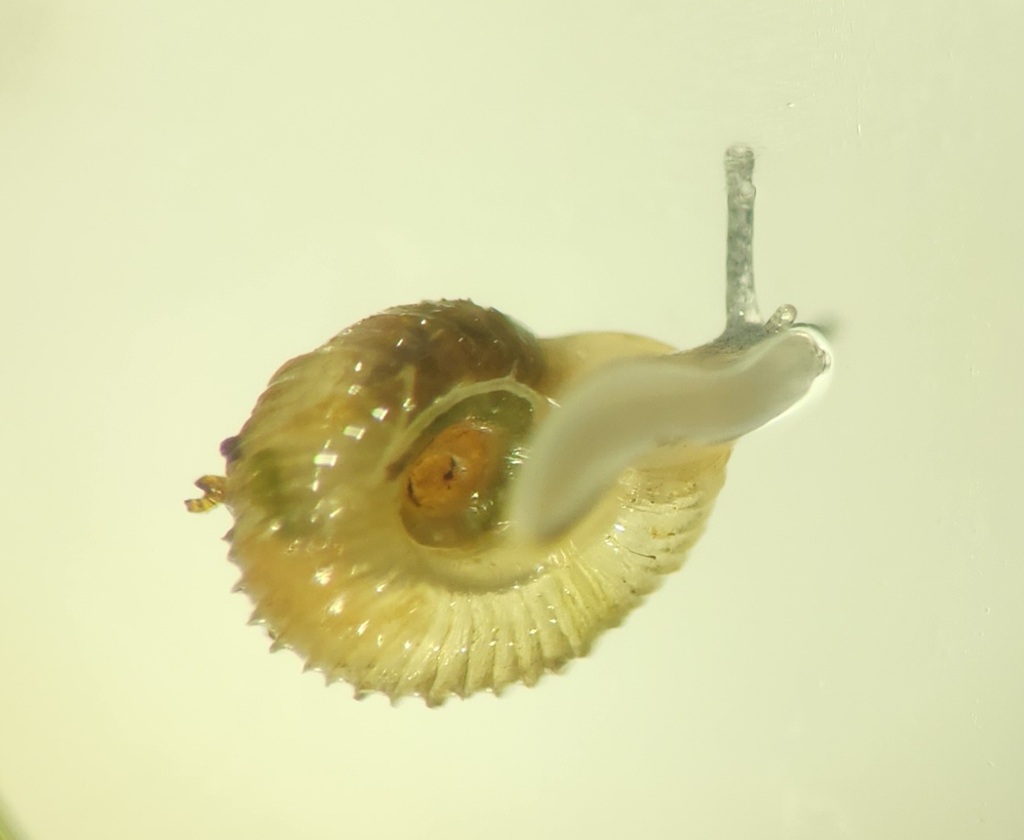
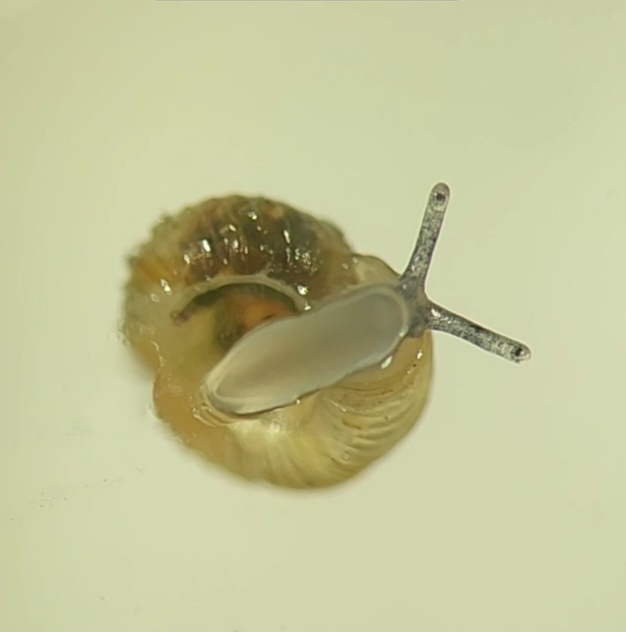
Pseudohyalinia exigua

Image Usage Information

  • Carole Beauchesne
  • CC BY-NC 4.0 DEED
  • Additional information about this specimen

Family: Gastrodontidae

Common name: Ribbed Striate

Discovery: Stimpson, 1850

Identification

Width: 2-3 mm
Height: 1.25 mm
Whorls: 3+

The shell of Pseudohyalinia exigua is uniquely sculptured, with fine spiral lirae creating a crosshatch pattern interrupted by taller transverse ridges. No other tiny shell bears this one-of-a-kind microsculpture. The umbilicus is open and wider than the aperture, which is rounded and simple.

Ecology

Pseudohyalinia exigua is a common snail of mesic forest habitats in the Northeast. It was the second most common snail at a dozen upland study sites in the Adirondack Mountains (Beier et al, 2012), and it occurred at all but the wettest and richest sites in northern Maine (Nekola, 2008). In the central Appalachian Mountains, where it lives in damp leaf litter and swampy woods (Hubricht, 1985; LeGrand et al, 2006), it becomes somewhat less frequent (e.g. Hotopp, 2002).

Taxonomy

Synonyms for Pseudohyalinia exiguanclude: Helix annulata, H. exigua, Pseudohyalina exigua, Striatura exigua, and Zonites exiguus.

Distribution

This animal’s range includes much of the Midwestern and eastern states and Canadian Provinces. In Virginia it is found in the western part of the state.

Conservation

NatureServe Global Rank: G5
NatureServe State Rank: S2
Virginia’s wildlife action plan: Tier IV

sidebar

About

  • Mission & Commitments
  • Directors Team
  • Museum History

Get Involved

  • Volunteer
  • Membership
  • Carnegie Discoverers
  • Donate
  • Employment
  • Events

Bring a Group

  • Groups of 10 or More
  • Birthday Parties at the Museum
  • Field Trips

Powdermill

  • Powdermill Nature Reserve
  • Powdermill Field Trips
  • Powdermill Staff
  • Research at Powdermill

More Information

  • Image Permission Requests
  • Science Stories
  • Accessibility
  • Shopping Cart
  • Contact
  • Visitor Policies
One of the Four Carnegie Museums | © Carnegie Institute | Privacy Policy | Terms of Use | Accessibility
Rad works here logo