• Skip to primary navigation
  • Skip to main content
  • Skip to primary sidebar

Carnegie Museum of Natural History

One of the Four Carnegie Museums of Pittsburgh

  • Visit
    • Buy Tickets
    • Visitor Information
    • Exhibitions
    • Events
    • Dining at the Museum
    • Celebrate at the Museum
    • Powdermill Nature Reserve
    • Event Venue Rental
  • Learn
    • Field Trips
    • Educator Information
    • Programs at the Museum
    • Bring the Museum to You
    • Guided Programs FAQ
    • Programs Online
    • Climate and Rural Systems Partnership
  • Research
    • Scientific Sections
    • Science Stories
    • Science Videos
    • Senior Science & Research Staff
    • Museum Library
    • Science Seminars
    • Scientific Publications
    • Specimen and Artifact Identification
  • About
    • Mission & Commitments
    • Directors Team
    • Museum History
  • Tickets
  • Give
  • Shop

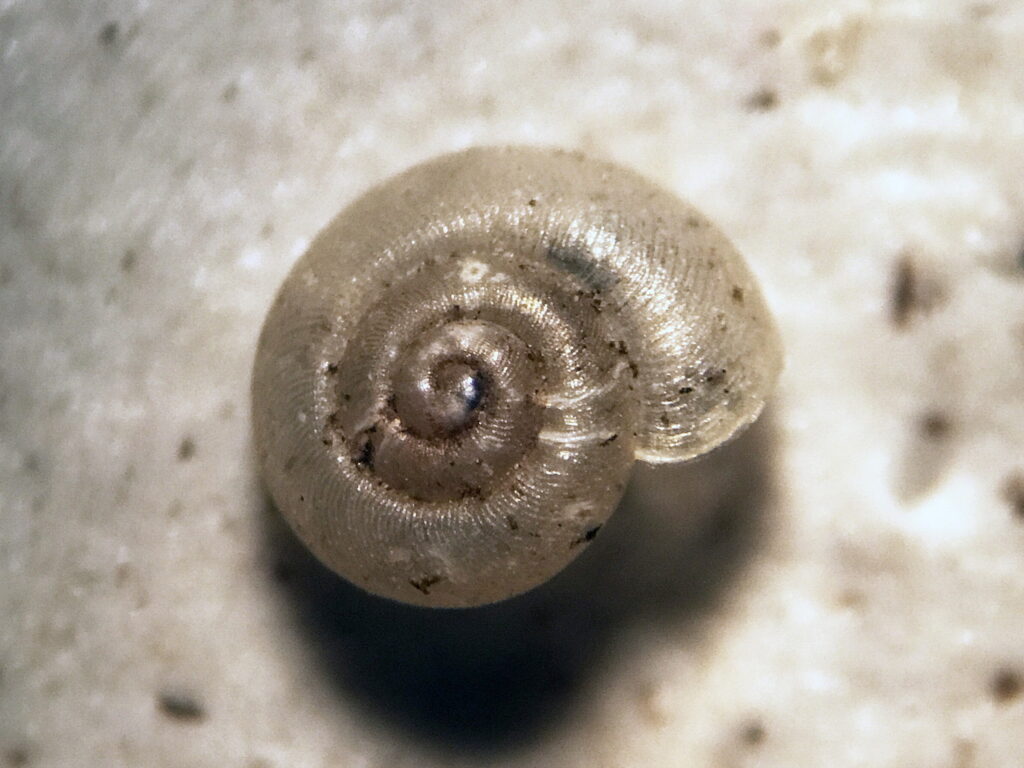
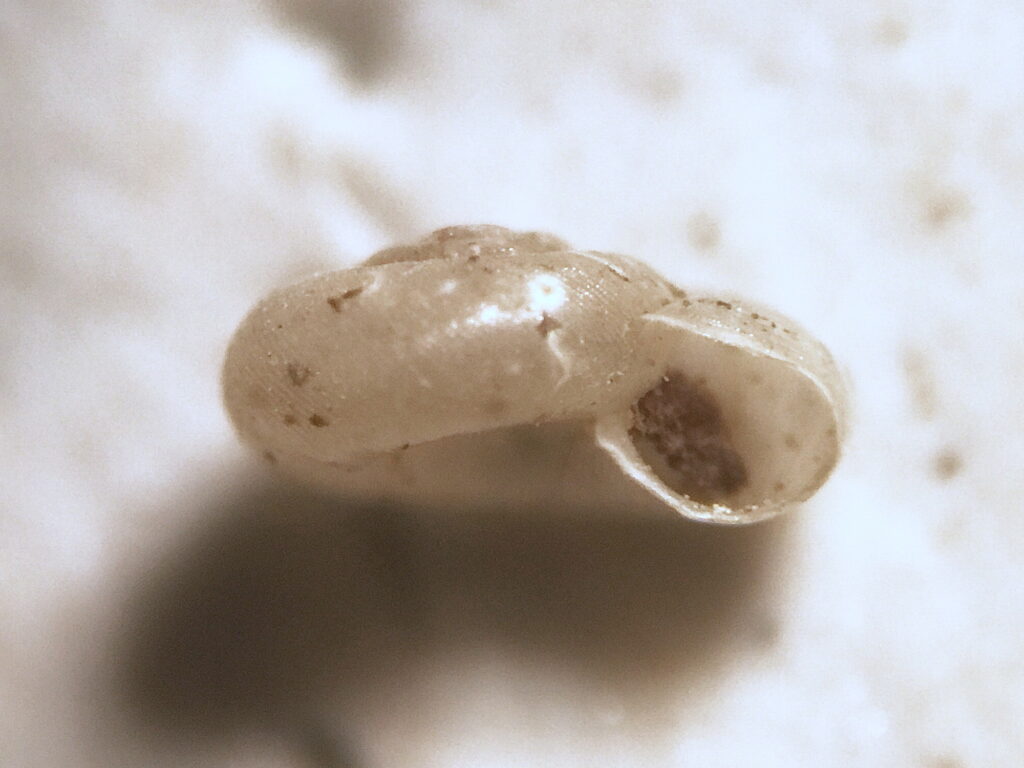
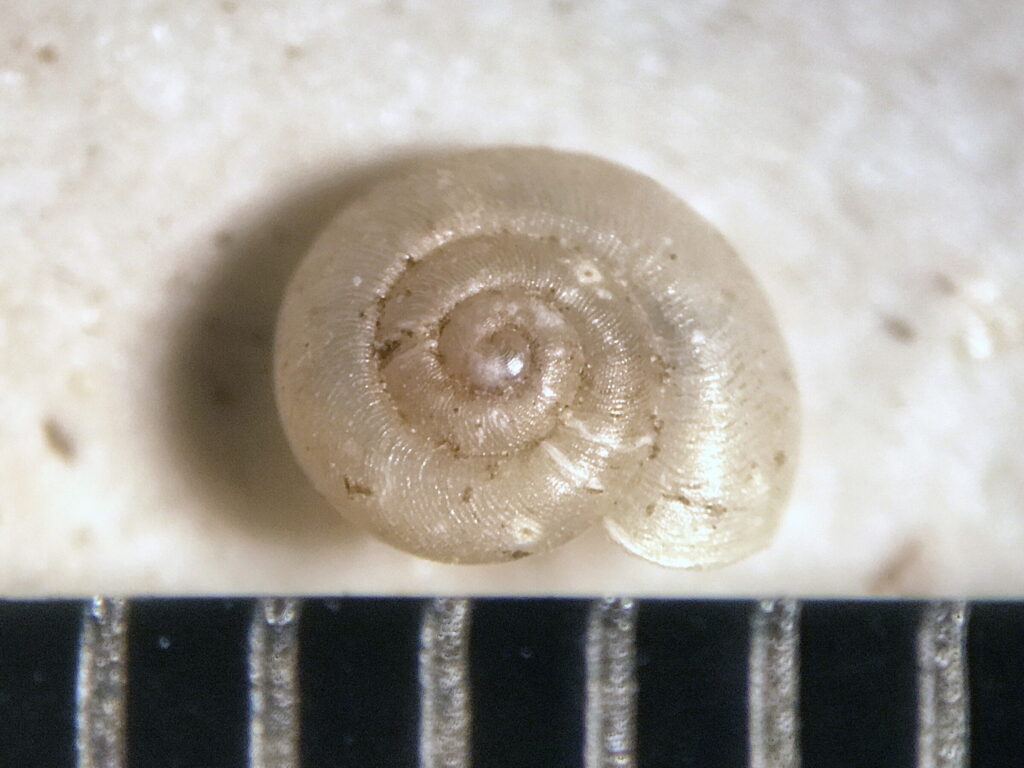
Striatura meridionalis

Image Usage Information

  • David Lang
  • CC BY-NC 4.0 DEED
  • Additional information about this specimen

Family: Gastrodontidae

Common name: Median Striate

Described by: Pilsbry and Ferriss, 1906

Identification

Width: 1.75 mm
Height: 1 mm
Whorls: 3.5

Striatura meridionalis has a depressed heliciform shell with fine radial ridges, very similar to S. milium. It differs in that it is slightly larger, has distinct, fine, spiral lirae on its nuclear whorl, and coarser shell microsculpture than S. milium. The umbilicus is open, and the aperture is angled downward slightly.

Ecology

Striatura meridionalis can be found in moist leaf litter in hardwood forests, and occasionally on floodplains. This animal is widespread and abundant in the central and southern Appalachian Mountains. It was the most common land snail in the Hiwassee River Basin of Tennessee (Coney et al, 1982), and the second most common snail on upland forest sites in western Maryland (Hotopp, 2002).

Taxonomy

Striatura meridionalis has also been known as Radiodiscus orizabensis, Striatura (Pseudohyalina) meridionalis, Vitrea milium meridionalis, and Zonitoides milium meridionalis.

Distribution

This species is found scattered throughout much of the southern United States, reaching as far west as Colorado, south to Texas and Florida, and north to Indiana and Ohio, though in places there are gaps in its range. It reaches its northeastern limit in New York State (Hotopp et al, 2010). In Virginia it is found throughout the state, though it may be underreported from the southern Piedmont.

Conservation

NatureServe Global Rank: G5
NatureServe State Rank: S4

sidebar

About

  • Mission & Commitments
  • Directors Team
  • Museum History

Get Involved

  • Volunteer
  • Membership
  • Carnegie Discoverers
  • Donate
  • Employment
  • Events

Bring a Group

  • Groups of 10 or More
  • Birthday Parties at the Museum
  • Field Trips

Powdermill

  • Powdermill Nature Reserve
  • Powdermill Field Trips
  • Powdermill Staff
  • Research at Powdermill

More Information

  • Image Permission Requests
  • Science Stories
  • Accessibility
  • Shopping Cart
  • Contact
  • Visitor Policies
One of the Four Carnegie Museums | © Carnegie Institute | Privacy Policy | Terms of Use | Accessibility
Rad works here logo