• Skip to primary navigation
  • Skip to main content
  • Skip to primary sidebar

Carnegie Museum of Natural History

One of the Four Carnegie Museums of Pittsburgh

  • Visit
    • Buy Tickets
    • Visitor Information
    • Exhibitions
    • Events
    • Dining at the Museum
    • Celebrate at the Museum
    • Powdermill Nature Reserve
    • Event Venue Rental
  • Learn
    • Field Trips
    • Educator Information
    • Programs at the Museum
    • Bring the Museum to You
    • Guided Programs FAQ
    • Programs Online
    • Climate and Rural Systems Partnership
  • Research
    • Scientific Sections
    • Science Stories
    • Science Videos
    • Senior Science & Research Staff
    • Museum Library
    • Science Seminars
    • Scientific Publications
    • Specimen and Artifact Identification
  • About
    • Mission & Commitments
    • Directors Team
    • Museum History
  • Tickets
  • Give
  • Shop

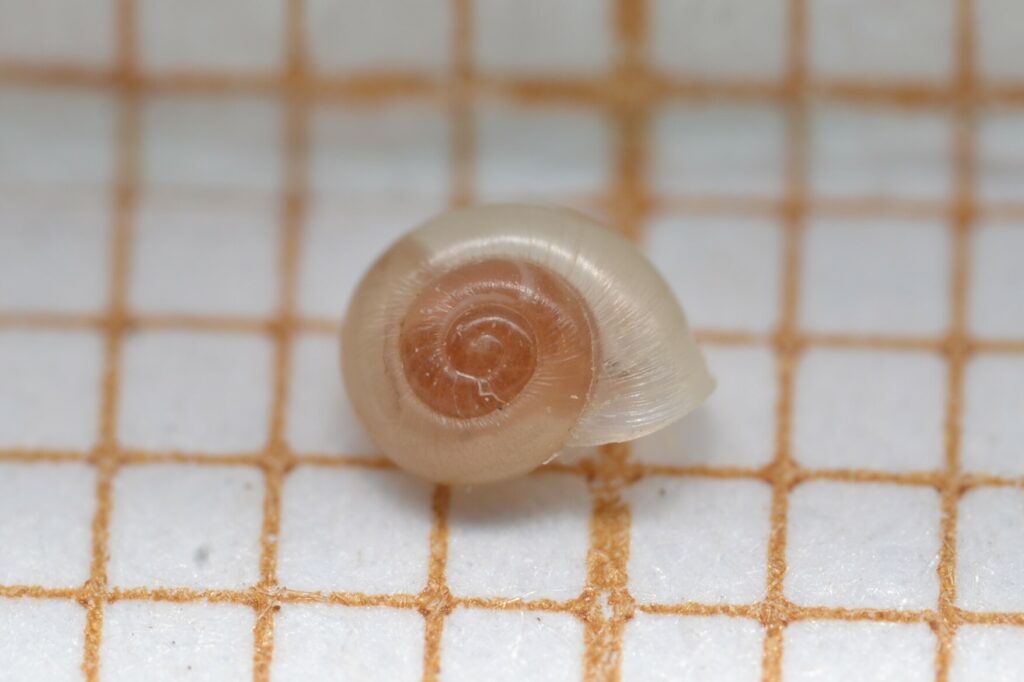
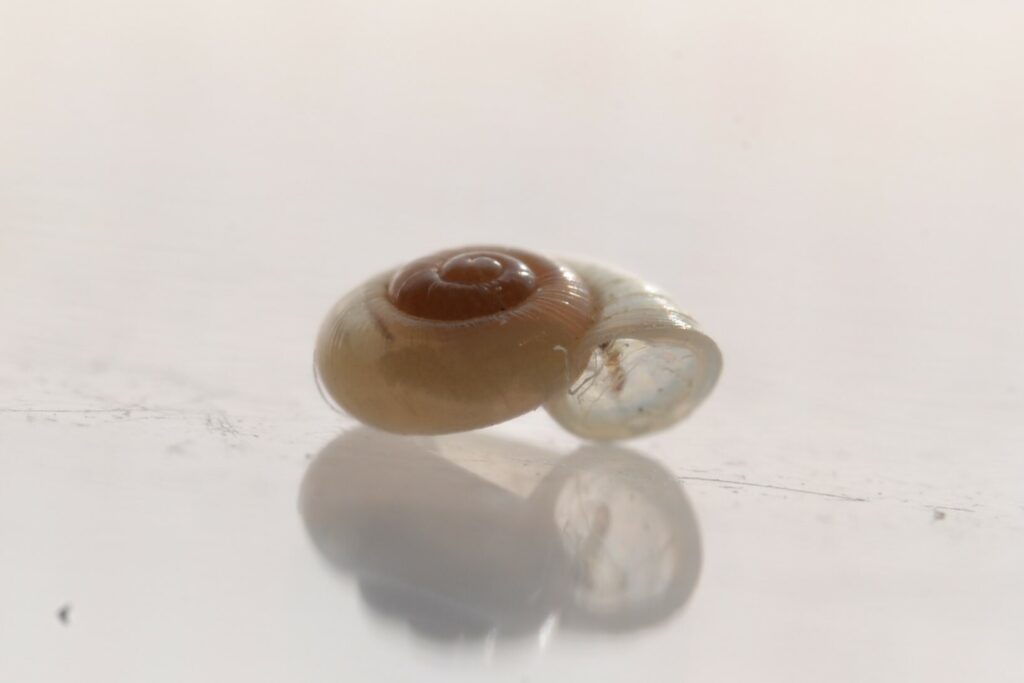
Vallonia excentrica

Image Usage Information

  • Nataël Adam
  • CC BY-NC 4.0 DEED
  • Additional information about this specimen

Family: Valloniidae

Common name: Iroquois Vallonia

Discovery: Sterki, 1893

Identification

Width: 2.3 mm
Height: 1.1 mm
Whorls: 3

This tiny animal’s shell is smooth or very finely striate, the umbilicus is open, and the apex is low. The edge of the round aperture is reflected toward the inside.

Ecology

Vallonia excentrica is found often in grassy places such as meadows or along roadsides and lawns, frequently accompanied by V. pulchella. This species is holarctic, found around the world at high latitudes (Kerney & Cameron, 1979; Hubricht, 1985), though other authors suggest its presence in anthropogenic habitats makes it a likely introduction in eastern North America (Nylander, 1936; Nekola, 2008).

Taxonomy

A synonym for V. excentrica is V. pulchella var. excentricoides.

Distribution

The range of this species in eastern North America runs from the Northeast to the central Great Lakes and Mid-Atlantic states, including coastal areas. It has been found scattered throughout various parts of Virginia. Pilsbry (1946-48) reports presumably introduced specimens from California, Oregon, and Mexico.

Conservation

NatureServe Global Rank: G5
NatureServe State Rank: S4

sidebar

About

  • Mission & Commitments
  • Directors Team
  • Museum History

Get Involved

  • Volunteer
  • Membership
  • Carnegie Discoverers
  • Donate
  • Employment
  • Events

Bring a Group

  • Groups of 10 or More
  • Birthday Parties at the Museum
  • Field Trips

Powdermill

  • Powdermill Nature Reserve
  • Powdermill Field Trips
  • Powdermill Staff
  • Research at Powdermill

More Information

  • Image Permission Requests
  • Science Stories
  • Accessibility
  • Shopping Cart
  • Contact
  • Visitor Policies
One of the Four Carnegie Museums | © Carnegie Institute | Privacy Policy | Terms of Use | Accessibility
Rad works here logo