• Skip to primary navigation
  • Skip to main content
  • Skip to primary sidebar

Carnegie Museum of Natural History

One of the Four Carnegie Museums of Pittsburgh

  • Visit
    • Buy Tickets
    • Visitor Information
    • Exhibitions
    • Events
    • Dining at the Museum
    • Celebrate at the Museum
    • Powdermill Nature Reserve
    • Event Venue Rental
  • Learn
    • Field Trips
    • Educator Information
    • Programs at the Museum
    • Bring the Museum to You
    • Guided Programs FAQ
    • Programs Online
    • Climate and Rural Systems Partnership
  • Research
    • Scientific Sections
    • Science Stories
    • Science Videos
    • Senior Science & Research Staff
    • Museum Library
    • Science Seminars
    • Scientific Publications
    • Specimen and Artifact Identification
  • About
    • Mission & Commitments
    • Directors Team
    • Museum History
  • Tickets
  • Give
  • Shop

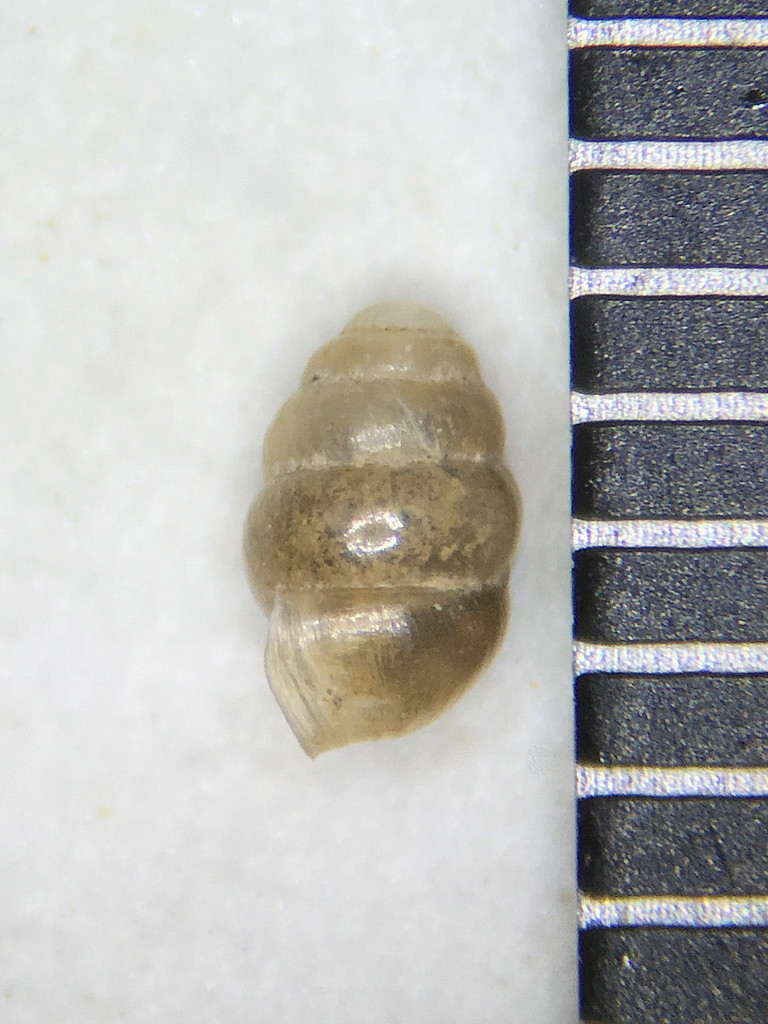
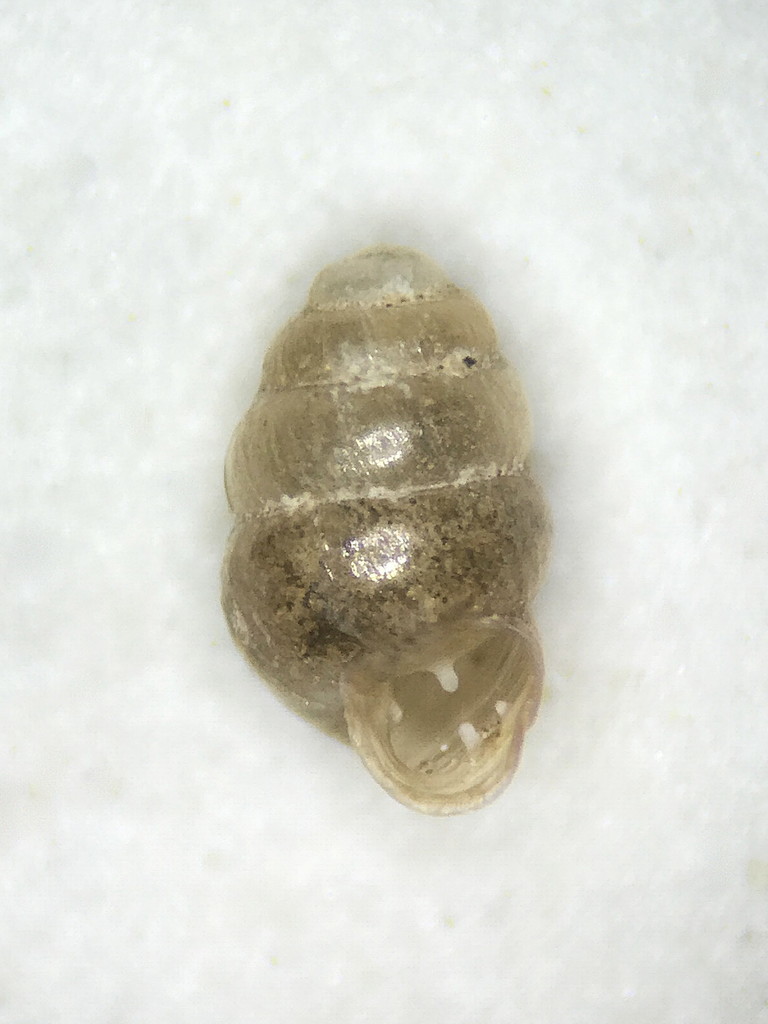
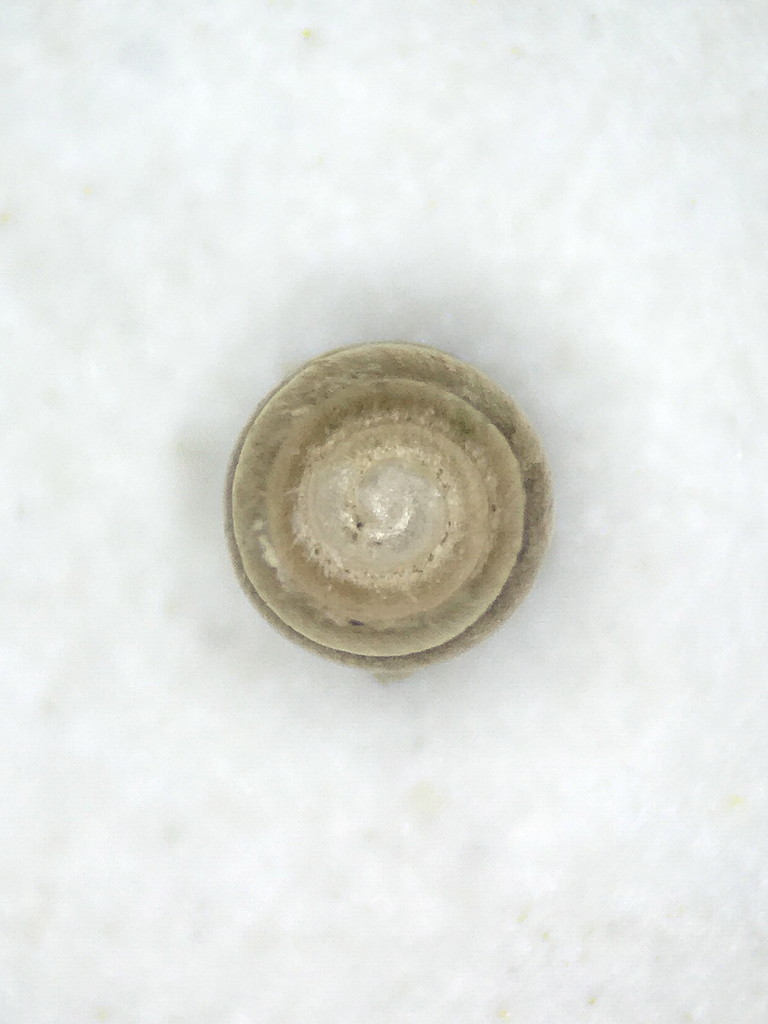
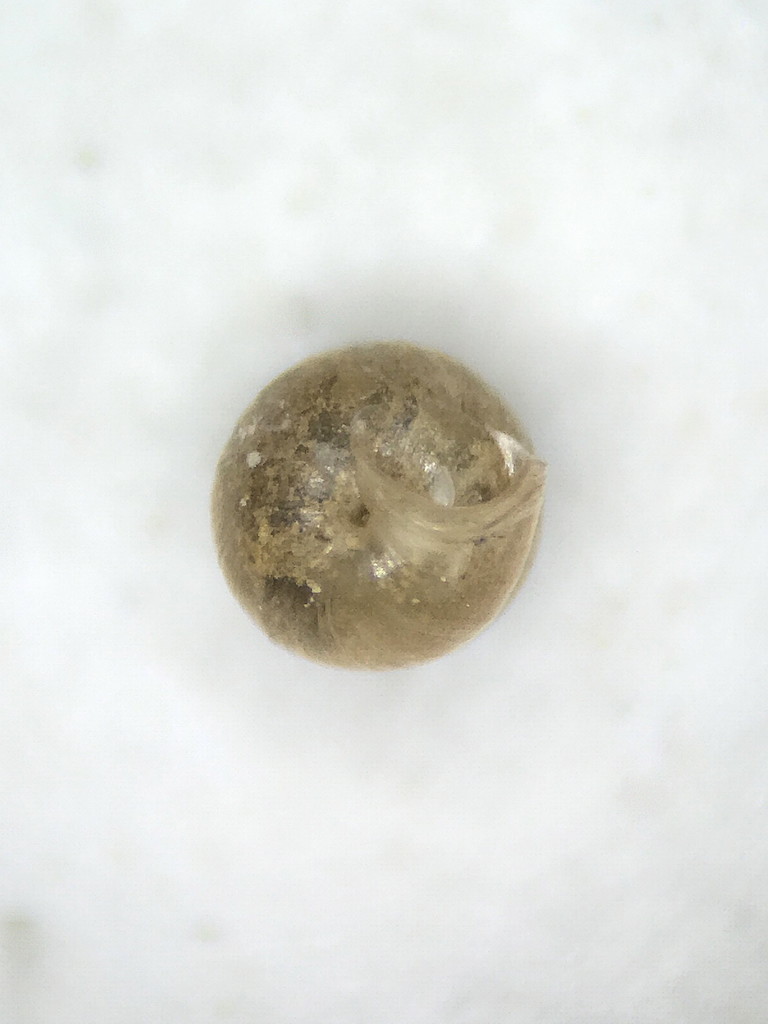
Vertigo tridentata

Image Usage Information

  • David Lang
  • CC BY-NC 4.0 DEED
  • Additional information about this specimen

Family: Vertiginidae

Common name: none

Described by: Wolf, 1870

Identification

Height: ~2.0 mm
Width: ~1.1 mm
Whorls: 4-5

Like Vertigo parvula, this species has a smooth shell surface, honey-yellow color, and lacks a basal lamella. It differs from V. parvula in its larger size, deeper suture, and common presence of an upper palatal lamella.

Ecology

Vertigo tridentata populations are found in graminiod thatch on calcareous prairie and bedrock glades, in well-decomposed leaf litter on shaded cliff ledges and talus, and occasionally in upland forest. Hubricht (1985) reported it crawling on mints, while Pilsbry (1948) mentioned it foraging over a meter off the ground on “weeds.” It has also been seen crawling on Sedum spp. on limestone cliff ledges in the Arkansas Ozarks (Nekola & Coles, 2010).

Taxonomy

This species has no synonyms.

Distribution

Vertigo tridentata ranges across east-central North America from the Texas Gulf coast and central Minnesota east through central Tennessee and southern Ontario to western Vermont and southern Quebec.

In Virginia this species is restricted to calcareous districts in the western mountains.

Conservation

NatureServe Global Rank: G5
NatureServe State Rank: S3

sidebar

About

  • Mission & Commitments
  • Directors Team
  • Museum History

Get Involved

  • Volunteer
  • Membership
  • Carnegie Discoverers
  • Donate
  • Employment
  • Events

Bring a Group

  • Groups of 10 or More
  • Birthday Parties at the Museum
  • Field Trips

Powdermill

  • Powdermill Nature Reserve
  • Powdermill Field Trips
  • Powdermill Staff
  • Research at Powdermill

More Information

  • Image Permission Requests
  • Science Stories
  • Accessibility
  • Shopping Cart
  • Contact
  • Visitor Policies
One of the Four Carnegie Museums | © Carnegie Institute | Privacy Policy | Terms of Use | Accessibility
Rad works here logo