• Skip to primary navigation
  • Skip to main content
  • Skip to primary sidebar

Carnegie Museum of Natural History

One of the Four Carnegie Museums of Pittsburgh

  • Visit
    • Buy Tickets
    • Visitor Information
    • Exhibitions
    • Events
    • Dining at the Museum
    • Celebrate at the Museum
    • Powdermill Nature Reserve
    • Event Venue Rental
  • Learn
    • Field Trips
    • Educator Information
    • Programs at the Museum
    • Bring the Museum to You
    • Guided Programs FAQ
    • Programs Online
    • Climate and Rural Systems Partnership
  • Research
    • Scientific Sections
    • Science Stories
    • Science Videos
    • Senior Science & Research Staff
    • Museum Library
    • Science Seminars
    • Scientific Publications
    • Specimen and Artifact Identification
  • About
    • Mission & Commitments
    • Directors Team
    • Museum History
  • Tickets
  • Give
  • Shop

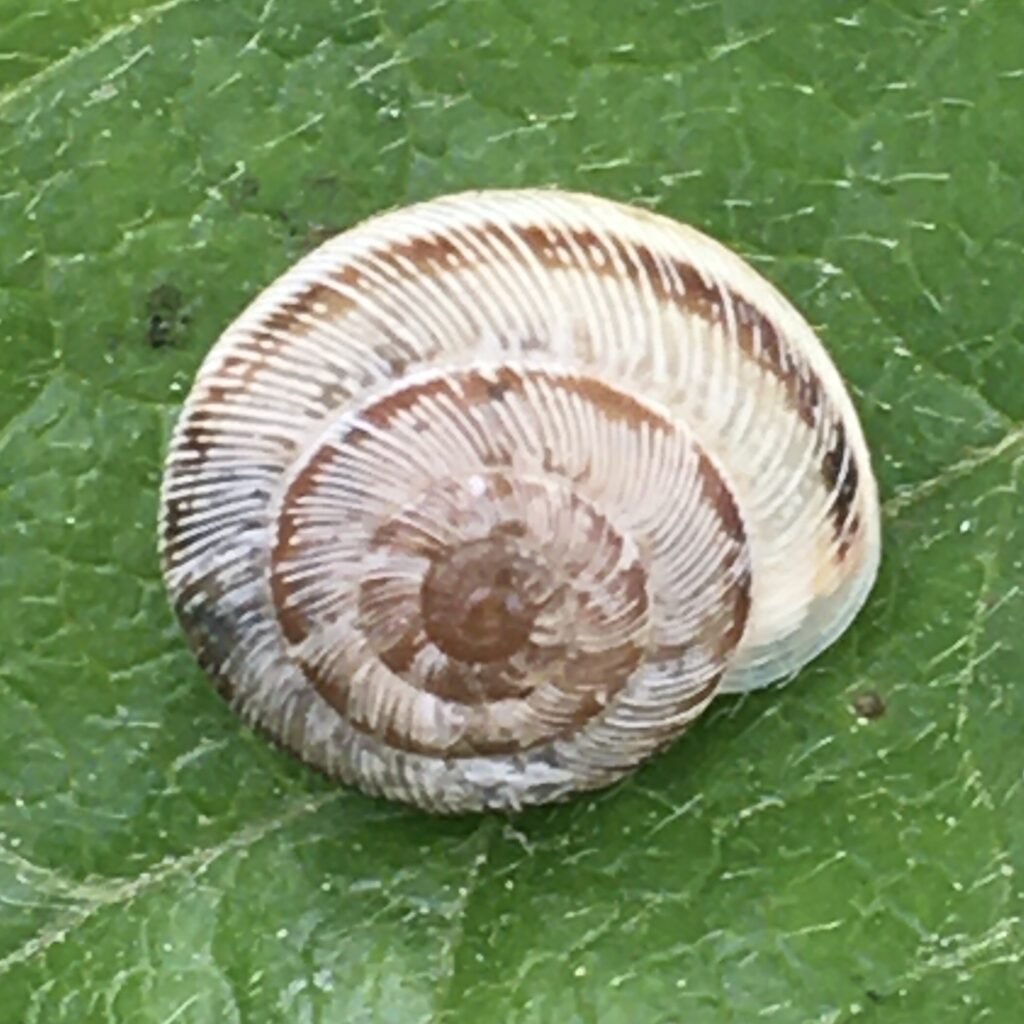
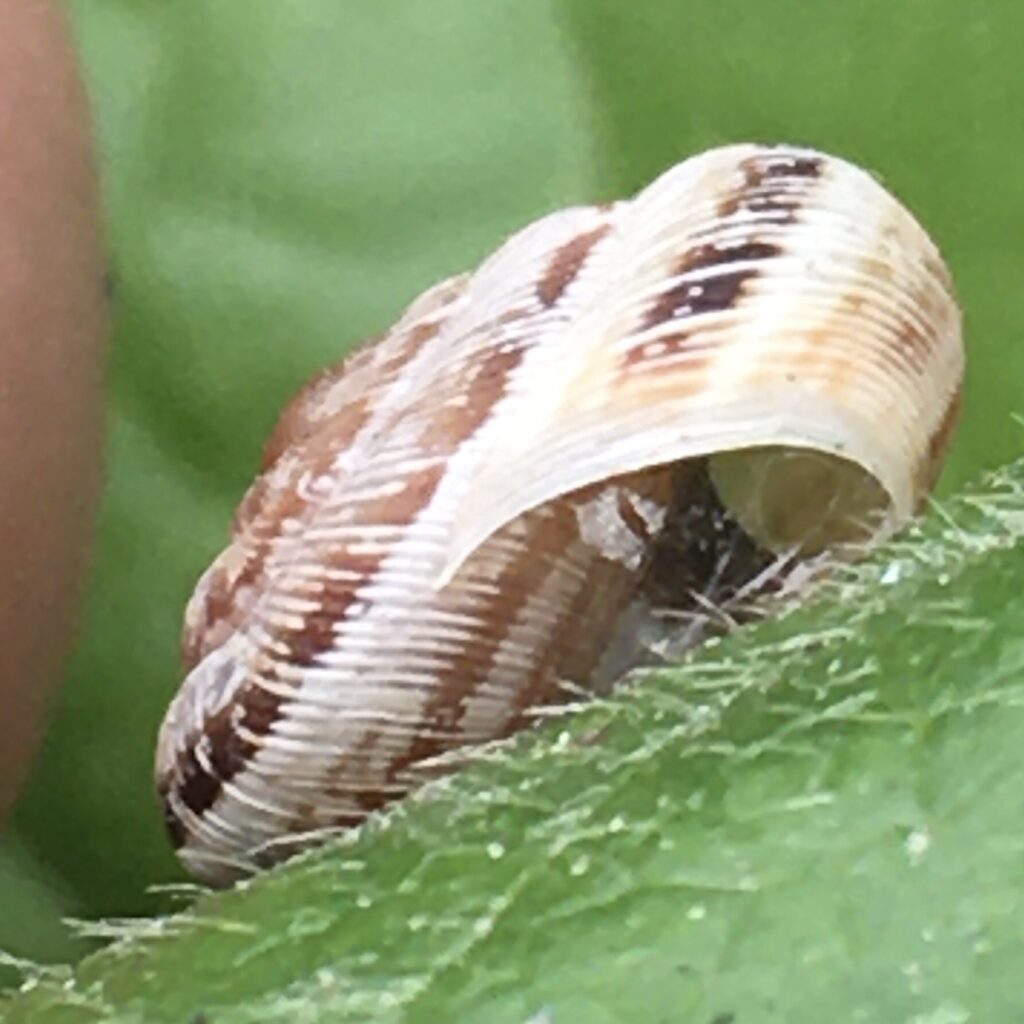
Xeroplexa intersecta

Image Usage Information

  • bitsnbirds
  • CC BY-NC 4.0 DEED
  • Additional information about this specimen

Family: Hygromiidae

Common name: Wrinkled Helicellid

Discovery: Poiret, 1801

Identification

Width: 7-13 mm
Height: 5-8 mm
Whorls: 5-6.5

The shell of Xeroplexa intersecta is a depressed heliciform shape with an apex that is a low, pointed dome. The umbilicus is deep and wide. Inside the aperture is a continuous callus, except upon the body whorl. The shell has irregular radial growth wrinkles, sporadically pronounced. Coloration is brown, reddish, or blackish broken stripes upon a tan or light brown background. Some shells are unbanded. The animal is gray above but paler or yellowish below.

Ecology

Xeroplexa intersecta is introduced from western Europe. Its habitat is dry and open landscapes (Kerney & Cameron, 1979), and agricultural lands. It is a pest of fruit and fruit trees (White-McLean).

Taxonomy

A synonym for X. intersecta is Helicella caperata.       

Distribution

This snail is introduced globally, including South America, Australia, and the West and East Coasts of North America. In Virginia specimens have been found on the southern coast.

Conservation

NatureServe Global Rank: G5, Secure

sidebar

About

  • Mission & Commitments
  • Directors Team
  • Museum History

Get Involved

  • Volunteer
  • Membership
  • Carnegie Discoverers
  • Donate
  • Employment
  • Events

Bring a Group

  • Groups of 10 or More
  • Birthday Parties at the Museum
  • Field Trips

Powdermill

  • Powdermill Nature Reserve
  • Powdermill Field Trips
  • Powdermill Staff
  • Research at Powdermill

More Information

  • Image Permission Requests
  • Science Stories
  • Accessibility
  • Shopping Cart
  • Contact
  • Visitor Policies
One of the Four Carnegie Museums | © Carnegie Institute | Privacy Policy | Terms of Use | Accessibility
Rad works here logo