Archaeology usually conjures up Indiana Jones as an example of the thrills and dangers of archaeological research. Archaeology is a relatively safe occupation, although there are exceptions, such as the archaeologist who stood on top of a Mayan pyramid who was struck by lightning. There are many fields of archaeology that focus on geographic areas and time periods, from hunters and gatherers over hundreds of thousands of years to the last 10,000 years of the rise of civilizations around the world. There are many cultural specialties in archaeology such as Egyptology, Classical archaeology, focusing on the Mediterranean Greek and Roman, Mayan, Inca, U.S. Southwest and so forth. A field represented in Pittsburgh is Biblical archaeology at the Pittsburgh Theological Seminary with its Kelso Museum of Near Eastern Archaeology. At the University of Pittsburgh in the Department of Anthropology there is a focus on Mexico, Central and South America, Eastern Europe, China, and Central Asia with currently over 30 graduate students and faculty conducting research in these regions.
The Section of Anthropology of the Carnegie Museum of Natural History, for over 100 years, has conducted archaeological research in Egypt, Israel, Central Asia, Caribbean, Costa Rica, Peru, the Upper Ohio Valley and holds collections from other areas of the Americas and the world though donations or purchase. The richness of the Section’s collections can be seen in Walton Hall of Ancient Egypt, Polar World: Wyckoff Hall of Arctic Life, and Alcoa Foundation Hall of American Indians.
From an early age I wanted to be an archaeologist. My father was worried that archaeology wouldn’t provide much of a livelihood, so he arranged a visit with the director of the Peabody Museum at Harvard when I was a teenager. My father asked the director J. O Brew if one could make a living as an archaeologist and he answered, “it’s better if you’re independently wealthy.” This didn’t deter me from following my dream of becoming an archaeologist. My archaeological career is filled with luck and serendipity where seizing an offered archaeological opportunity or discovery of a significant artifact, not only guided my research, but where I worked. I have a parallel career in historic colonial sites and in prehistoric maritime adaptations. I became intrigued with archaeology at an early age visiting the Springfield Science Museum and joining a chapter of the Massachusetts Archaeological Society based at the museum. I went out on their excavations at sites in the Connecticut River Valley, one which was in 1957 in South Hadley where I learned how to uncover burials. From summering in the Lake George area of New York State I became interested in historic archaeology due to all the French and Indian War (1754-1763) forts in the region. In 1952 at age 16, I was a crew member for two summers at the excavations of Fort William Henry, made famous by James Fenimore Cooper’s novel The Last of the Mohicans.
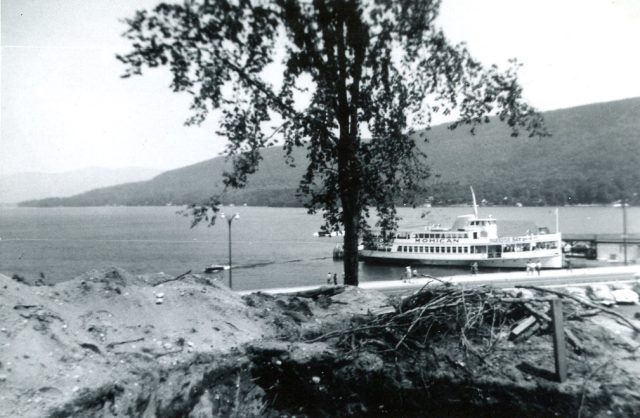
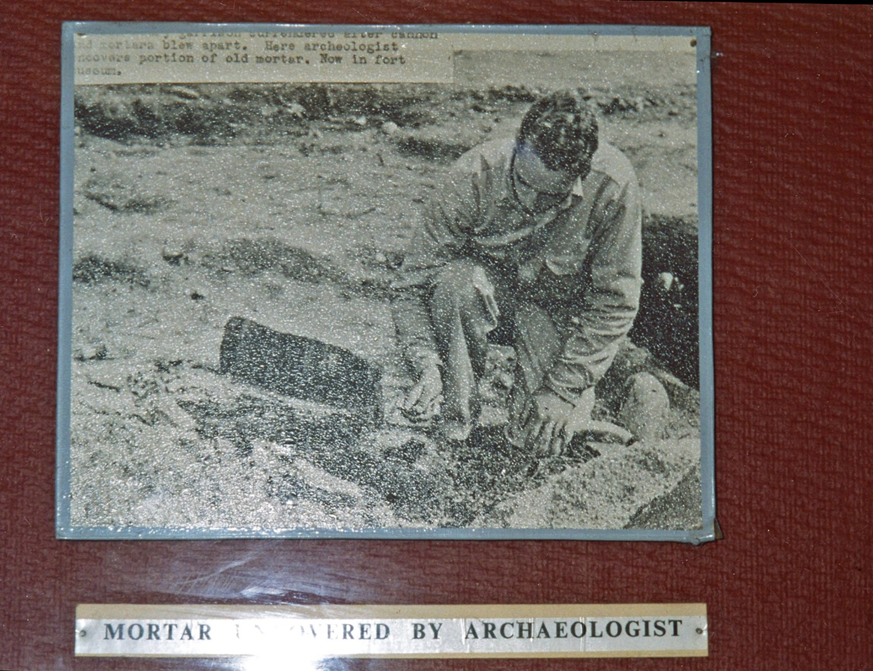
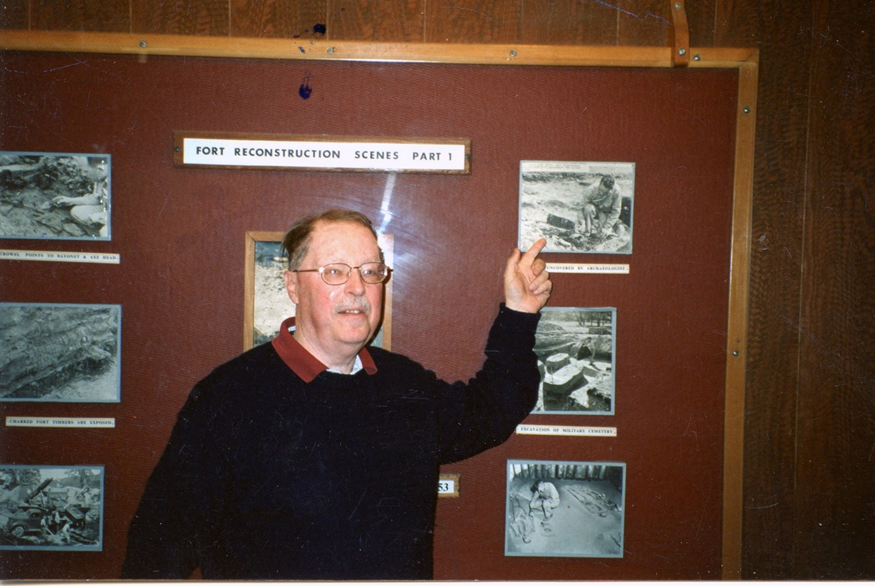
I also summered on Martha’s Vineyard where in 1954 I dug at a coastal site with an associate of the Martha’s Vineyard Museum which stimulated my desire to become a maritime archaeologist. At St. Lawrence University I majored in Sociology and Anthropology and in 1957 I wrote a letter to the Smithsonian Institution asking to go on one of their expeditions and was accepted on a crew that set up a tent camp on the Big Bend of the Missouri River in South Dakota excavating at the Black Partisan village site. While at SLU I also was a crew member in 1959 at the excavations of Johnson Hall in Johnstown, NY, the home of Sir William Johnson, the British Superintendent of Indian Affairs during the French and Indian War.
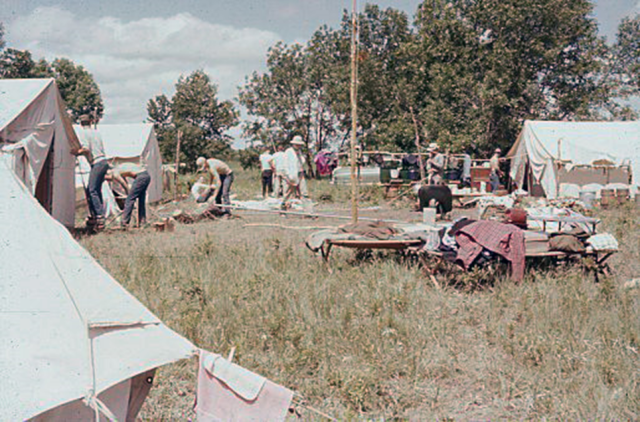
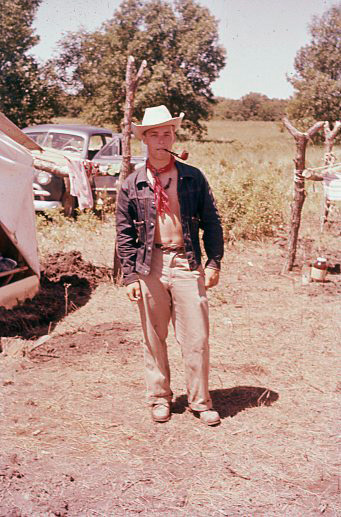
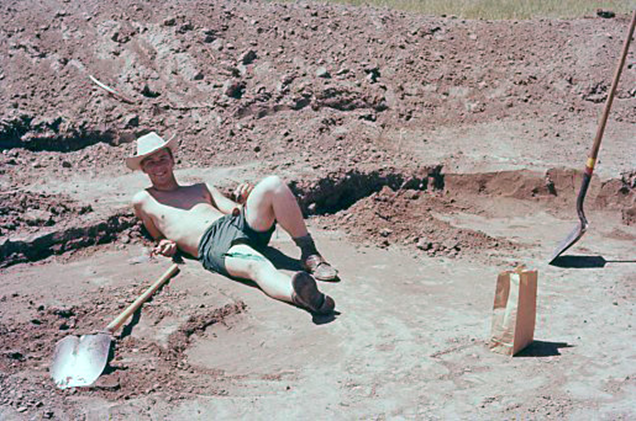
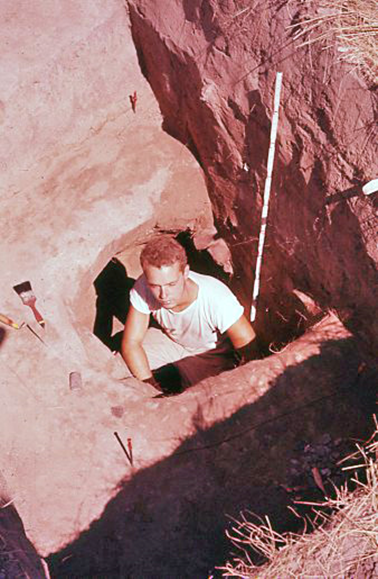
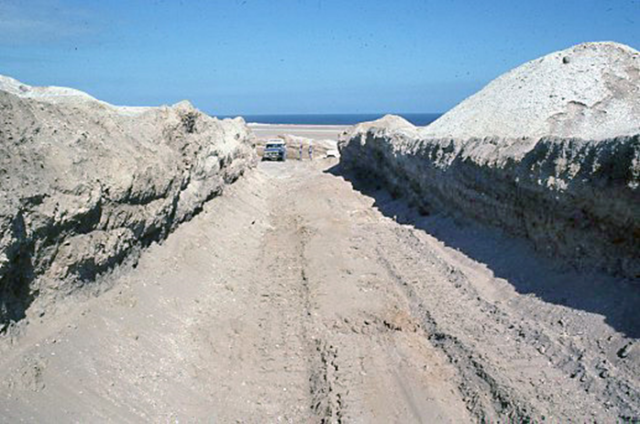
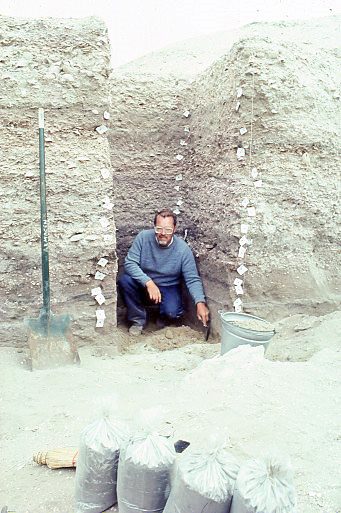
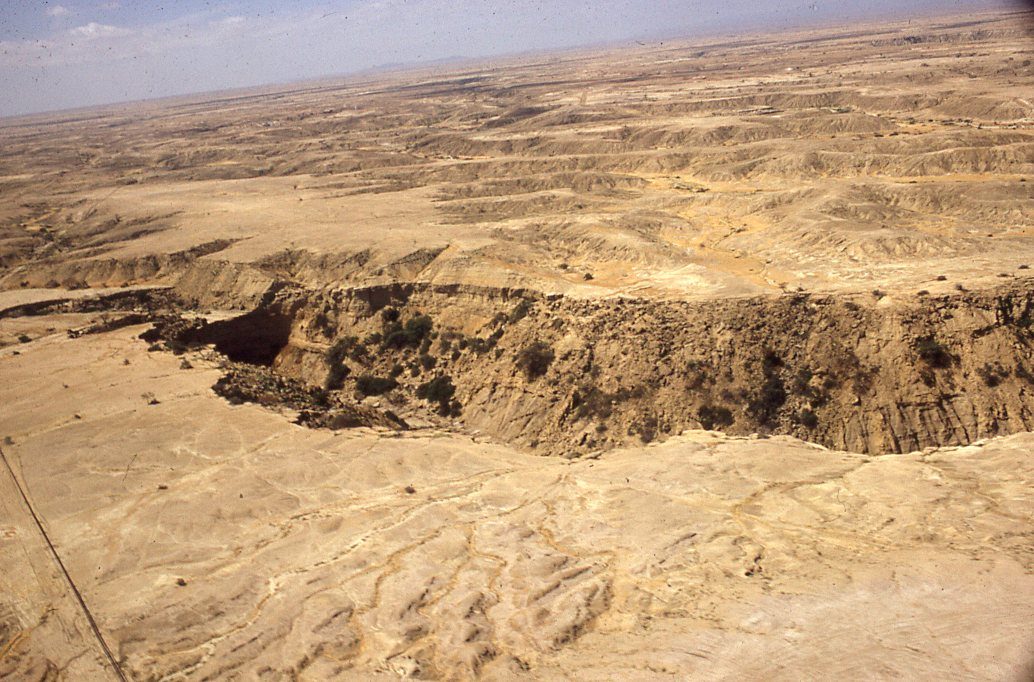
At Syracuse University for my master’s, I crewed in 1962-63 on 3 sites in up-state New York directed by William A. Ritchie, the State Archaeologist from the New York State Museum. I mentioned to him my interest in maritime archaeology and urged him to develop a research project on Martha’s Vineyard, which he did, excavating 6 sites from 1962-1966 on which I of course I participated. After Syracuse in 1963, I with my wife Judy went to the University of Illinois for my Ph.D. in northeastern U.S. archaeology, focusing on the maritime Vineyard. Here one of my advisors came out of his office and shouted down the hall to me “Jim, do you want to go to Peru?” To which I replied, “of course if you’re paying.” An excellent case of seizing the moment that fit well with my career goal of becoming a maritime specialist. In 1965 my wife Judy and I went to Talara, the second oldest operating oil field in the world after Drake well in western PA. Talara is 100 miles south of the Ecuadorian border and here I located an 8,000-year-old shell midden called Siches, which held evidence from warm and cold ocean fish and shellfish species. Based on the evidence at this coastal fishing and shellfish gathering society and other sites on the coast of Peru I and my colleague Dan Sandweiss, a Research Associate of the Section, developed the theory that this was evidence of a major shift in the change from a warm water to a cold water current washing the Peruvian north coast and the origins of El Niño around 5,800 years ago, the worldwide drought and flood disasters. My doctorate in 1969 was on the changing climate and coastal sites in the Talara region. I also dug in southern Peru at the Ring Site, an 10,500-year-old massive shell midden with cold water fish and shellfish. In addition, my students and I surveyed pyramid centers in the Talara area as well.
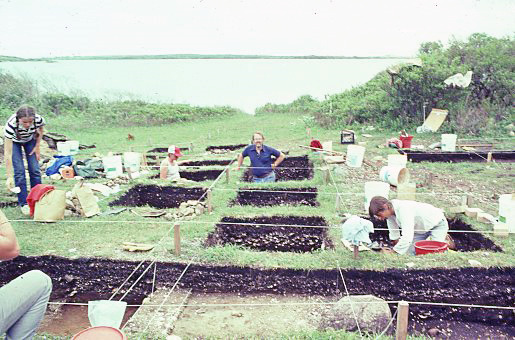
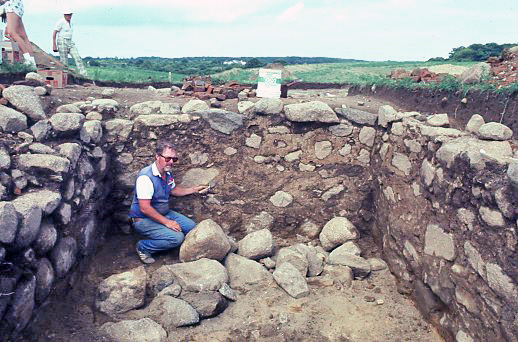
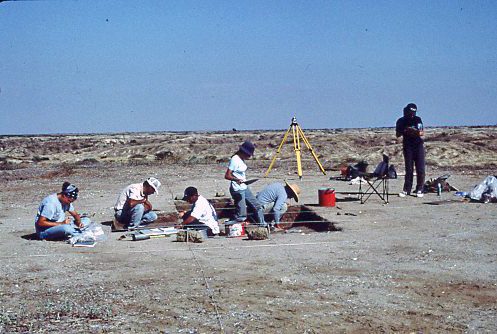
I did return to Martha’s Vineyard in the early 80’s excavating 2 shell middens and a Colonial house site of missionaries to the Wampanoag. In western Pennsylvania in 1970 I directed a field school for the University of Pittsburgh at the Revolutionary War site of Hanna’s Town in Westmoreland County, the first County Seat west of the Alleghenies. This town of 30 log cabins and a fort was destroyed by an Iroquois and British attack in 1782. Here we excavated Charles Foreman’s tavern.
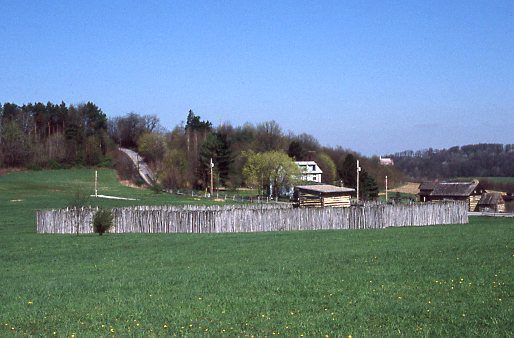
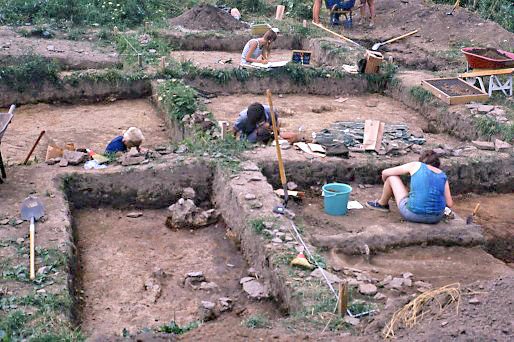
I came to the University of Pittsburgh in 1967, retiring in 2009. While at Pitt serving as chairman, I was approached by then director Dr. Craig Black to take over the chair of the Section of Anthropology in 1978 and accepted a half-time position as chief curator until my retirement in 2006. The only thing that has changed in my retirements was receiving a salary! I am currently writing up some sites from my Peruvian and Martha’s Vineyard research and have a book in press on a colonial site on Martha’s Vineyard where I am a board member of the museum. I am also still involved with Pitt graduate students and in programs at the Carnegie Museum of Natural History, so little has changed in my archaeological career since I first put a shovel in the ground in 1952.
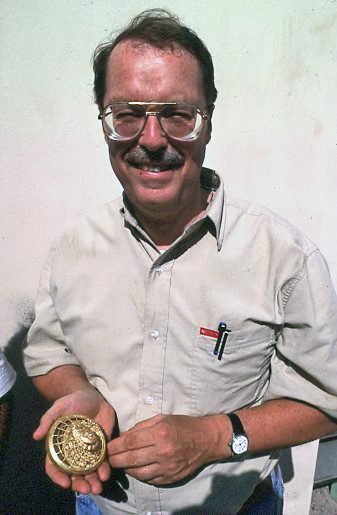
Dr. James B. Richardson III is Curator Emeritus in the Section of Anthropology at Carnegie Museum of Natural History and University of Pittsburgh Anthropology Professor Emeritus. Museum employees are encouraged to blog about their unique experiences and knowledge gained from working at the museum.
Related Content
Pennsylvania Archaeology and You
Super Science Activity: Natural Paints
Carnegie Museum of Natural History Blog Citation Information
Blog author: Richardson, JamesPublication date: March 5, 2021
