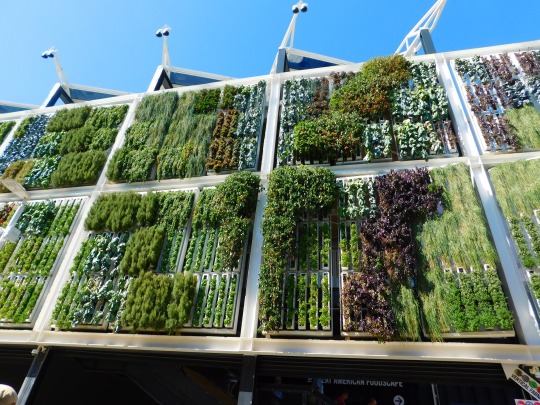
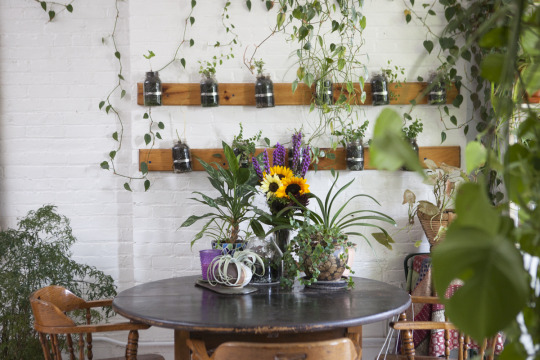
What do cities do when they run out of space? They grow higher.
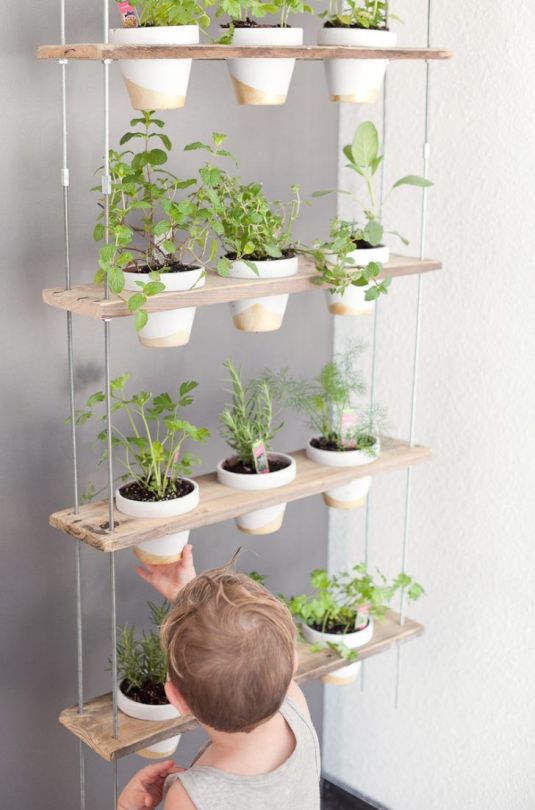
Now, gardens are doing the same thing. Rising in urban areas is the space-efficient sibling of traditional backyard gardens—vertical gardening. Racks full of pots, intricate schemes of hanging baskets, or any combination of growing containers bring some greenery to urban areas where space is tight.
Vertical gardening can be simple if you take care to set yourself up for success. Philip Yates, founder of The Vertical Gardening Institute, encourages the planting of personal vertical gardens and shares helpful tips to get started.
- Choice of garden space and its access to sun is essential.
- When building the actual structure of the garden, it has to be done right. A weak structural base may lead to collapse when the plants grow big enough to show, quite literally, the fruits of your labor.
- Feel free to mix and match fruits, vegetables, herbs, and non-food bearing plants. The way your garden looks and feels should be exactly what you want as long as the plants you choose can thrive in your chosen garden space and climate. Pittsburgh is a Zone 6 climate, which supports produce like beans, blueberries, chives, and rosemary.
Do-It-Yourself websites have more information and ideas on how to start to bring a little more green into your small space.
Are you planning a vertical garden this spring? Share your success photos with us, and use the hashtag #WeAreNaturePGH.
This year, we are sharing simple tips and tricks for greener living in tandem with our exhibition We Are Nature: Living in the Anthropocene, which explores the interconnected relationship between humans and our environment. A first of its kind in North America, the exhibition utilizes interactive exhibits, innovative gallery design, and specimens from our hidden collection in an unflinching exploration of the Anthropocene.
The Anthropocene is the current geological era in which humans are making a
profound impact on the geological strata. While the term itself is still being debated by geologists, the museum is embracing it as a social and cultural tool for exploring the broad sum effect humans are having on the planet.
