• Skip to primary navigation
  • Skip to main content
  • Skip to primary sidebar

Carnegie Museum of Natural History

One of the Four Carnegie Museums of Pittsburgh

  • Visit
    • Buy Tickets
    • Visitor Information
    • Exhibitions
    • Events
    • Dining at the Museum
    • Celebrate at the Museum
    • Powdermill Nature Reserve
    • Event Venue Rental
  • Learn
    • Field Trips
    • Educator Information
    • Programs at the Museum
    • Bring the Museum to You
    • Guided Programs FAQ
    • Programs Online
    • Climate and Rural Systems Partnership
  • Research
    • Scientific Sections
    • Science Stories
    • Science Videos
    • Senior Science & Research Staff
    • Museum Library
    • Science Seminars
    • Scientific Publications
    • Specimen and Artifact Identification
  • About
    • Mission & Commitments
    • Directors Team
    • Museum History
  • Tickets
  • Give
  • Shop

New England Aster – Aren’t you glad you Aster?

by Bonnie Isaac

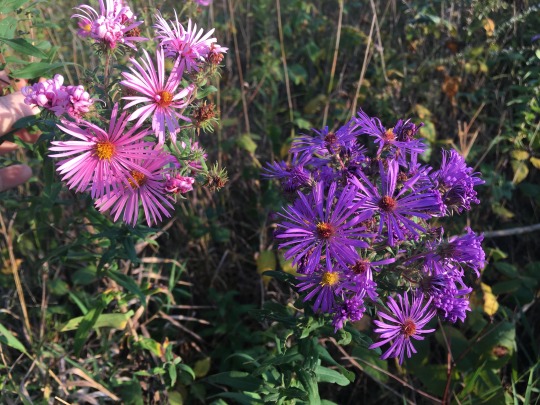
New England Aster

Fall is typically the time of year when we think plants are getting ready for winter. Think of trees changing colors and losing their leaves. Actually, some plants are just beginning to come into their own at this time of year.  The New England Aster is at its prime bloom now.  The purple, or sometimes pink, ray flowers are a spectacular sight along our open roadsides and fields.
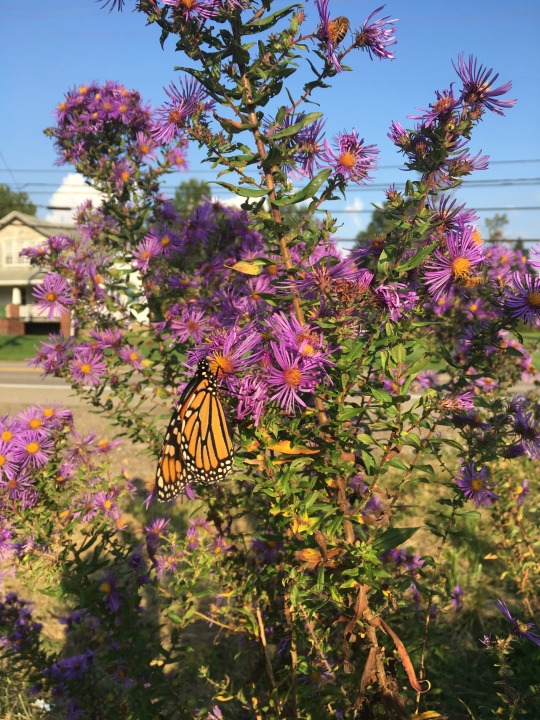
Monarch butterfly on New England Aster

New England Aster is common across Pennsylvania and is known from almost all counties in the commonwealth. This beautiful plant is a member of the Aster family which is commonly called the Composite family.  This family is called the composite family because the flower heads are made up of many small flowers (florets) close together composing what looks like one larger flower.
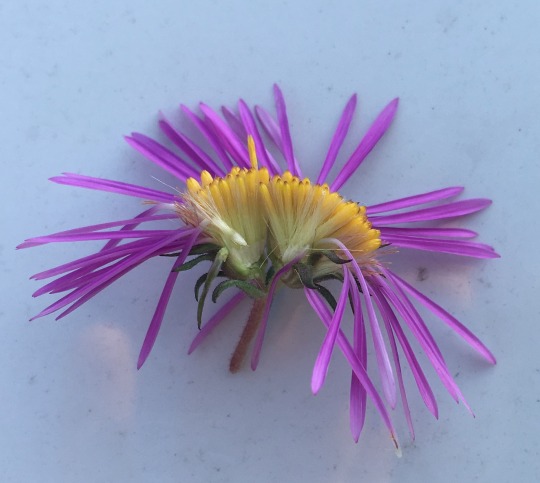
detail of New England Aster florets


Next time you look at a dandelion, daisy, or sunflower, look closely. You can see many florets. Flowers, like the New England Aster, that bloom late in the year, are very important sources of nectar for bees and butterflies.

Bonnie Isaac is the Collection Manager in the Section of Botany. Museum employees are encouraged to blog about their unique experiences and knowledge gained from working at the museum.

sidebar

About

  • Mission & Commitments
  • Directors Team
  • Museum History

Get Involved

  • Volunteer
  • Membership
  • Carnegie Discoverers
  • Donate
  • Employment
  • Events

Bring a Group

  • Groups of 10 or More
  • Birthday Parties at the Museum
  • Field Trips

Powdermill

  • Powdermill Nature Reserve
  • Powdermill Field Trips
  • Powdermill Staff
  • Research at Powdermill

More Information

  • Image Permission Requests
  • Science Stories
  • Accessibility
  • Shopping Cart
  • Contact
  • Visitor Policies
One of the Four Carnegie Museums | © Carnegie Institute | Privacy Policy | Terms of Use | Accessibility
Rad works here logo