When the sun goes down, you may think nature observations are over for the day, but darkness brings out a whole new group of creatures to look for. With the City Nature Challenge on iNaturalist coming up April 24th-27th, we wanted to give you some tips for observing nature at night.
Using Your Senses
It’s harder to see at night, so you should try using some other senses to explore. What can you find if you listen very carefully, or use your nose as a guide? You can even record sound files and share them on iNaturalist – they count for the City Nature Challenge!
Safety comes first, though, especially in the dark. Try not to startle or disturb animals, and keep them (and you!) safe by avoiding any physical contact.
Nighttime Observations
• Earthworms, snails, and other creatures with damp body surfaces tend to take cover during the day to protect themselves from drying out in the sun. At night, try spotting their slimy trails across pavement or grass with a flashlight. You may not find the animals, but their trails will let you know they’re nearby.
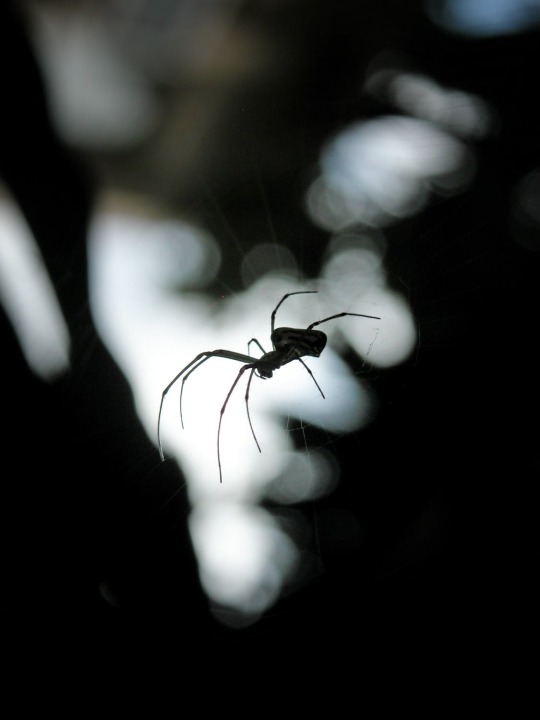
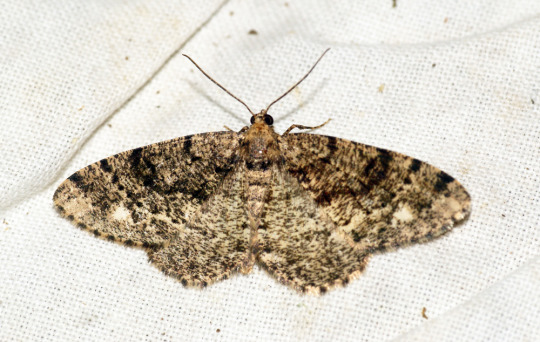
• If you have a porch light, you may be able to watch creatures from the comfort of your home. The light will draw in insects like moths, in turn attracting hungry creatures like spiders. Can you find a web-spinning arachnid hunting for its next meal?
• Try exploring with a red light! Use a headlamp with a red light setting, or tape a piece of red paper to the front of your flashlight and explore your backyard. Red light is easier on your eyes and causes less disruptions of animal behaviors than a white light.
•Be sure to check any flowers in your yard. Pollinators visit them both day and night!
•Attract bugs with a white sheet. Hang or lay a sheet in your back yard and shine a light on it. Insects will fly around then settle on your sheet so you can observe and photograph them.
We want to see your nighttime discoveries! Share your photos and sounds on iNaturalist between April 24-27, or use the hashtag #CityNatureChallenge and tag @CarnegieMNH on Facebook, Instagram, or Twitter.
Fun Fact
If you’re having trouble observing nature around you, visit the Explore tab of the iNaturalist App. This will let you see what iNaturalist users are observing all over the world!
