• Skip to primary navigation
  • Skip to main content
  • Skip to primary sidebar

Carnegie Museum of Natural History

One of the Four Carnegie Museums of Pittsburgh

  • Visit
    • Buy Tickets
    • Visitor Information
    • Exhibitions
    • Events
    • Dining at the Museum
    • Celebrate at the Museum
    • Powdermill Nature Reserve
    • Event Venue Rental
  • Learn
    • Field Trips
    • Educator Information
    • Programs at the Museum
    • Bring the Museum to You
    • Guided Programs FAQ
    • Programs Online
    • Climate and Rural Systems Partnership
  • Research
    • Scientific Sections
    • Science Stories
    • Science Videos
    • Senior Science & Research Staff
    • Museum Library
    • Science Seminars
    • Scientific Publications
    • Specimen and Artifact Identification
  • About
    • Mission & Commitments
    • Directors Team
    • Museum History
  • Tickets
  • Give
  • Shop

September 26, 2017 by

Book a Video Conference

Book a Video Conference

Please fill out the form or call 412.622.3288 or email ProgramRegistration@carnegiemuseums.org with any questions or concerns.

Carnegie Museum of Natural History welcomes all visitors. We work to assist visitors with disabilities in obtaining reasonable and appropriate accommodations, and in supporting equal access to services, programs, and activities.

[gravityform id=”7″ title=”false” description=”false”]
Filed Under: Uncategorized

April 4, 2017 by

Scientists Live

Scientists Live

Scientists Live Logo and Banner

Museum researchers share information about their scientific work and answer questions from commenters as part of the new web series, Scientists Live. This new series is designed to give our followers a glimpse at hidden collections and a peek at the great science happening at the museum every day.

Viewers can tune into the free broadcast on Carnegie Museum of Natural History’s Facebook page. A recording will be posted later for those unable to watch live.

Previously on Scientists Live

You can tune in anytime here or on Carnegie Museum of Natural History’s Youtube channel to binge watch the whole Scientists Live series.

Jennifer Sheridan

Jennifer Sheridan, Assistant Curator of Herpetology (Reptiles and Amphibians) talks about her trip to Borneo to study frogs. This episode of Scientists Live includes the answers to fun questions like How do you catch a frog? Are there poisonous frogs in the USA? and How do you say "frog" in Malay?

Mason Heberling

Mason Heberling in the botany department teaches us how pressed botany collections held together in our Herbarium can be useful today! Discover how plants have changed over the past one hundred years thanks to Mason's incredible research.

Sue McLaren

Sue divulges the secrets of the animals we see every day in our own backyards--squirrels! How many different kinds of squirrel can there possibly be, and what do they do differently? How long can they live without a tail? She even has the inside knowledge on all the black squirrels lingering around Schenely Park.

Erin Peters

Have you ever been interested in Ancient Egypt? Erin Peters, the museum's resident expert, is continuously working on something new and this Scientists Live video is a great place to see just a little of what is in the museum's collection.

Filed Under: Bring the Museum to your Classroom, Resources for Teachers

March 29, 2017 by

Field Trip or Group Visit & Scholarship Request

Book a Field Trip / Group Visit

Fill out my online form.

Scholarship / Funding Information

Carnegie Museums of Art and Natural History offer limited scholarship funding each year for K–12 schools and groups who demonstrate financial need. If you are interested in applying for scholarship assistance, please review the guidelines below.

How do I know if I qualify?

Funding is based on financial need. Decisions about disbursements are made based on the table below.

Indicator of Financial Need% Scholarship to Allocate
40% students eligible for Free & Reduced LunchUp to 100% Scholarship
20-40% students eligible for Free & Reduced LunchUp to 50% Scholarship
<20% students eligible for Free & Reduced LunchNot Eligible for Scholarship Funds

What does the funding cover?

Depending upon available funding sources, grants may cover partial or full program fees. Funding is contingent upon participation by your group in a museum educational program. Funding is not available for student lunches or transportation.

In order to extend funds to as many students as we can, we may offer partial funding based on your school’s or group’s needs and our program costs. We receive many requests and try to match every request with appropriate funding whenever possible, but group scholarship funds are limited.

How do I know if I received funding?

When we have received your application and visit request, we will check them against our group calendar and current funding opportunities, and email you with your visit dates and funding amounts.

Filed Under: Uncategorized

November 30, 2016 by

Teacher Loyalty Program

Teacher Appreciation Program

K–12 teachers deserve to be rewarded for dedicating their time and resources to education, and Carnegie Museum of Natural History can be part of that reward. Sign up for the Teacher Appreciation Program and receive a free Teacher Pass for access to these exclusive perks:

  • Free admission for yourself (The Pass Holder) to Carnegie Museum of Natural History, Carnegie Museum of Art, the Andy Warhol Museum and Carnegie Science Center with a valid school ID or proof of employment
  • Invitations to museum social events
  • Special workshops

All perks require teachers to present a valid school ID or proof of school employment in PA, OH, WV, MD, or NY.

Sign up for the Teacher Appreciation Program and receive your Teacher Pass by filling out a Teacher Appreciation Program Form.


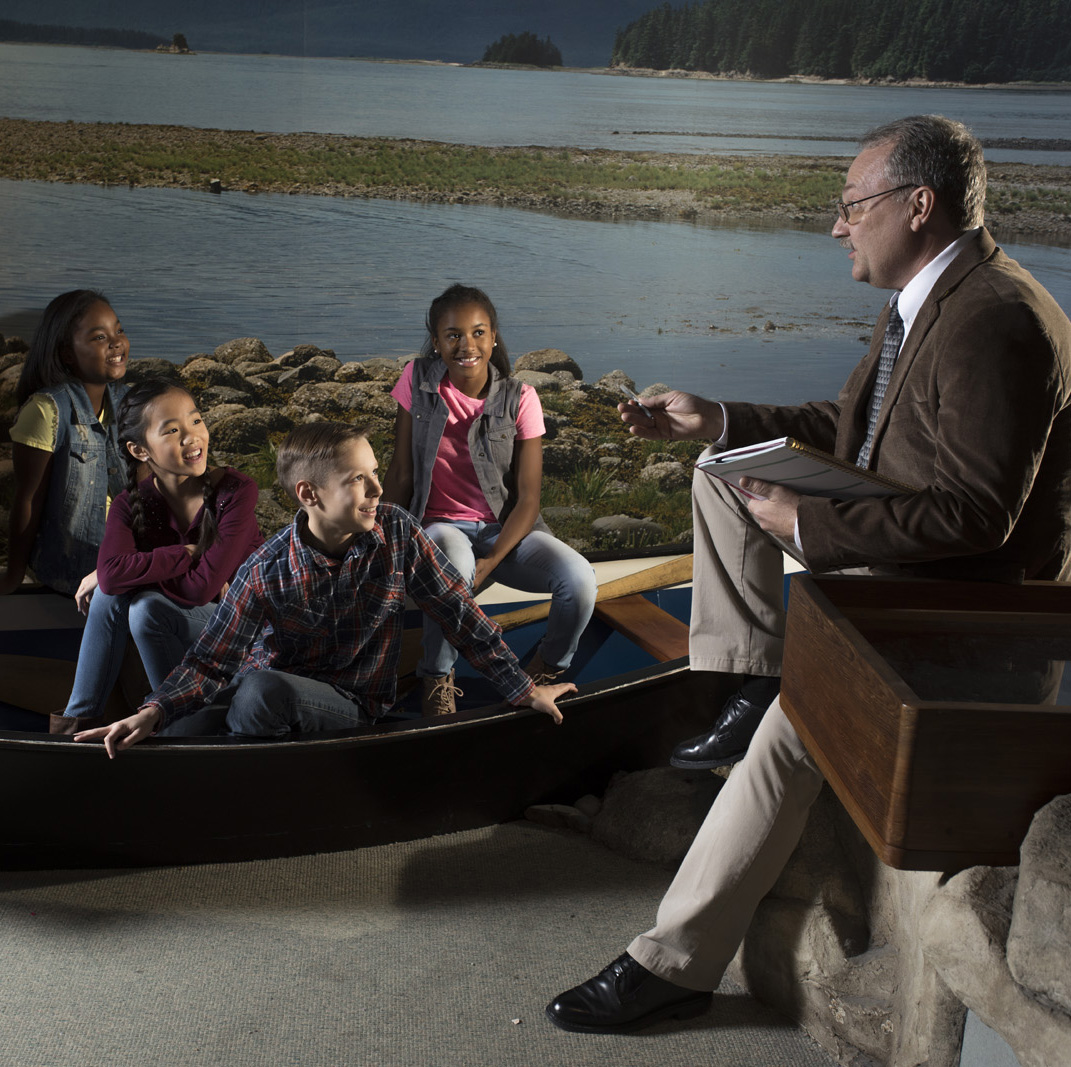
Teacher with students in the museum

Filed Under: Bring the Museum to your Classroom, Resources for Teachers

November 30, 2016 by

Learning Collection

Learning Collection

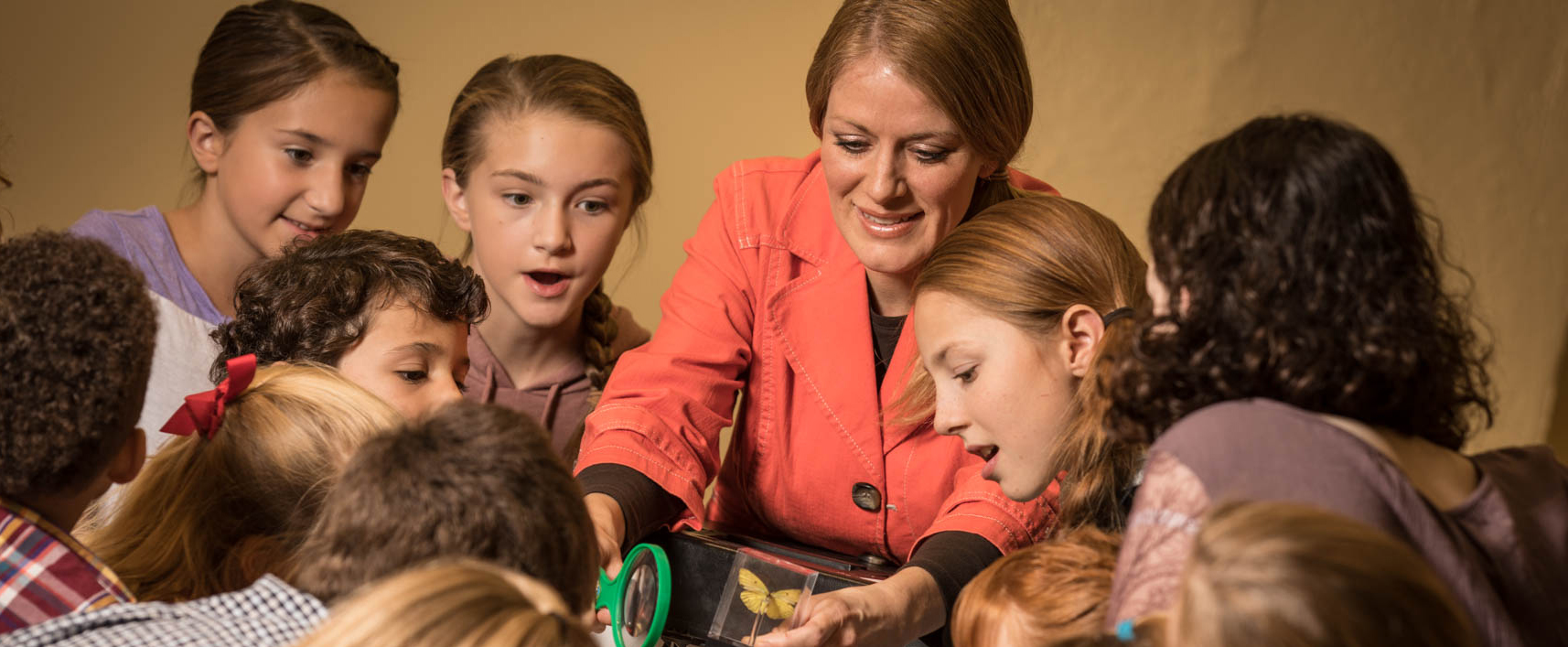
Children interacting with a loan kit

Bring the museum to your classroom with Science Kits from Carnegie Museum


Use Carnegie Museum of Natural History’s collections to bring your lesson plan to life! Our Learning Collection loan program inspires hands-on, interactive classroom learning by putting objects and specimens from our world-class collections into students’ hands.

Students can learn about volcanoes by examining samples of pumice and basalt or make observations about camouflage by comparing bird egg color patterns. Teachers and professors can borrow more than 150 different science kits that contain real specimens, fossils, ancient artifacts, and more. Science kits can be worked into lesson plans about minerals, geography, geology, zoology, and ancient and native American cultures for a wide array of grade levels.

Available Science Kits

Dinosaurs

Three toolboxes contain a dinosaur skull cast, scale models, touchable fossils, and lessons. Borrowing these materials is a great way to prepare for a class visit to Dinosaurs in Their Time.

Rocks, Minerals, Fossils

Rock types, mineral properties, the process of fossilization, whether students are exploring these topics for the first time or reviewing information learned earlier, hand-sized samples are valuable teaching aids.

Skulls and Skeletons

Skulls and skeletons are packed with information about the creature they once supported. Development of our ability to read these bone messages begins with the close examination of skulls and skeletons.  

Birds, Mammals, and other wildlife

Life-like is a proper description for these three-dimensional representations of birds, mammals, reptiles, amphibians, and fish. Their potential to promote learning is limitless. Check the full list of materials for tips and suggestions.    

Biomes and Threatened Species

For three topics, Deserts, Tropical Forests, and Arctic Tundra, separate but related materials are borrowed as a set. A similar unit includes seven examples of Pennsylvania’s threatened wildlife species.

Insects and other invertebrates

Arthropod is the broad term for this category, but preserved insects outnumber all other items. Most materials are Riker Mounts – preserved butterflies, beetles, or other insects displayed on polyester batting under a glass cover.

Ancient and Modern Cultures

Use artifacts to study living cultures presented in Alcoa Foundation Hall of American Indians and the mysterious people depicted in Walton Hall of Ancient Egypt. Artifact sets representing some African Peoples are also available.

Ocean Life

Sea shells, coral, sea stars, and sponge now rest in sturdy plastic toolboxes rather than the saltwater and sand. Boxes devoted to whales, sea turtles, and sharks provide additional items and information.

Plants

Large collections of pressed and dried plants are known as herbariums. Students can become familiar with such natural history resources by examining authentic herbarium sheets for common trees, spring wildflowers, and poisonous plants.

How it works

Educators can opt for one-time loans or register for an annual loan subscription that gives teachers access to the entire collection of natural science kits and artifacts.

Teachers or parent volunteers can pick up and return kits near the portal entrance of the museum between 7 a.m. and 6 p.m. daily. All kits must be reserved one week in advance.

Scholarships to cover registration fees may be available. Eligibility for these funds is determined by financial need. Contact Outreach@CarnegieMNH.org for information and to apply.

Cost

One time loan - $50
No limit is set on the number of items that may be requested. One-time loans average eight items.

Annual membership - $150-200
For facilities with enrollment of less than 400, the annual registration fee is $150. For facilities with enrollment over 400, the annual registration fee is $200. Registration grants unlimited borrowing privileges to all faculty members for a full 12-month period.

To register call 412-578-2553 or email Outreach@CarnegieMNH.org.

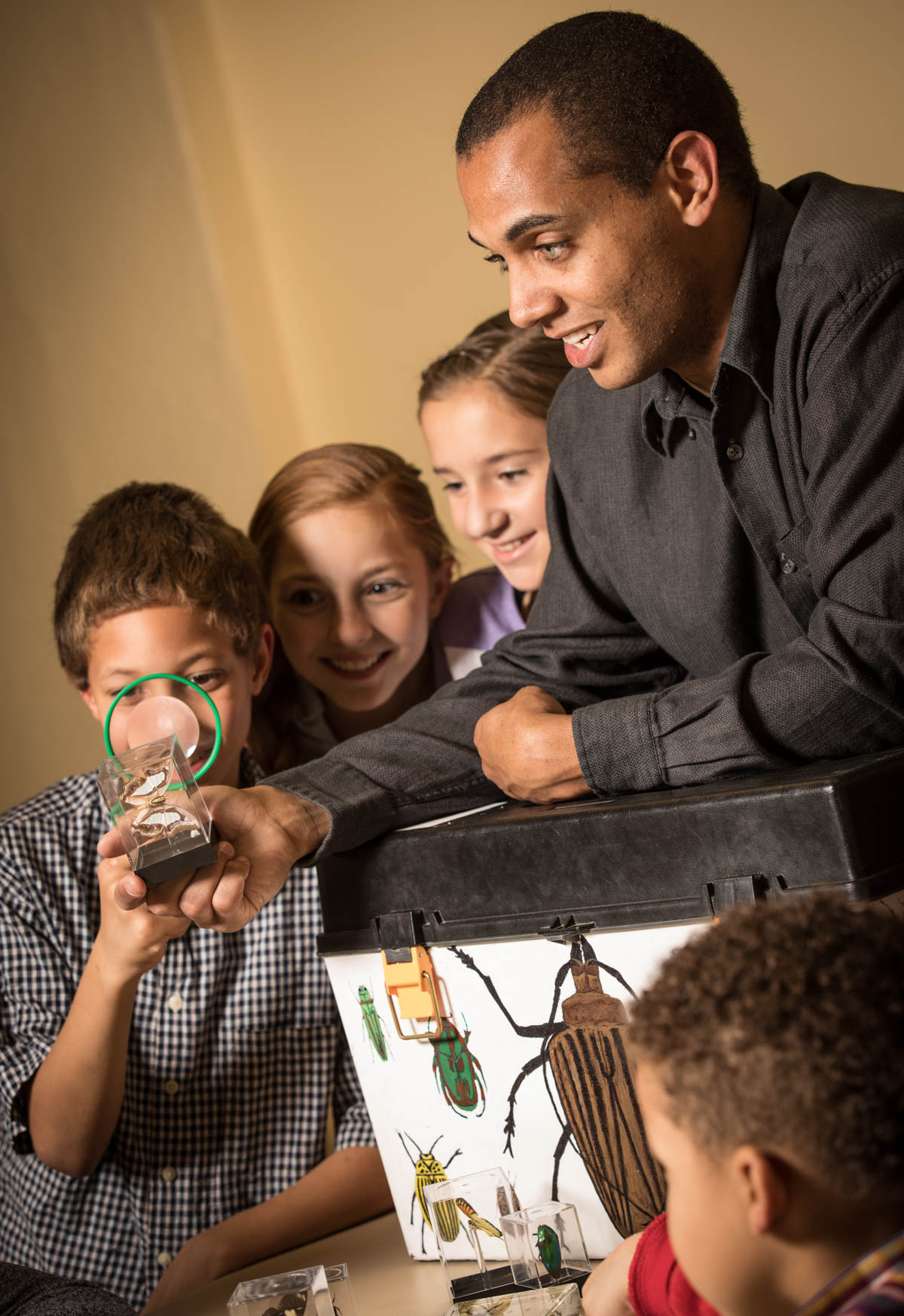
students with a teacher looking at bugs from a loan kit

Filed Under: Bring the Museum to your Classroom, Resources for Teachers

  • « Go to Previous Page
  • Page 1
  • Interim pages omitted …
  • Page 7
  • Page 8
  • Page 9

sidebar

About

  • Mission & Commitments
  • Directors Team
  • Museum History

Get Involved

  • Volunteer
  • Membership
  • Carnegie Discoverers
  • Donate
  • Employment
  • Events

Bring a Group

  • Groups of 10 or More
  • Birthday Parties at the Museum
  • Field Trips

Powdermill

  • Powdermill Nature Reserve
  • Powdermill Field Trips
  • Powdermill Staff
  • Research at Powdermill

More Information

  • Image Permission Requests
  • Science Stories
  • Accessibility
  • Shopping Cart
  • Contact
  • Visitor Policies
One of the Four Carnegie Museums | © Carnegie Institute | Privacy Policy | Terms of Use | Accessibility
Rad works here logo