Carnegie Museum of Natural History’s Director Eric Dorfman is leading an international call for natural history museums to do their part to stop the global crisis of wildlife trafficking.
Wildlife trafficking is one of the top international illegal trade practices surpassed only by narcotics, counterfeiting, and human trafficking. It has been recognized as a growing source of funding for terrorist’s groups, and has resulted in increased poaching activities as well as thefts from museums and zoos.
“Illicit wildlife trafficking poses ethical and logistical problems for natural history museums today,” Dr. Dorfman said. “However, we can work together to be a force in counteracting this crisis.”
Dr. Dorfman spoke on the subject at the World Association of Zoos and Aquariums conference in Puebla, Mexico on October 10. This coincided with the International Council of Museums releasing a white paper, Natural History Museums and Wildlife Trafficking: A Framework for Global Action, on October 4 which outlines steps that natural history museums can take to curb trafficking.
The paper was published by the International Council of Museums Committee for Museums and Collections of Natural History Wildlife Trafficking Working Group, which Dorfman chairs. It outlines how natural history museums are uniquely positioned to stop wildlife trafficking through communication, partnerships, improved documentation and identification, and public awareness.
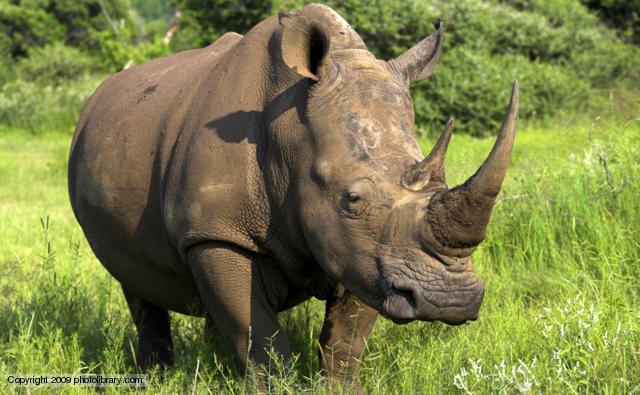
Experts estimate that wildlife trafficking is estimated to be worth at least $19 billion each year. The demand for wildlife items has greatly damaged and depleted natural resources in affected areas. The black market is turning more regularly to museum collections. A rhinoceros horn, valued at €500,000, was stolen from the National Museum Archive at Balheary Road in Swords County Dublin in April 2013, and 17 rare monkeys were stolen from the Beauval Zoo in France last year.
Dr. Dorfman has been the president of the ICOM Committee for Museums and Collections of Natural History (ICOM NATHIST) since 2013. He is a member of the ICOM Ethics Committee, and in 2013 published the ICOM Code of Ethics for Natural History Museums. He is also a registered ICOM mediator and is a member of ICOM’s Museum Definition Working Group. His PhD, from The University of Sydney, concerned scale-dependent resource use of cormorants in central and eastern Australia. Before this, he worked on the behavioral ecology porpoise in Monterey Bay, California. Dorfman publishes on natural history, museum operations, public programming, and the ecology of wetland birds. He is currently editing a book entitled The Future of Natural History Museums, due for publication in 2017.
