• Skip to primary navigation
  • Skip to main content
  • Skip to primary sidebar

Carnegie Museum of Natural History

One of the Four Carnegie Museums of Pittsburgh

  • Visit
    • Buy Tickets
    • Visitor Information
    • Exhibitions
    • Events
    • Dining at the Museum
    • Celebrate at the Museum
    • Powdermill Nature Reserve
    • Event Venue Rental
    • Gift Cards
  • Learn
    • Field Trips
    • Educator Information
    • Programs at the Museum
    • Bring the Museum to You
    • Guided Programs FAQ
    • Programs Online
    • Climate and Rural Systems Partnership
  • Research
    • Scientific Sections
    • Science Stories
    • Science Videos
    • Senior Science & Research Staff
    • Museum Library
    • Science Seminars
    • Scientific Publications
    • Specimen and Artifact Identification
  • About
    • Mission & Commitments
    • Directors Team
    • Museum History
  • Tickets
  • Give
  • Shop

August 2, 2016

For more information, contact:
Kathleen Bodenlos
Carnegie Museum of Natural History
412.622.3361 (office)
BodenlosK@carnegiemnh.org

Grant Positions Powdermill Nature Reserve to Become Appalachian Research Hub

Technology and research funded by Richard King Mellon Foundation

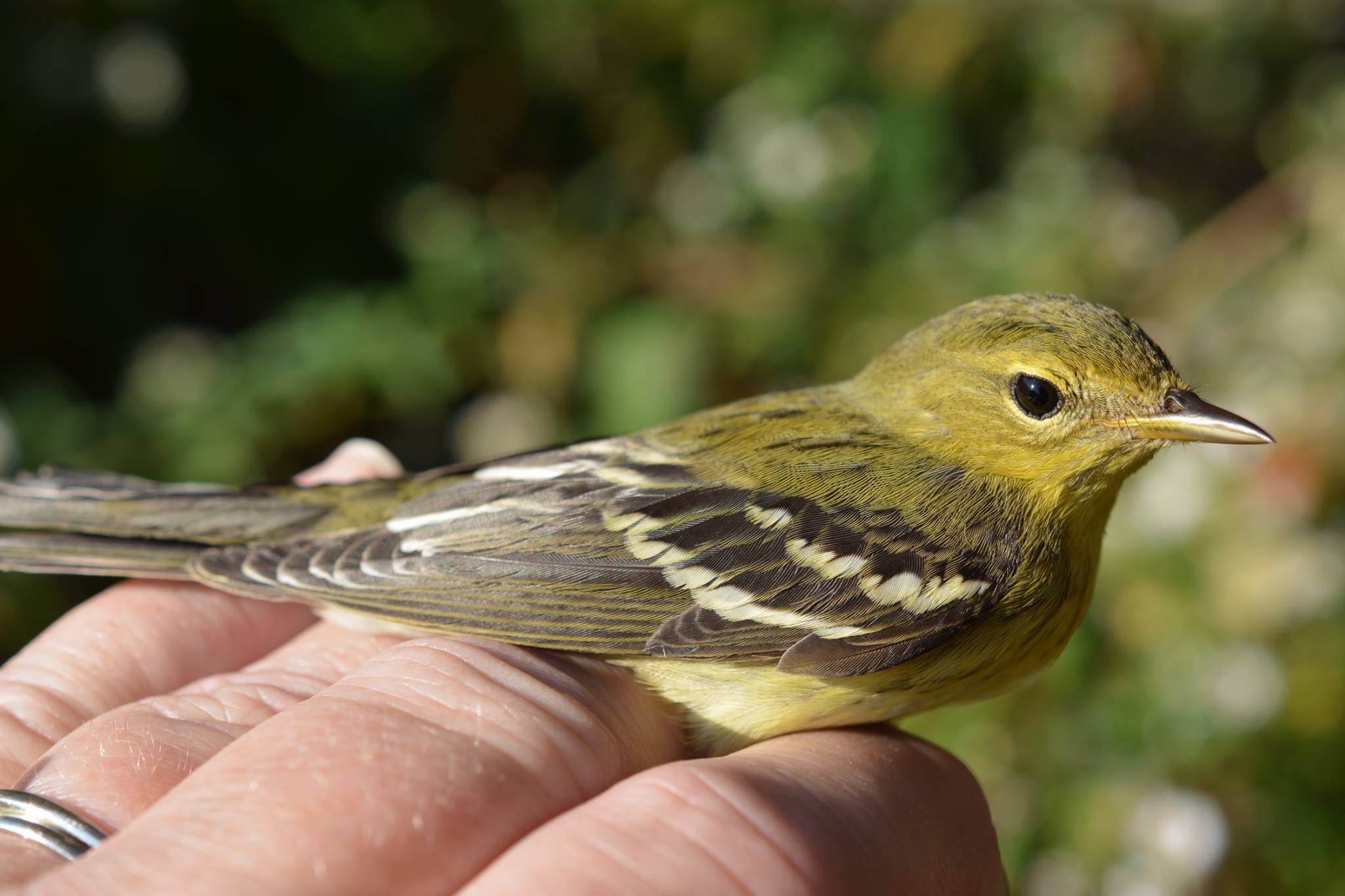
yellow and brown song bird

Carnegie Museum of Natural History received a grant of $700,000 from the Richard King Mellon foundation for its environmental research center Powdermill Nature Reserve.

The grant will expand Powdermill’s capacity as a center for research and education focused on the Appalachian ecosystem. The funding will provide two years of support for a series of research projects that will incorporate emerging technologies as tools for research and enhance the profile of Powdermill as the premier ecological research center in the region.

“This grant will help our center become a nationally important biological field station that chronicles the Appalachian ecosystem using new technology and programs to better understand terrestrial and aquatic species,” Powdermill Director John Wenzel said.

Powdermill staff will utilize cutting edge technology, such as drone imaging and radio frequency nanotags, to study and protect local animal, insect, and plant populations. The focal species groups that will be studied are birds, pollinators, salamanders, and forest trees.

“As this grant strengthens our scientific activities, Powdermill will accordingly improve its educational outreach regarding pressing environmental issues of interest to concerned citizens,” said Wenzel.

Among the projects connecting modern technologies to studies of biodiversity is “nanotag” radio telemetry of migratory birds. Tiny radio beacons are attached to birds and track their migration as they fly by special sensory towers. The towers log the tagged birds in a central database, allowing scientists to track birds from South America to Canada without recapturing the bird. According to Wenzel, only about one in a thousand of Powdermill’s traditionally banded birds will be recaptured.

“The others are essentially lost from scientific study,” Wenzel said. “This new technology will greatly increase the effectiveness of Powdermill’s work, and we now provide a critical link in the network of sensor stations between South America and Canada.”

Carnegie Museum of Natural History established Powdermill in 1956 in Rector, Pennsylvania to serve as a field station for long-term studies of natural populations—their life histories, behaviors, and ecological relationships. Staff is currently studying resident and migratory birds, the distribution and abundance of amphibians and reptiles, plant ecology and pollinators.

Carnegie Museum of Natural History, one of the four Carnegie Museums of Pittsburgh, is among the top six natural history museums in the country. It maintains, preserves, and interprets an extraordinary collection of millions of objects and scientific specimens used to broaden understanding of evolution, conservation, and biodiversity. Carnegie Museum of Natural History generates new scientific knowledge, advances science literacy, and inspires visitors of all ages to become passionate about science, nature, and world cultures. More information is available by calling 412.622.3131 or by visiting the website, www.carnegiemnh.org.

sidebar

About

  • Mission & Commitments
  • Directors Team
  • Museum History

Get Involved

  • Volunteer
  • Membership
  • Carnegie Discoverers
  • Donate
  • Employment
  • Events

Bring a Group

  • Groups of 10 or More
  • Birthday Parties at the Museum
  • Field Trips

Powdermill

  • Powdermill Nature Reserve
  • Powdermill Field Trips
  • Powdermill Staff
  • Research at Powdermill

More Information

  • Image Permission Requests
  • Science Stories
  • Accessibility
  • Shopping Cart
  • Contact
  • Visitor Policies
Stay in the loop! Sign up for our newsletter(s).
One of the Four Carnegie Museums | © Carnegie Institute | Privacy Policy | Terms of Use | Accessibility
Rad works here logo