• Skip to primary navigation
  • Skip to main content
  • Skip to primary sidebar

Carnegie Museum of Natural History

One of the Four Carnegie Museums of Pittsburgh

  • Visit
    • Buy Tickets
    • Visitor Information
    • Exhibitions
    • Events
    • Dining at the Museum
    • Celebrate at the Museum
    • Powdermill Nature Reserve
    • Event Venue Rental
    • Gift Cards
  • Learn
    • Field Trips
    • Educator Information
    • Programs at the Museum
    • Bring the Museum to You
    • Guided Programs FAQ
    • Programs Online
    • Climate and Rural Systems Partnership
  • Research
    • Scientific Sections
    • Science Stories
    • Science Videos
    • Senior Science & Research Staff
    • Museum Library
    • Science Seminars
    • Scientific Publications
    • Specimen and Artifact Identification
  • About
    • Mission & Commitments
    • Directors Team
    • Museum History
  • Tickets
  • Give
  • Shop

Press Releases

For questions about press releases or for interview requests, please contact Erin Southerland or SoutherlandE@CarnegieMNH.org.

For image permission, please use our online form.

Request a Media Pass


January 11, 2022

For more information, contact:
Sloan MacRae
Carnegie Museum of Natural History
412.353.4678
MacRaeS@CarnegieMNH.org

NEW FOSSIL SPECIES NAMED FOR CARNEGIE MUSEUM OF NATURAL HISTORY PALEONTOLOGIST

Shashajaia bermani honors David S Berman, Curator Emeritus of Vertebrate Paleontology

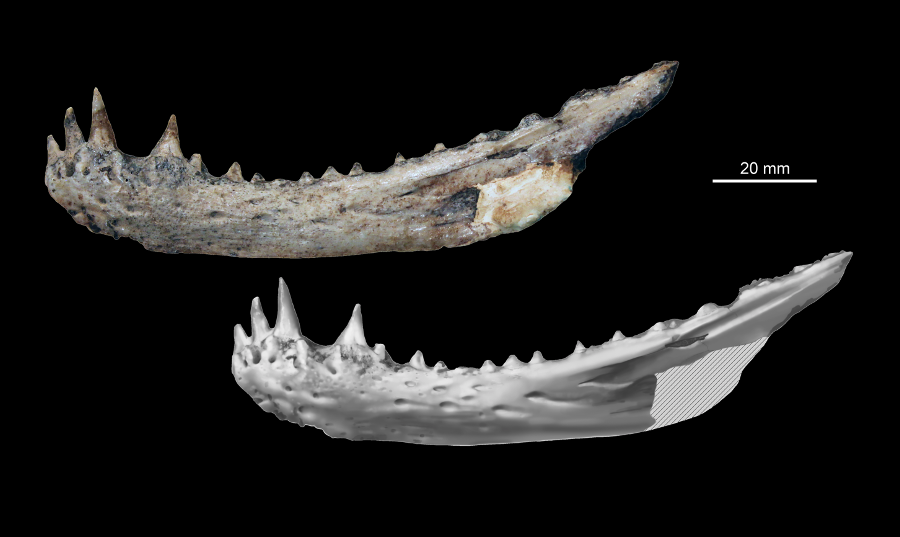
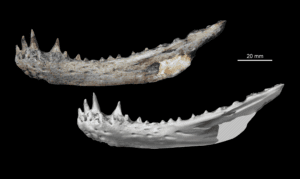
Shashajaia bermani fossil jaw, photograph (above) and interpretive drawing (below).

An international team of researchers announced a new fossil species of an early mammal relative named for paleontologist Dr. David S Berman, who served as curator of Vertebrate Paleontology at Carnegie Museum of Natural History (CMNH) for 44 years. Berman, now Curator Emeritus of Vertebrate Paleontology, retired in 2014. The fossil, Shashajaia bermani, is from a bonebed co-discovered by Berman in 1989 in what is now southeastern Utah’s Bears Ears National Monument. Berman’s decades of research in southeastern Utah helped demonstrate the need for the creation of the monument in 2016. A paper on the new fossil species was recently published in Royal Society Open Science. 
 
The name Shashajaia bermani means “Berman’s bear heart.” The genus name Shashajaia is derived from the Navajo shash (bear) and ajai (heart). 
 
“As a pending honor it was a well-kept secret that took me by complete surprise when officially revealed,” said Berman. “From my own perspective, such recognitions are only seldom acknowledged by closest colleagues and collaborators in a leading academic journal for all to see. My sincerest thanks to all who considered my career worthy of this honor, although I must confess that I had the benefit of many talented and tireless collaborators; thanks again to them.”

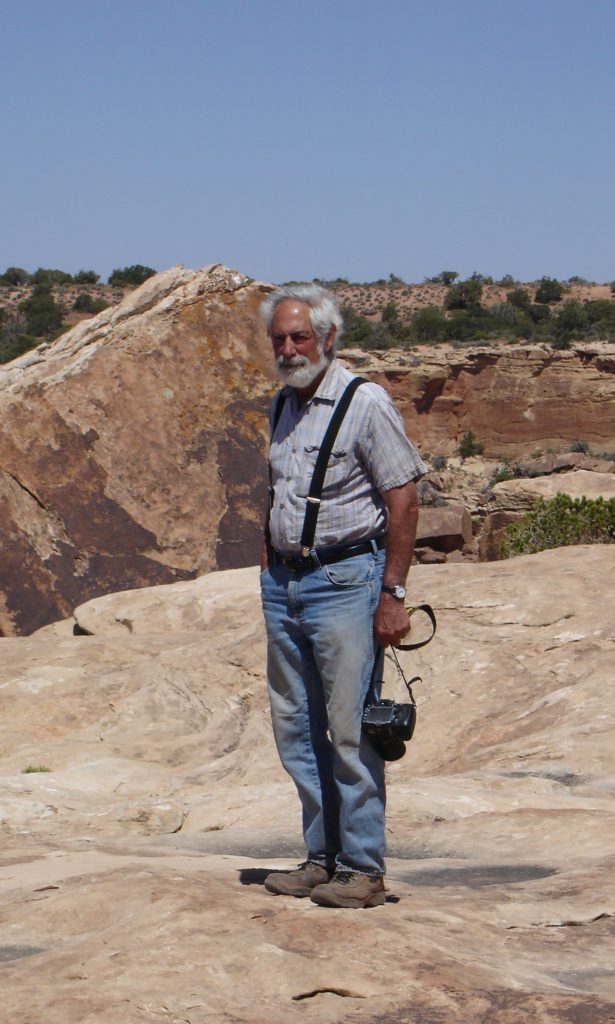
Dr. David S Berman in Bears Ears National Monument, Utah, 2012.

“Dave’s passion for fossil hunting has inspired generations of paleontologists working in the southwestern U.S.,” said Adam Huttenlocker, lead author on the paper, “and I’m grateful for his mentorship and collegial support over the years.”
 
The new species of synapsid (a group of vertebrates that include mammals and their ancestors) is based on partial jaws with teeth that indicate the species is one of the oldest and most anatomically primitive members of the group Sphenacodontoidea. The group includes the mammal-like reptiles known as therapsids and the sail-backed Dimetrodon.
 
The research team used 2D morphometrics to quantitatively analyze tooth size and shape, inferring tooth function and diet of mammal ancestors. The Shashajaia bermani jaw fossils show that the most recent common ancestor of Dimetrodon and therapsids evolved large, canine-like teeth by the Late Carboniferous (approximately 300 million years ago). The tooth and jaw structures indicate Shashajaia bermani ambushed prey smaller than itself that it could catch and swallow with minimal struggle.
 
“Dave Berman has been at times my supervisor, my mentor, a colleague, and a friend during my 42-year career in the Section of Vertebrate Paleontology at Carnegie Museum of Natural History,” said Amy Henrici, Collection Manager of Vertebrate Paleontology. “I am thrilled to be part of the team honoring him with this unique fossil from Bears Ears National Monument, Utah, where Dave cut his teeth in paleontology as a graduate student in the late 1960s.” 
 
Berman’s work with his PhD advisor Peter Vaughn in this region dates back to 1963 and helped to demonstrate the paleontological value of creating Bears Ears National Monument. Their research contributed to the following language in the 2016 Monument Proclamation 9558 under President Obama: “…research conducted in the Bears Ears area is revealing new insights into the transition of vertebrate life from reptiles to mammals and from sea to land. Numerous ray-finned fish fossils from the Permian Period have been discovered, along with other late Paleozoic Era fossils, including giant amphibians, synapsid reptiles, and important plant fossils.”
 
The research team that discovered and described Shashajaia bermani includes Adam Huttenlocker of the Department of Integrative Anatomical Sciences at the University of Southern California and the Section of Vertebrate Paleontology at Carnegie Museum of Natural History, Suresh Singh of the School of Earth Sciences at the University of Bristol, Amy Henrici of the Section of Vertebrate Paleontology at Carnegie Museum of Natural History, and Stuart Sumida of the Department of Biology at California State University and the Section of Vertebrate Paleontology at Carnegie Museum of Natural History.
 
“Our group wanted to acknowledge Dave’s seminal work both on animals from this group, as well as on animals from around the world of similar age,” said Sumida. “Perhaps as important as any of it, the makeup of the team that honored Dave demonstrates his influence on multiple generations of paleontologists.”

Carnegie Museum of Natural History, one of the four Carnegie Museums of Pittsburgh, is among the top natural history museums in the country. It maintains, preserves, and interprets an extraordinary collection of millions of objects and scientific specimens used to broaden understanding of evolution, conservation, and biodiversity. Carnegie Museum of Natural History generates new scientific knowledge, advances science literacy, and inspires visitors of all ages to become passionate about science, nature, and world cultures. More information is available by calling 412.622.3131 or by visiting the website, www.carnegiemnh.org.

June 12, 2024

Dippy 125 banner

Celebrate 125 Years Since the Discovery of Dippy with Carnegie Museum of Natural History

Museum to host events throughout July 2024 in honor of the discovery of the first Diplodocus carnegii fossils in July 1899.

March 5, 2024

portrait of Kathy Hollis

Carnegie Museum of Natural History Announces Kathy Hollis as Inaugural Director of Collections Care and Access

Hollis joins Carnegie from the Smithsonian National Museum of Natural History

February 28, 2024
person cleaning an ancient Egyptian artifact

Carnegie Museum of Natural History presents The Stories We Keep: Conserving Objects from Ancient Egypt

February 21, 2024
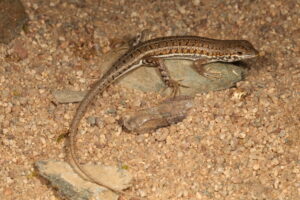
skink on a rock

Carnegie Museum of Natural History Researchers Describe Seven New Species of African Skinks

New Species Names Honor Naturalists David Attenborough, Edward O. Wilson, and People of Angola

February 20, 2024
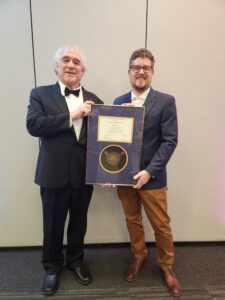
two people posing for the camera holding a framed award

Robert T. Downs Wins 2023 Carnegie Mineralogical Award

Downs helped create one of the most widely used open-access mineral databases in the world

November 9, 2023
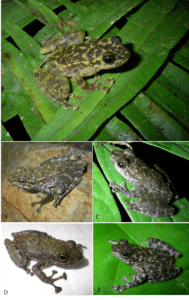
collage of five photos of different frogs

Museum Researchers Describe Five New Amphibian and Reptile Species in 2023

Four new frogs discovered in Southeast Asia and one new skink discovered in Angola contribute to a better understanding of biodiversity and ecosystem health.

September 28, 2023
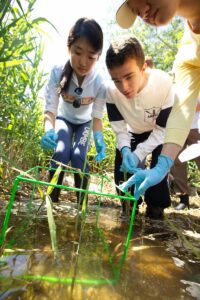
people looking a biocube outdoors

CARNEGIE MUSEUM OF NATURAL HISTORY PRESENTS LIFE IN ONE CUBIC FOOT

Smithsonian Traveling Exhibition Invites Visitors to Explore the Diversity of Life on Earth and in Their Own Backyards from October 14, 2023 - January 7, 2024

July 11, 2023
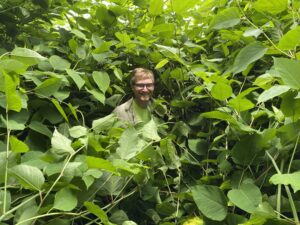
Mason Heberling standing in knotweed plants that are taller than him.

Carnegie Museum of Natural History Awarded $225K Grant from Richard King Mellon Foundation to Lead Campaign Against Spread of Invasive Plant Species

Museum to Spearhead Collaborative Education and Outreach Campaign Among Audubon Society of Western Pennsylvania, Phipps Conservatory and Botanical Gardens, Pittsburgh Botanic Garden, and Other Institutions

June 5, 2023
Chirp, Chitter, Caw: Surrounded by Birdsong

CARNEGIE MUSEUM OF NATURAL HISTORY PRESENTS SUMMER EXHIBITION CHIRP, CHITTER, CAW: SURROUNDED BY BIRD SONG

Featuring Soundtracks of Birdsong Created by The World According to Sound

April 10, 2023

Researchers Call for New Conservation Paradigm that Embraces Positive Contributions of Land Stewardship

Study Emphasizes Carnegie Museum of Natural History’s “We Are Nature” Commitment to Recognize Humans as Inextricable Part of Nature

April 5, 2023

Fossils Provide New Clues About Herbivore Evolution

April 3, 2023

CARNEGIE MUSEUM OF NATURAL HISTORY TO OPEN “JANE’S ENDANGERED ANIMAL EXPERIENCE” APRIL 16, 2023

February 16, 2023

William B. “Skip” Simmons, Jr. Wins 2022 Carnegie Mineralogical Award

Simmons Honored for Career as Pegmatology Expert and Dedicated Educator

January 24, 2023
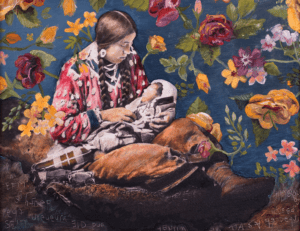
CARNEGIE MUSEUM OF NATURAL HISTORY PRESENTS APSÁALOOKE WOMEN AND WARRIORS FEBRUARY 4 - MAY 29, 2023

Exhibition from The Field Museum Celebrates Bravery and Artistry of the Matriarchal Apsáalooke People of the Northern Plains
December 7, 2022

Climate Change Threatens North American Wildflowers

November 1, 2022

We Are Nature Podcast

Carnegie Museum of Natural History Launches New "We Are Nature" Podcast Series, Exploring Natural Histories and Livable Futures

July 20, 2022

Scientists Call for New Research Studying the Combined Effects of Climate Change and Urbanization on Body Size Across Species

Future Study Deemed “Imperative for Biodiversity Preservation”
June 8, 2022

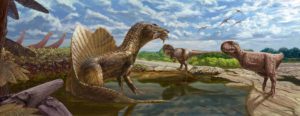
Bizarre Meat-Eating Dinosaur Joins “Rogues’ Gallery” of Giant Predators from Classic Fossil Site in Egypt’s Sahara Desert

May 10, 2022

Carnegie Museum of Natural History Presents Nature’s Amazing Machines, Exploring the Engineering Feats of the Natural World

A “Nuts-and-Bolts” Look at Nature at the Museum May 28, 2022 – January 2, 2023; Presented in English and Spanish

April 6, 2022

Early Placental Mammal Evolution Prioritized Brawn over Brains

Study in Prestigious Journal Science Sheds Light on the Mammalian Brain in Post-Dinosaur World

March 9, 2022
Pittsburgh Launches Spring 2022 Lights Out Program to Protect Migratory Birds

Business and conservation organizations unite to turn off lights during peak times in spring migration period

February 15, 2022
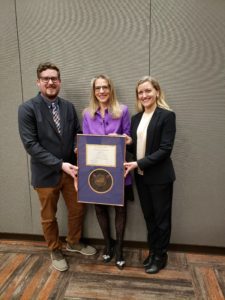
Dr. Barbara Lee receiving 2021 Carnegie Mineralogical Award

DR. BARBARA LEE DUTROW WINS THE 2021 CARNEGIE MINERALOGICAL AWARD

Champion of Diversity and Women in Mineralogy

February 1, 2022
STUDY CALLS FOR “EXCITING NEW ERA” OF INCREASED USE OF PLANT SPECIMENS AS TRAIT DATA SOURCES

Carnegie Museum of Natural History Botanist Mason Heberling Makes Case for Digitized Herbaria in Prestigious Coulter Review
January 11, 2022

NEW FOSSIL SPECIES NAMED FOR CARNEGIE MUSEUM OF NATURAL HISTORY PALEONTOLOGIST

December 7, 2021

Yellow oldsite blades with blue stanleyite and white szomolnokite on asphaltum.

New Mineral Named For Carnegie Museum of Natural History Scientist

Uranium Mineral "Oldsite" Honors Travis Olds, Assistant Curator of Minerals

September 14, 2021
Man in a river holding a Giant Eurasian Trout

Carnegie Museum of Natural History to Host National Geographic Society's Monster Fish Exhibition

August 9, 2021
Annie with 800000th bird, cedar waxwing

Powdermill Nature Reserve Records 800,000th Bird Banding

Milestone Bird Is a Cedar Waxwing (Bombycilla cedrorum)

June 22, 2021
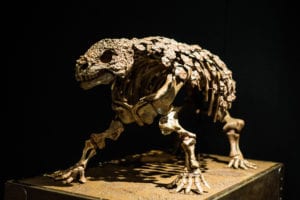
Scutosaurus replica skeleton

CARNEGIE MUSEUM OF NATURAL HISTORY EXTENDS DINOSAUR ARMOR BY POPULAR DEMAND

World Premiere Exhibition to Run Four Additional Weeks through July 31, 2021
May 20, 2021

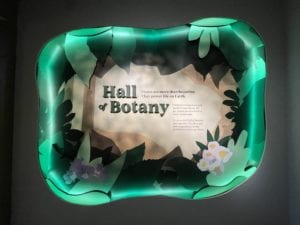
hall of botany entry wall

Carnegie Museum of Natural History to Unveil Hall of Botany Renovations May 22

March 30, 2021

specimen of a skink with label attached

RESEARCHERS ANNOUNCE “RESURRECTION” OF SKINK SPECIES

March 2, 2021

two replica skeletons of ancient sea creatures hanging from the ceiling

Carnegie Museum of Natural History Adds Five New Specimens to Cretaceous Seaway Display
February 15, 2021

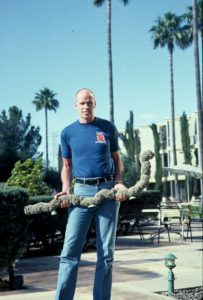
man holding a large stalactitic pyrite mineral outside

Dr. John C. Medici Wins the 2020 Carnegie Mineralogical Award

February 9, 2021

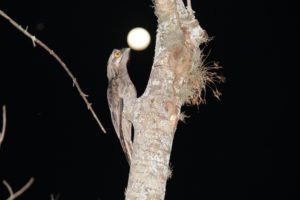
bird perched on a branch at night

Surprising Study Reveals that Common Potoo Bird Is Migratory

Citizen Scientist Researchers from Southern Hemisphere Make Impact
February 2, 2021

Free and Open Sharing of Biodiversity Data Promises New Era of Research

January 27, 2021

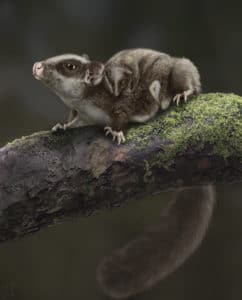
Vilevolodon

Researchers Announce Surprising Clue in the Evolution of Mammalian Middle Ear

January 13, 2021

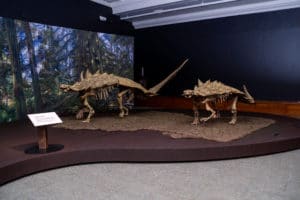
two dinosaurs on exhibit

Carnegie Museum of Natural History Announces New Lineup of Virtual Experiences

January 11, 2021

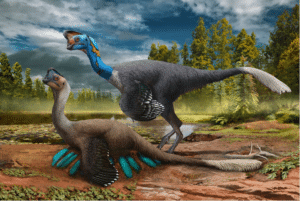
color illustration of Oviraptorid dinosaurs protecting a nest

Researchers Announce World’s First Dinosaur Preserved Sitting on Nest of Eggs with Fossilized Babies

January 6, 2021

Gretchen Baker Named Director of Carnegie Museum of Natural History

December 8, 2020

Sarah Crawford

CARNEGIE MUSEUM OF NATURAL HISTORY ANNOUNCES NEW EXHIBITIONS DIRECTOR

Sarah Crawford brings exhibition experience from the Natural History Museum of Los Angeles County, Field Museum, and San Diego Museum of Us

November 17, 2020
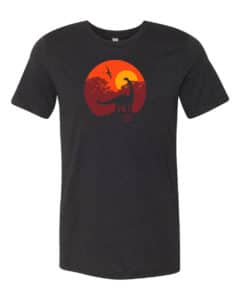
Carnegie Museum of Natural History Partners with Commonwealth Press and Pfaltzgraphic to Launch New Merchandise

T-shirts and hoodies feature original designs of museum fan favorites, including dinosaur mascot “Dippy” and TikTok Star Tim Pearce

September 28, 2020
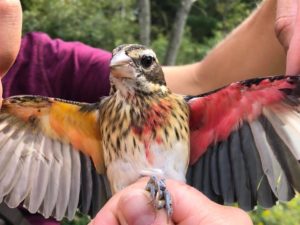
rose-breasted grosbeak gynandromorph

RESEARCHERS AT POWDERMILL NATURE RESERVE OBSERVE RARE GYNANDROMORPH BIRD CONTAINING BOTH MALE AND FEMALE CHARACTERISTICS

Rose-breasted Grosbeak Roughly Male on Right Side and Female on Left Side

July 8, 2020

Powdermill Nature Reserve Receives $1M Avian Research Grant from Richard King Mellon Foundation

Two-year grant supports construction of Carnegie Museum of Natural History’s new Powdermill Avian Research Center, enhanced research programs, and expanded public programming

June 22, 2020
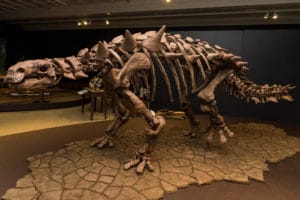
dinosaur featured in dino virtual field trip

Carnegie Museum of Natural History Re-opens with World Premiere Dinosaur Armor

Exhibition coincides with public reopening June 29; Free exclusive member preview June 27 and 28

May 28, 2020
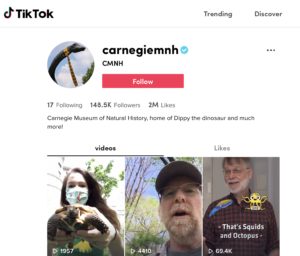
Carnegie Museum of Natural History Partners with TikTok to Create Educational Videos

The museum cultivated a following of over 148,500 and millions of views since January 2020, anchored by mollusk curator's snail jokes

April 29, 2020

GROUND-BREAKING FOSSIL FROM MADAGASCAR HAS PITTSBURGH CONNECTION

CARNEGIE SCIENTIST PROVIDES COMPARATIVE CONTEXT FOR NEW CRETACEOUS MAMMAL

April 27, 2020
butterfly

U.S. FISH & WILDLIFE PROVIDES 1.35-MILLION-DOLLAR GRANT TO CONSORTIUM BUILDING A NETWORK TO TRACK MIGRATING WILDLIFE

Carnegie Museum of Natural History Researcher Sets Covid-19 Bird Banding Protocols
April 21, 2020

bird

EARTH WEEK AT HOME WITH CARNEGIE MUSEUM OF NATURAL HISTORY

April 16, 2020

Mason Heberling writing in a nature notebook

CARNEGIE MUSEUM BOTANIST WINS ECOLOGICAL SOCIETY OF AMERICA GEORGE MERCER AWARD FOR YOUNG SCIENTISTS

Mason Heberling of Carnegie Museum of Natural History and Caitlin McDonough MacKenzie at University of Maine awarded for climate change research

April 2, 2020
Miley the Blue-Tongued Skink

CARNEGIE MUSEUM OF NATURAL HISTORY LAUNCHES AT-HOME SUPER SCIENCE DAYS IN APRIL

Enjoy dinosaur hatching and more egg-cellent activities from home

March 31, 2020
Martensius bromackerensis

NEW GENUS AND SPECIES OF 290-MILLION-YEAR-OLD CASEID DESCRIBED BY CARNEGIE MUSEUM OF NATURAL HISTORY RESEARCHERS AND INTERNATIONAL COLLEAGUES

Superbly preserved skeletons provide evidence that Martensius bromackerensis developed from juvenile insectivore to adult herbivore

sidebar

About

  • Mission & Commitments
  • Directors Team
  • Museum History

Get Involved

  • Volunteer
  • Membership
  • Carnegie Discoverers
  • Donate
  • Employment
  • Events

Bring a Group

  • Groups of 10 or More
  • Birthday Parties at the Museum
  • Field Trips

Powdermill

  • Powdermill Nature Reserve
  • Powdermill Field Trips
  • Powdermill Staff
  • Research at Powdermill

More Information

  • Image Permission Requests
  • Science Stories
  • Accessibility
  • Shopping Cart
  • Contact
  • Visitor Policies
One of the Four Carnegie Museums | © Carnegie Institute | Privacy Policy | Terms of Use | Accessibility
Rad works here logo