• Skip to primary navigation
  • Skip to main content
  • Skip to primary sidebar

Carnegie Museum of Natural History

One of the Four Carnegie Museums of Pittsburgh

  • Visit
    • Buy Tickets
    • Visitor Information
    • Exhibitions
    • Events
    • Dining at the Museum
    • Celebrate at the Museum
    • Powdermill Nature Reserve
    • Event Venue Rental
    • Gift Cards
  • Learn
    • Field Trips
    • Educator Information
    • Programs at the Museum
    • Bring the Museum to You
    • Guided Programs FAQ
    • Programs Online
    • Climate and Rural Systems Partnership
  • Research
    • Scientific Sections
    • Science Stories
    • Science Videos
    • Senior Science & Research Staff
    • Museum Library
    • Science Seminars
    • Scientific Publications
    • Specimen and Artifact Identification
  • About
    • Mission & Commitments
    • Directors Team
    • Museum History
  • Tickets
  • Give
  • Shop

April 26, 2017

For more information, contact:
Kathleen Bodenlos
Carnegie Museum of Natural History
412.622.3361 (office)
BodenlosK@carnegiemnh.org

Powdermill to Host Latin American Graduate Students

International Students will study temperate forest ecology.

Powdermill Nature Reserve
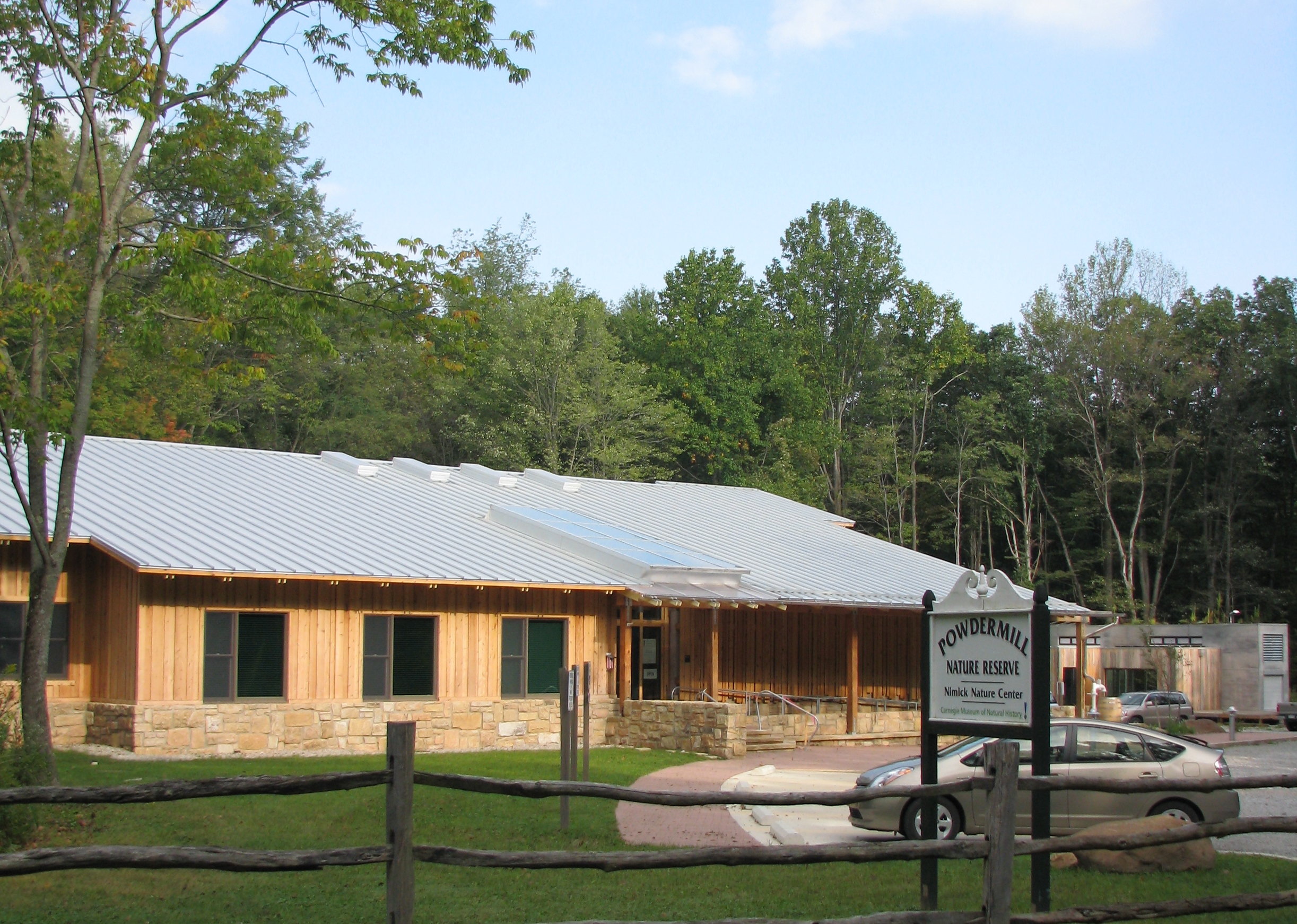
Powdermill Nature Reserve, the environmental research center of Carnegie Museum of Natural History in Rector, Pennsylvania, will host 16 international students this month for a workshop on temperate forest ecology.

Graduate students from the Instituto de Ecologica (INECOL) in Xalapa, Mexico will arrive at Powdermill on April 23, where they will stay and take classes through May 6.

“This is a great opportunity to share our facilities and expertise with international students,” said John Wenzel, director of Powdermill Nature Reserve. “These are incredibly bright students, and we are excited to work with them.”

The 16 graduate students are from Latin American countries including Colombia, Ecuador, Peru, and Mexico. They each have their particular area of interest such as habitat loss, agro-industrial waste management, disturbed ecosystems, and taxonomy and systematics of macrofungi.

Powdermill staff and several university guest professors will teach forest succession, GIS methods in ecology, animal-plant interactions, aquatic monitoring, limnology, amphibian ecology, and data analysis during the workshop.

During their stay at Powdermill, students will visit the National Aviary for a behind-the-scenes tour and Carnegie Museum of Natural History to meet with curatorial staff. They will also travel to Raystown Lake for a hands-on limnology lesson with Juniata College professors.

This workshop was made possible by a grant from the Myles D. Sampson Family Fund of The Community Foundation of Westmoreland County.

Carnegie Museum of Natural History, one of the four Carnegie Museums of Pittsburgh, is among the top natural history museums in the country. It maintains, preserves, and interprets an extraordinary collection of millions of objects and scientific specimens used to broaden understanding of evolution, conservation, and biodiversity. Carnegie Museum of Natural History generates new scientific knowledge, advances science literacy, and inspires visitors of all ages to become passionate about science, nature, and world cultures. More information is available by calling 412.622.3131 or by visiting the website, www.carnegiemnh.org.

sidebar

About

  • Mission & Commitments
  • Directors Team
  • Museum History

Get Involved

  • Volunteer
  • Membership
  • Carnegie Discoverers
  • Donate
  • Employment
  • Events

Bring a Group

  • Groups of 10 or More
  • Birthday Parties at the Museum
  • Field Trips

Powdermill

  • Powdermill Nature Reserve
  • Powdermill Field Trips
  • Powdermill Staff
  • Research at Powdermill

More Information

  • Image Permission Requests
  • Science Stories
  • Accessibility
  • Shopping Cart
  • Contact
  • Visitor Policies
Stay in the loop! Sign up for our newsletter(s).
One of the Four Carnegie Museums | © Carnegie Institute | Privacy Policy | Terms of Use | Accessibility
Rad works here logo