Powdermill Avian Research Center (PARC)
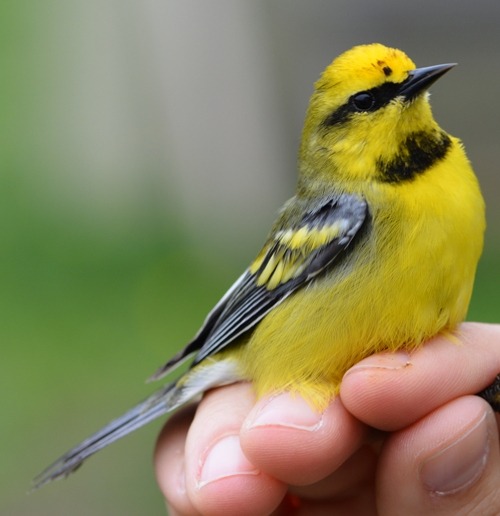 The avian research center at Powdermill Nature Reserve, Carnegie Museum of Natural History’s environmental research center in Rector, Pennsylvania, bands about 10,000 birds each year. Track weekly and annual banding data on the avian research center’s website, and learn more about other research initiatives like flight tunnel analysis and the bioacoustics lab. Information on banding workshops, visits, and the center’s facilities is also available.
Childs Frick Expedition
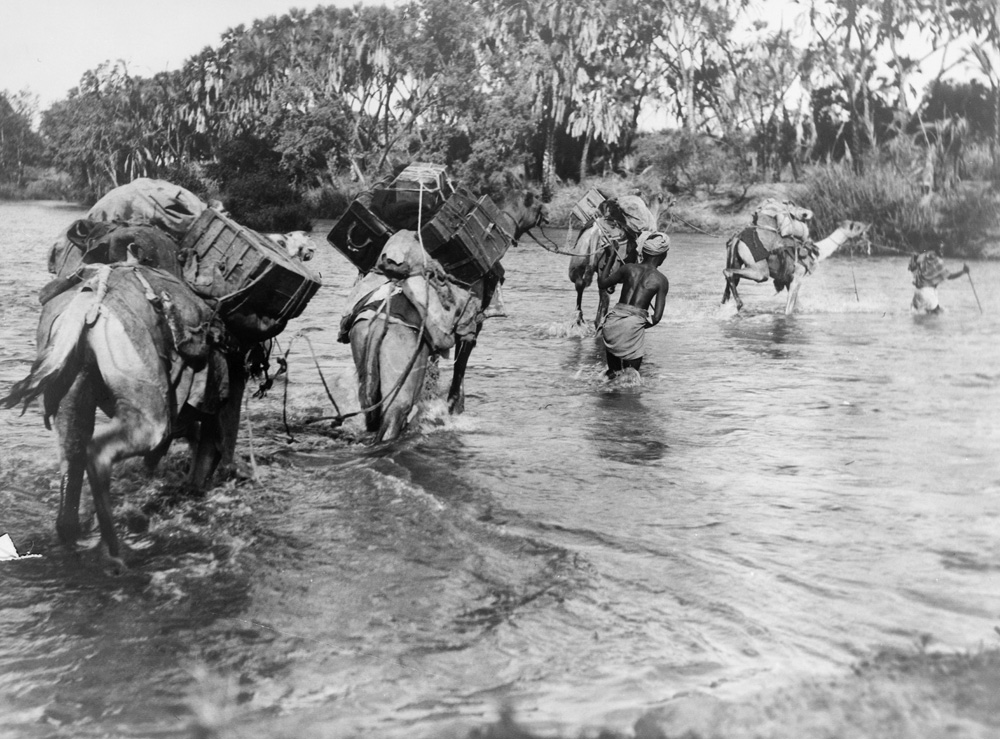 Childs Frick, son of Pittsburgh industrialist Henry Clay Frick, led two expeditions to Africa. The first, in 1909–10, was to British East Africa, where he collected 126 mammals for Carnegie Museum of Natural History. The second in 1911–12, officially the Childs Frick Abyssinian Expedition, also included British East Africa. Over 500 mammals were collected for Carnegie Museum, and some 5,000 birds were collected for the Smithsonian.
Aquatic Macroinvertebrates
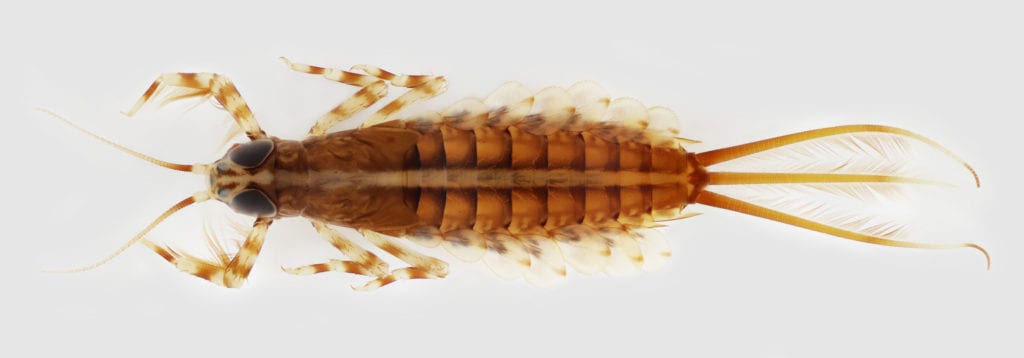
Macroinvertebrates.org serves as a digital reference collection for common aquatic macroinvertebrates of the eastern United States. These organisms are important for monitoring water quality in our rivers and streams. Highly zoomable images of about 150 freshwater taxa are included in the collection. Order, family, and genus level diagnostic characters are indicated on the images to aid in identification. This site was funded by the National Science Foundation and was created in collaboration with Carnegie Mellon University and Clemson University.
Climate and Urban Systems Partnership Pittsburgh
The Pittsburgh CUSP network is a group of Pittsburgh-based informal science institutions, local green and sustainable practice organizations, and groups with affinity for community life, outdoor recreation, or economic viability. The network is coming together to develop an array of activities to spur thoughtful discussions about predicted effects of climate change in the city, strategies for adapting to such change, and the organizations and city systems working together to address these issues.
BirdSafe Pittsburgh

BirdSafe Pittsburgh is a local partnership that engages volunteer citizen scientists in researching the issue of birds colliding with windows. Window collisions are one of the leading causes of human-induced avian mortality, with estimates of up to 1 billion birds dying each year in the United States alone. Volunteers find and document birds that have collided with windows throughout Pittsburgh and monitor their homes in order to learn more about window collisions on residential buildings. Dead birds are brought back to Carnegie Museum of Natural History to become part of the collection. Live birds are safely captured to be rehabilitated and released.
American Indians and the Natural World
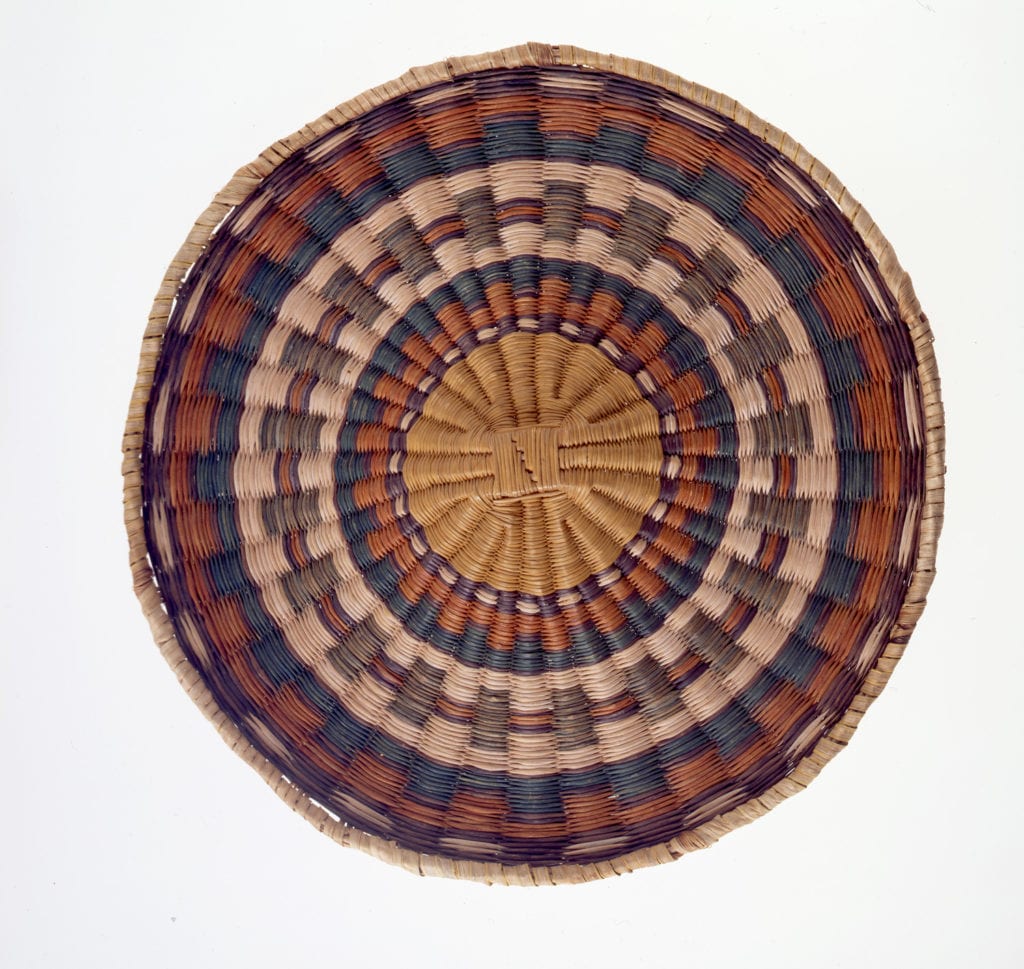 American Indians have an enduring heritage of connections with the natural universe. These connections are the focus of Carnegie Museum of Natural History's Alcoa Foundation Hall of American Indians. Through exploration of four different visions of living in and with the natural world—those of the Tlingit of the Northwest Coast, the Hopi of the Southwest, the Iroquois of the Northeast, and the Lakota of the Plains—North, South, East, West: American Indians and the Natural World examines the belief systems, philosophies, and practical knowledge that guide Indian peoples' interactions with the natural world. Though all of these peoples have chosen different pathways and strategies for making a life in their various environments, one similar concept is voiced by all—that a reciprocal connection exists between people and the world.
